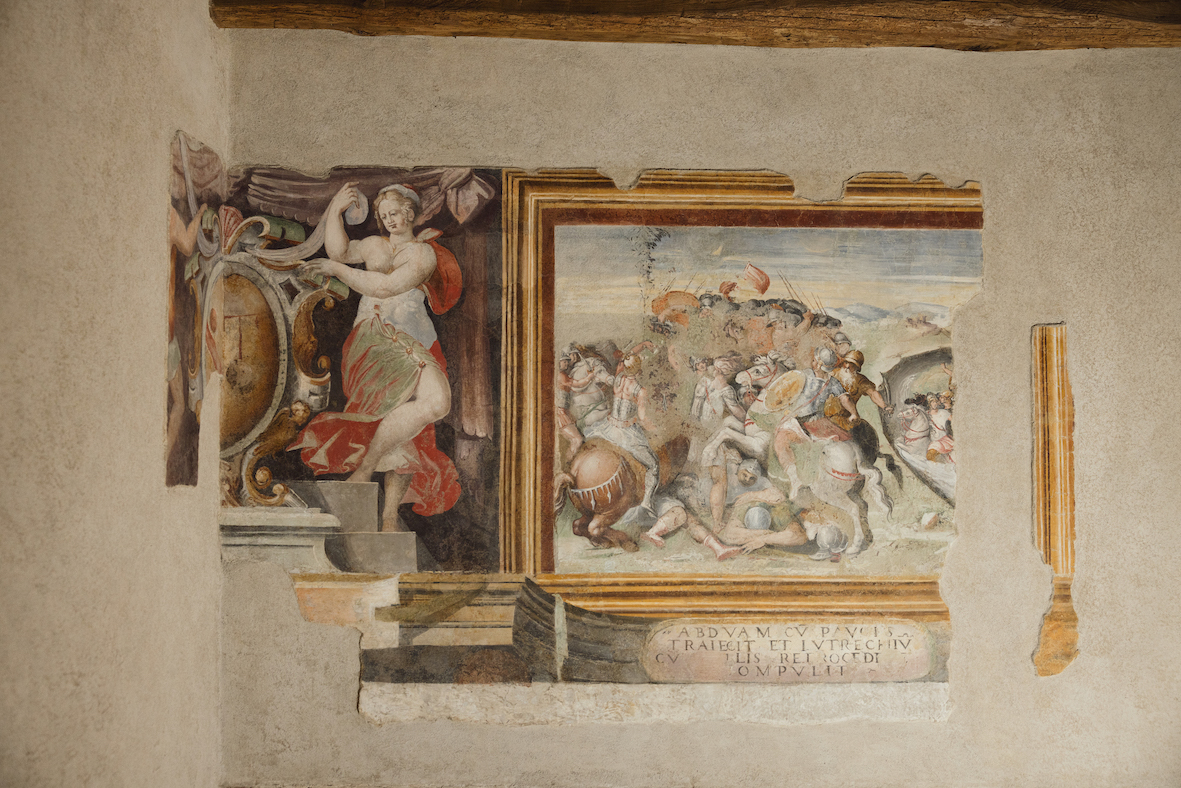
With a private members’ club in Rome, a design-led retreat in Cortina and a wellness destination on Lake Garda, Le Graal is building a new world of Italian luxury hospitality.
In Italy, hospitality has long been tied to place: the grand hotel on the lake, the familyrun palazzo, the discreet retreat known only to insiders. But new luxury brand Le Graal is thinking beyond the standalone address. Its founder, Fabrizio Di Amato, conceives it not as a hotel brand in the conventional sense but as the beginning of a wider world— a connected collection of destinations where Italian hospitality, design and culture merge.
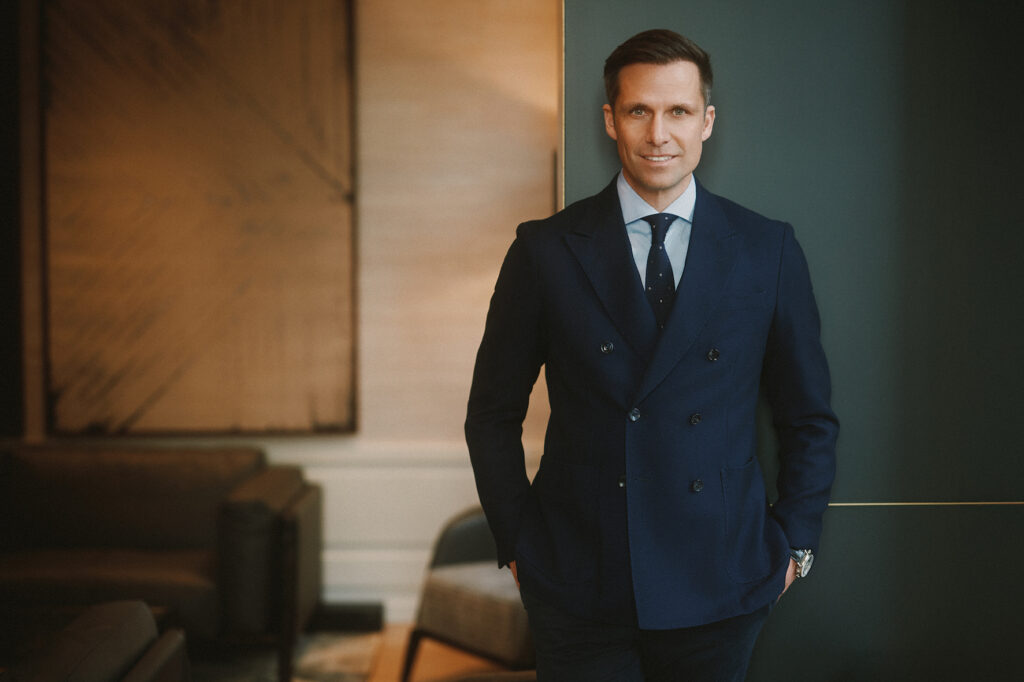
Le Graal will debut with three Italian addresses: a five-star hotel in Cortina d’Ampezzo (opening in the autumn), a private members’ club in Rome (opening this winter) and a wellness-led retreat on Lake Garda, due in 2028. For Di Amato—a Romeborn entrepreneur and founder of engineering group MAIRE—Le Graal marks his first personal move into hospitality. “Le Graal represents a new chapter of a broader vision I am developing through my family office aimed at elevating and reinterpreting the excellence of Made in Italy,” he says. “I want to move beyond traditional definitions of hospitality and create places where culture, aesthetics and human connection come together in a natural way.”


Claudio Ceccherelli, Le Graal’s director of operations—formerly general manager at Park Hyatt Paris- Vendôme, Hôtel Martinez Cannes, Park Hyatt Milan and Villa d’Este on Lake Como—explains that the brand’s ambition goes beyond curating beautiful rooms. “Wherever one enters Le Graal’s world, the feeling should be consistent: not of being hosted, but of being part of something,” he says. In practice, that might mean a guest from Cortina being invited to an event at the Rome club, or a member in the capital travelling to Lake Garda for a wellness retreat.
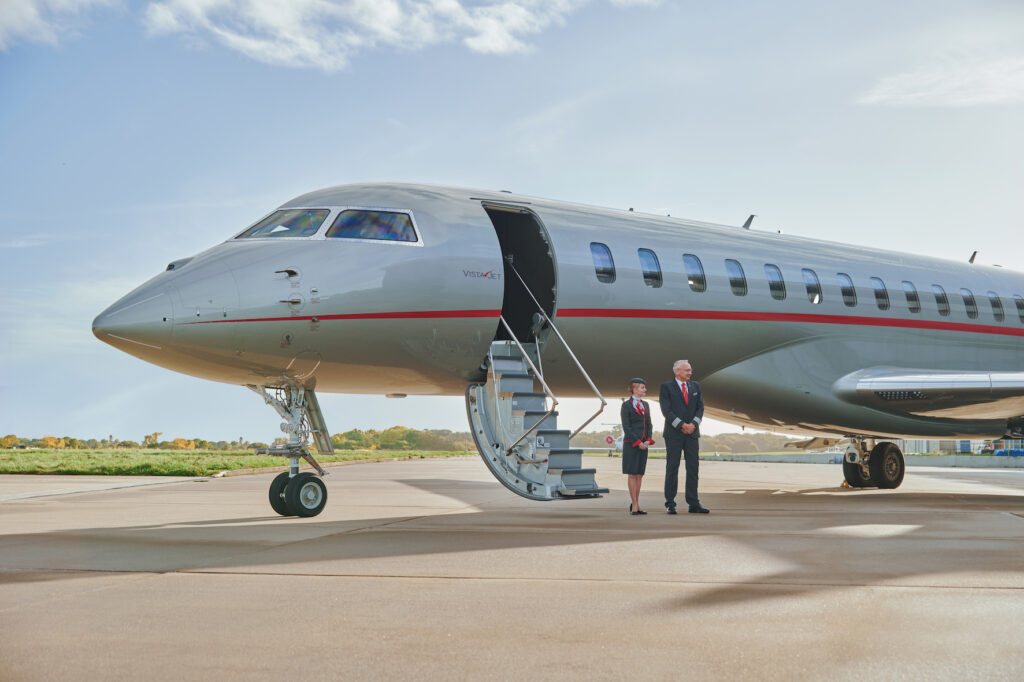
The ecosystem extends further still. Di Amato’s portfolio also includes Esperia Aviation, a luxury helicopter company, and Tenuta San Filippo, a winery in Montalcino producing Brunello—both of which Le Graal intends to weave into bespoke guest journeys in time.
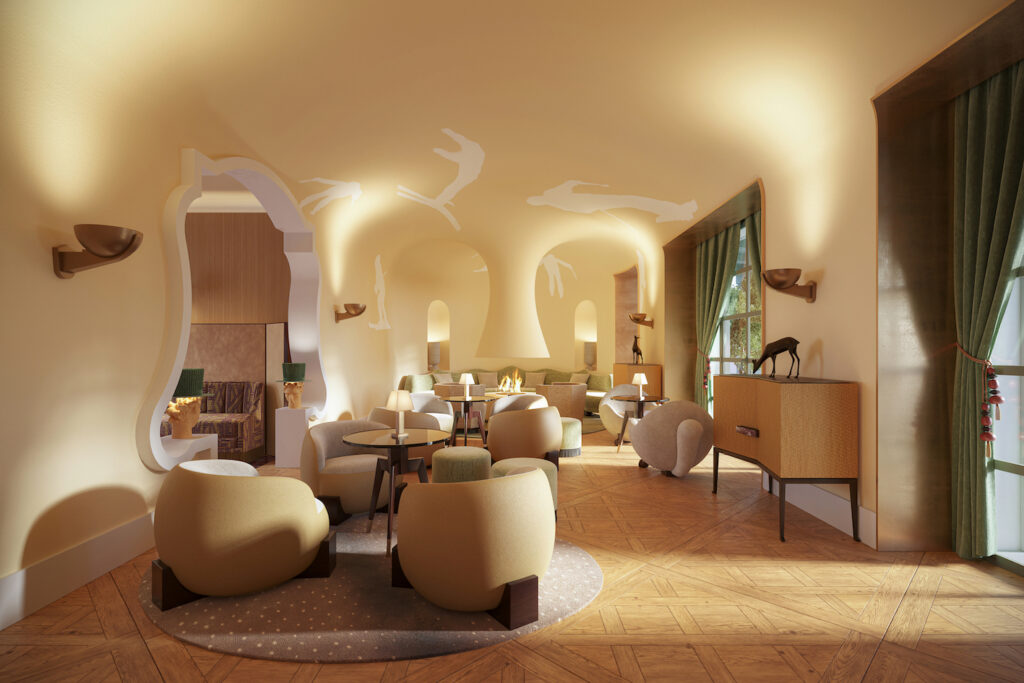
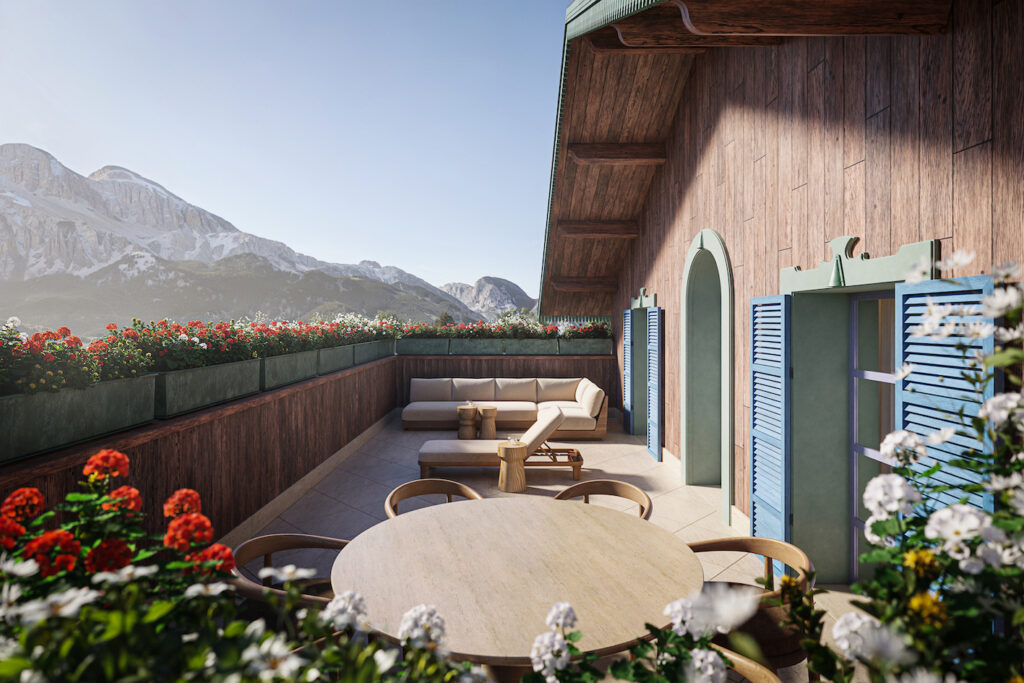
The first opening, Le Graal Cortina, occupies a 1920s Austrian heritage building just steps from the town centre and ski lifts, reimagined by Italian architect Achille Salvagni —his first hotel project. With 30 rooms, including 13 suites, all with views of the Dolomites, the interiors depart from familiar alpine tropes. Brushed-oak Versailles flooring, white dolomitic stone, red, green and grey marbles, and tone-on-tone stuccoes create what Ceccherelli calls “a new visual and experiential narrative within the Dolomites”. The hotel will be open year-round, designed to draw guests beyond the ski season and onto the hiking trails, positioning Cortina as a destination for all seasons.
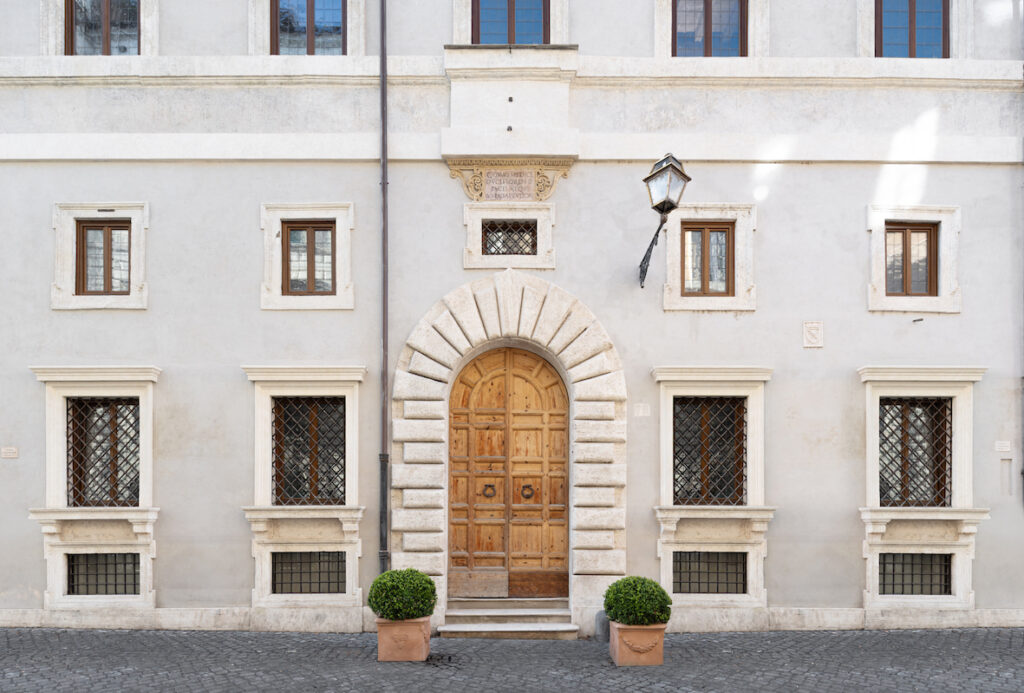
In Rome, Le Graal will open the city’s first private members’ club of its kind inside Palazzo Medici Clarelli on the historic Via Giulia, with 11 rooms and suites, two restaurants, a cloister lounge, American bar, speakeasy, cigar room, wine cellar, gym and treatment rooms. This project is particularly personal for Di Amato, who is a member of 5 Hertford Street and Oswald’s in London. “I came to appreciate the British model, one rooted in community, cultural exchange and a quiet, discerning sense of sophistication, and I wanted to reinterpret that spirit for my own city, but through a more contemporary lens,” he says.
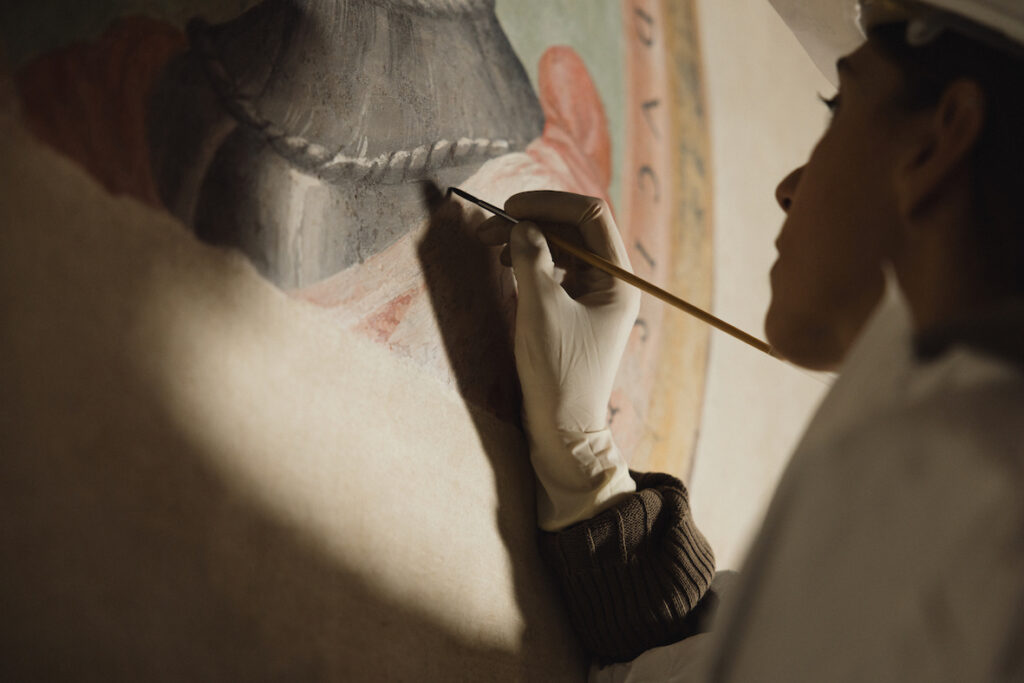
The result is a club conceived without the hierarchies that characterise some of its London counterparts—members shaped not by title or industry, but by curiosity and shared sensibility. “It will be a place where relationships feel natural, conversations feel unforced and the experience is defined as much by the people as the setting,” he says.
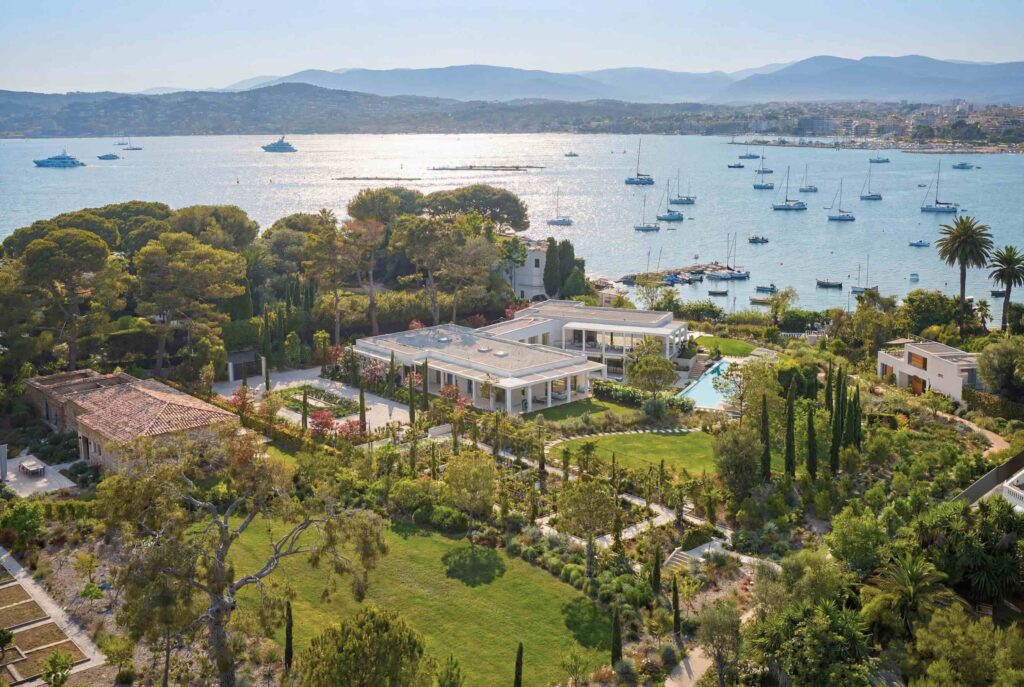
On Lake Garda, Le Graal will transform a Palladian villa into a destination centred on wellbeing. Personalised treatments are built around three pillars—energetic renewal, conscious longevity and stress management—and integrated with the landscape and architecture of the property and the regional cuisine. “The foundation is deeply Italian: respect for craftsmanship, cultural context and the enhancement of historic buildings,” says Ceccherelli. Italy didn’t need reinventing —only rediscovering.