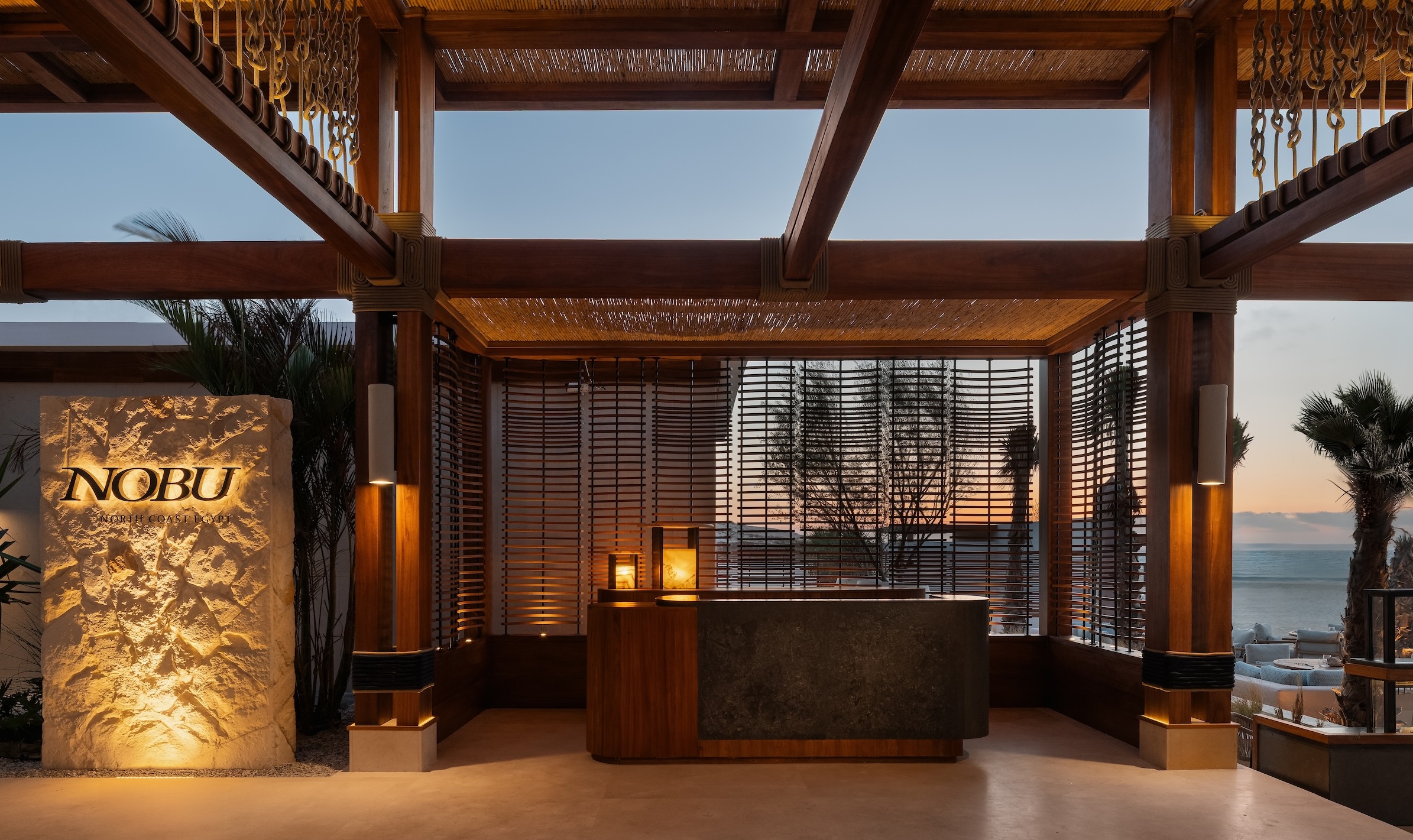
Robert De Niro and his Nobu co-founders on the hospitality group’s most audacious expansion yet.
“I was just happy getting my food brought to my apartment each day,” says Robert De Niro—that trademark smile creeping up to the corners of his eyes—as he sets out Nobu Hospitality’s origins story. “This was in the late 1980s, when I lived on La Cienega Boulevard, right across from Matsuhisa, and one of the waiters would bring it across the street, put it in my elevator, and it’d bring it up to the 10th floor where I lived.”
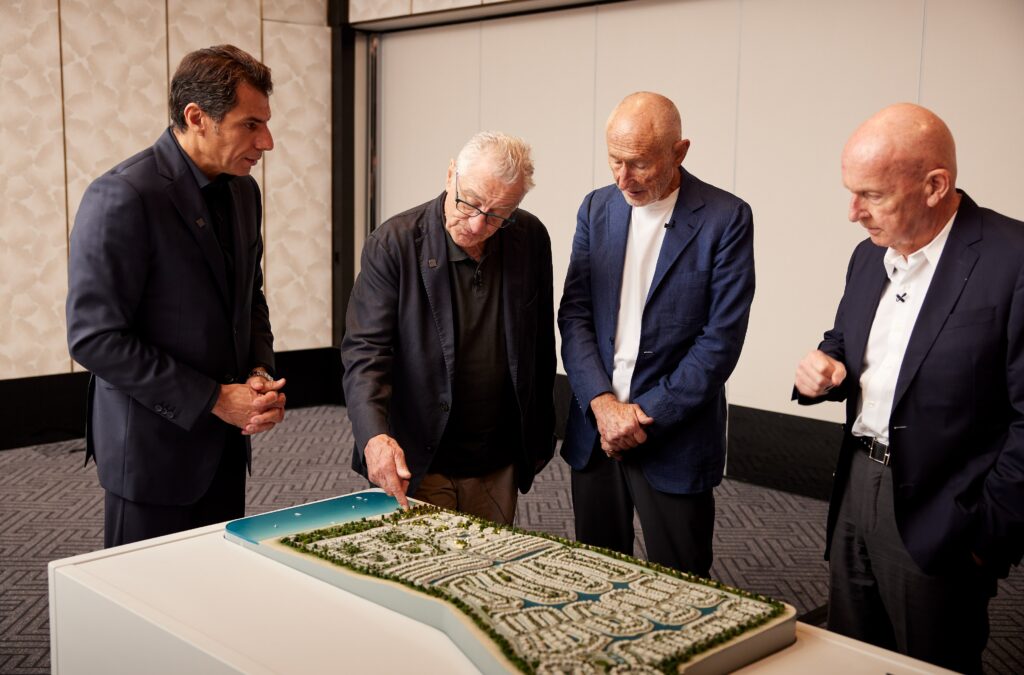
The restaurant—then just-opened and still there today—to which De Niro is referring is that owned by Japanese celebrity chef Nobu Matsuhisa. And what happens next in his anecdote proved to be the catalyst for why the Hollywood living legend is speaking to Robb Report today in a top-floor suite at Nobu Hotel London Portman Square, accompanied by fellow group co-founder Meir Teper, CEO Trevor Horwell and Ayman Amer, General Manager of leading real estate developer SODIC (Chef Nobu, the group’s other co-founder, is absent).

Together, the four men are unveiling the latest and most ambitious chapter in Nobu’s evolution: a three-site expansion into Egypt encompassing restaurants, hotels and branded residences, from the Mediterranean coast to Cairo. But back to De Niro, and how those vertical food deliveries spawned a hospitality empire.
“Eventually [British film director] Roland Joffé introduced me to Chef Nobu, and as soon as I’d spent half an hour with him, I said ‘If you ever want to open a restaurant in New York, let me know’, because I saw how special it was, and I’d never seen a Japanese restaurant like that on the East Coast. It had a sexiness to it, a pizazz. So I said, ‘This is great. This will work in New York or London.’”
His instinct—ultimately—proved prophetic. Whilst it took a few years for De Niro to persuade his new friend (who had developed his signature style, fusing Japanese techniques with Peruvian ingredients, whilst residing in Lima), their first collaborative restaurant eventually opened in 1994. In the three decades-plus since, a highly successful restaurant launch has snowballed into one of hospitality’s most recognisable global brands. Today, Nobu encompasses almost 60 restaurants and a rapidly growing portfolio of hotels and residential developments. Egypt marks another step in that journey, not simply because of its scale but because it reflects a fundamental shift in what the Nobu name represents.
De Niro traces that shift to a simple observation, early on in the Nobu empire’s narrative. “When we were repeatedly being asked to be in places, hotels, buildings, shopping centres, I’d always ask myself: ‘Why are we being asked to be in all these places?’ And the answer is, because it adds a kudos, a certain credibility, to these places. It’s like someone asking me as an actor to be in a movie—‘We’ll pay you because you’re bankable.’ So if Nobu is bankable, I thought, we’ve earned the right to a share in such projects. So the proviso became, ‘We’ll do a restaurant, but we want do a hotel too, or later a residence, now more.’ So it was a case of, ‘Why are we not participating more in projects we’re being invited into just to give them extra cachet?'”
Teper adds the transformation was less the product of a grand masterplan than a series of opportunities that naturally built upon one another. “Sometimes it just happens without planning. Bob’s vision becomes: ‘Why don’t we do our own hotels rather than go to other brands’ hotels?’ Then we do a hotel in Toronto, and the developers say, ‘Can you do also a residence, because we’re building a tower, and call it Nobu?’ When things happen and are successful it makes more things happen.”
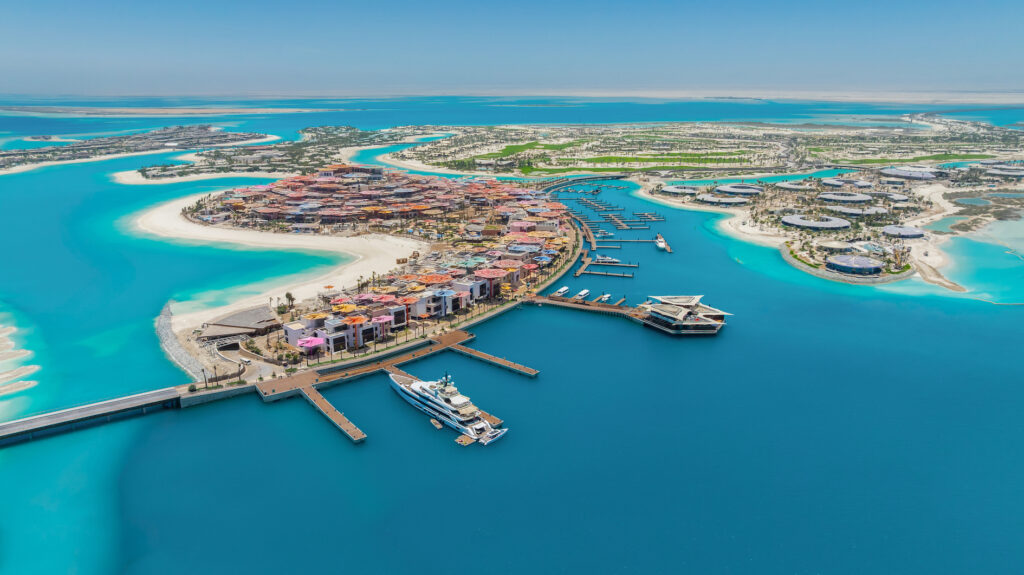
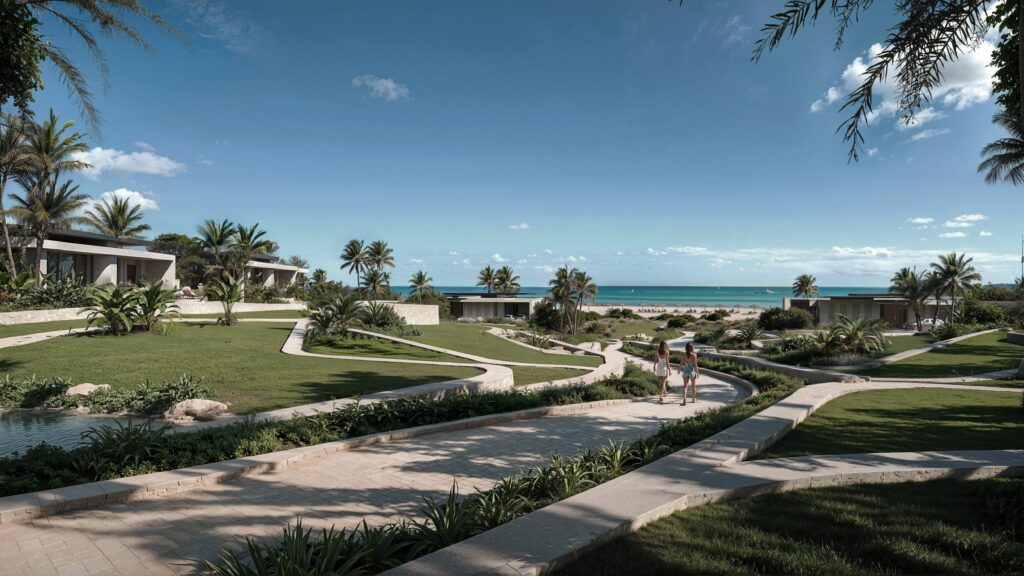
That approach, underpinned by organic growth, now finds expression in Egypt, where Nobu and SODIC (which has more than 27 years’ experience developing communities across Cairo and the North Coast) are creating three distinct destinations. The first tangible milestone arrived this summer with the opening of a new Nobu restaurant in the Eastown District of New Cairo, offering diners a teaser of the brand ahead of the future Nobu Hotel (set to open next year). On the Mediterranean coast—where there has been a seasonal Nobu restaurant since summer 2025—Nobu Hotel and Residences North Coast will anchor SODIC’s flagship OGAMI development. A third hotel and residences are planned for New Zayed, west of Cairo (about 20 minutes from the Pyramids, Great Sphinx and Grand Egyptian Museum).
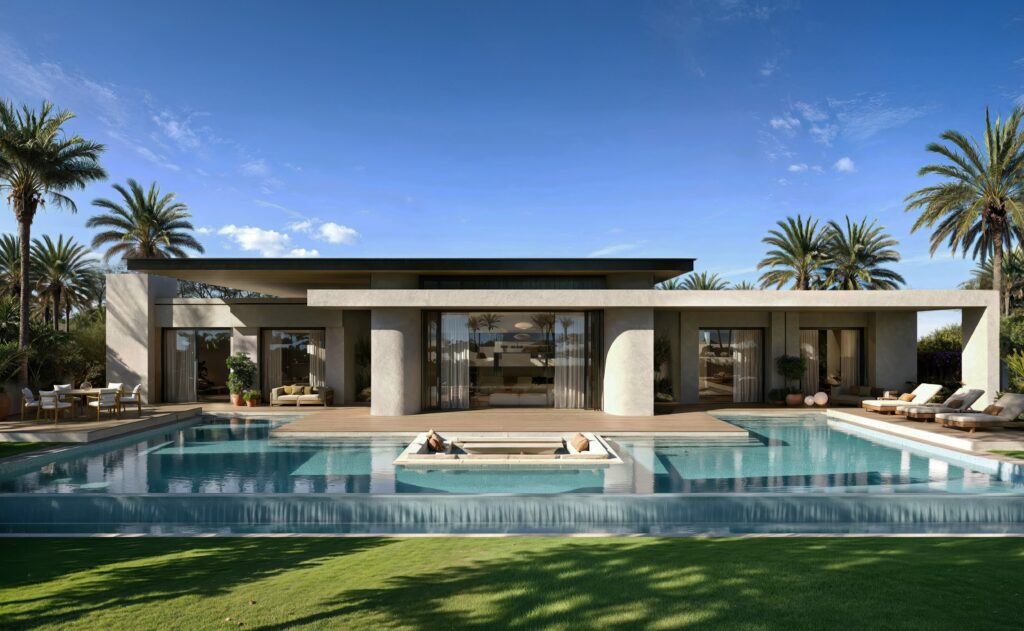
For Horwell, the attraction lies not simply in Egypt itself but in recognising a destination at a moment of transformation. “We’d already been working on a major luxury development with Aldar Properties on Saadiyat Island in Abu Dhabi, when the guys at Aldar said, ‘Look, you have to meet with Sodic, of which Aldar is a main shareholder, because we believe in that company and they’re doing spectacular things in Egypt,’” he says. “So we flew to Egypt and we went to the north coast and saw everything that was going on. I’d lived there many years ago, and could see how profound the change was that was happening, so we said, ‘Look we want to be part of this change’ and the rest is history. We don’t believe there’s any better partner than Sodic.”
Success, Horwell believes, depends on respecting what already exists. “You’ve got to embrace the local culture and blend into that. You have to adapt to the local customs and lots of other things. Nobu is doing that everywhere. Whether it’s Egypt, Abu Dhabi, or anywhere else, but in Egypt, we think that, especially on the north coast, it’s very, very special. The location is very untouched, and we’re going to be the first. I expect many others will come after us.”
Amer, meanwhile, believes the timing reflects broader changes sweeping through the country. “There’s a lot of direct foreign investment getting into this market: Emiratis, Qataris and others,” he says. “Many acquisitions took place a few years ago. There’s been a lot of attention on the North Coast, and it’s growing, what with all the infrastructure that has been put in place over the last five to 10 years. Now, there are new airports, there’s greater connectivity, there are chartered flights from Europe and the GCC nations. Room rates have jumped from $200, $300 to $1,000 a night over the last two years.”
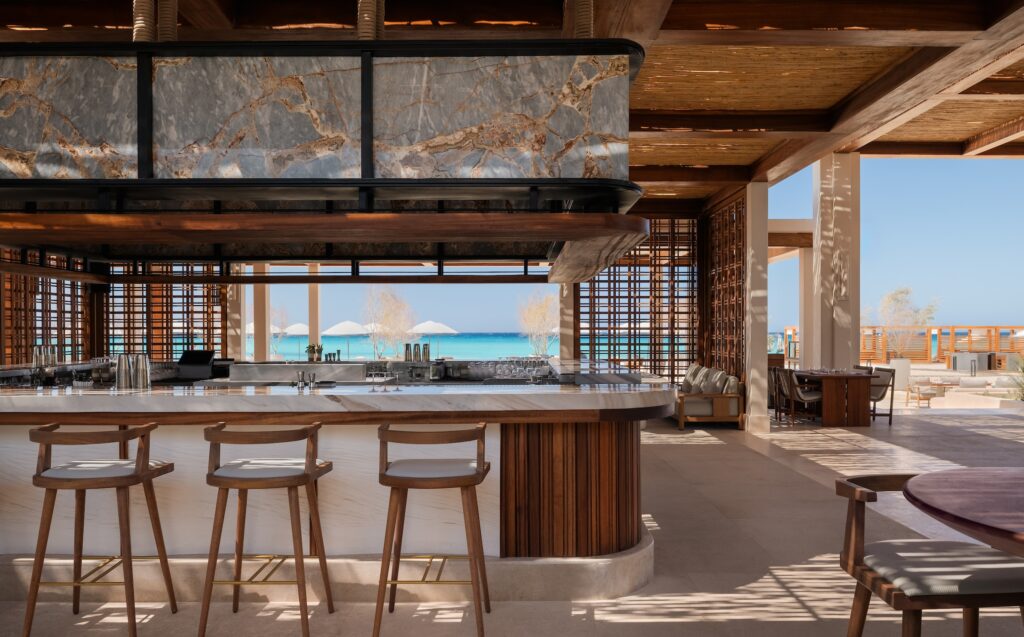
Indeed, Teper believes Egypt’s Mediterranean coast has the potential to become a genuine year-round destination to become a genuine year-round destination. “We’re also doing a residential development at Sahel, which is on the north coast, which is currently considered by everyone to be a place to visit for only six months of the year,” he says. “We want to change it to an all-year-round destination for people to buy a house or villa in. Including in the wintertime.”
The architecture, Teper says, reflects the same balance between global identity and local character that has defined Nobu from the beginning. “In Egypt, we’re using a New York architect who has done quite a few restaurants and hotels for us in other parts of the world. We introduced them to Sodic and to Ayman, and they liked what they saw, and they’ve used a lot of local materials while incorporating into designs our Nobu, Japanese look and feel. It’s going to be a beautiful product.”
Beautiful, and indeed big: in terms of what it represents as a milestone for a hospitality group which has made several evolutionary leaps, from restaurants to hotels to branded residences and, now, entire mixed-use neighbourhoods. Not bad for a story which begins with a waiter crossing a busy Los Angeles thoroughfare, and placing some Japanese-Peruvian fusion fare in a lift.