

The entire private wealth dynamic is changing profoundly—in women’s favour. Which is why UBS Global Wealth Management is introducing its Women’s Investment Circle in Monaco.
The facts, when it comes to how wealth distribution is shifting across gender lines, are staggering. Thirty-nine percent of private wealth globally is projected to be in women’s hands by 2030, up from 34 percent today. The average wealth of female billionaires grew by 8.4 percent to more than US$5.2 billion (around €4.4 billion) in 2025, more than twice the men’s average growth rate of 3.2 percent, according to UBS research.
Added to the above is the ongoing reality of the horizontal wealth transfer—women tend to inherit from their spouses more than vice versa, as they outlive men on average by five years. Plus, with women surpassing men in higher education attainment in the US, UK and most EU nations, the idea that men hold life’s purse strings is being consigned to the basement—fast.


So how is the financial services industry responding to these seismic shifts? Sixty seven percent of female investors globally, according to EY, feel that their wealth managers misunderstand their goals, while 53 percent of assets controlled by women are currently not even professionally managed (compared with around 45 percent for men), based on data from McKinsey.
Acting on this emerging reality—and factors such as 70 percent of widows leave their bank within a year of the death of their spouse because they haven’t had a relationship with their advisors—has been a priority for Swiss multinational bank UBS for nearly a decade. “In January 2017, we set up a formal programme to better serve our female clients, because we were seeing across the industry that women felt dissatisfied with the financial advice they were receiving—that their wealth managers misunderstood their goals,” Emma Wheeler, head of women’s wealth at UBS, tells Robb Report. “It’s become very much part of our DNA now. We’ve really been upskilling our advisors globally to have the right kind of conversations with our female clients and created a unique programme and approach to training them.”

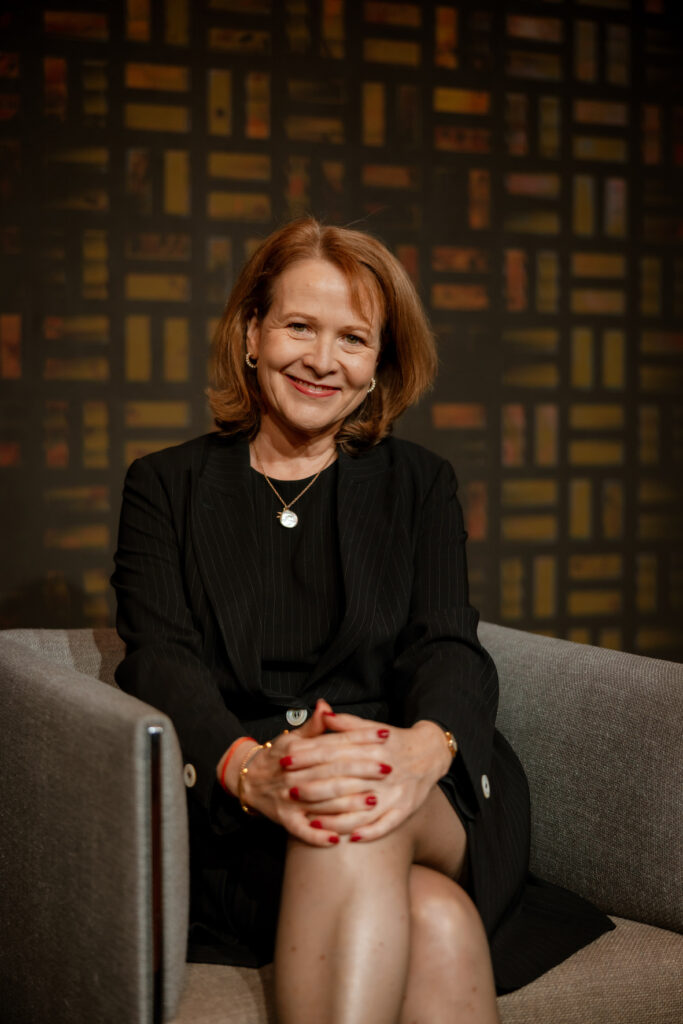
Very different behavioural approaches to investment, Wheeler says, has played a huge role in how the programme was devised. “Women favour holistic, trusted advice— far more so than men,” she explains, adding that their attitude to investment goals is profoundly different. “Women tend to think about wealth in terms of what they can achieve with it at different stages of their lives: whether that’s to buy a beach house in their 50s, or privately educate their children in their 30s and 40s—as opposed to simply growing wealth. They also make much more calculated risk decisions, trading less often and responding less impulsively to market lows. And what we’re seeing is that their portfolios tend to outperform over time.”
All of which is why UBS has rolled out a global scheme called the Women’s Investment Circle, most recently in Monaco, which taps into these shifts in the zeitgeist and empowers women in financial confidence. “It’s about helping women build that autonomy and sense of control around their own finances,” says Wheeler. “It’s a seven-module programme, run in collaboration with our Chief Investment Office and has been devised to be jargon-free. Investment philosophy, asset classes, financial markets, thematic and sustainable investing, strategic asset allocation, building and executing a portfolio, legacy planning—all of these areas are covered. We also look at something I consider particularly relevant for female clients, which is Financial EQ, or emotional intelligence: the more human dimensions around wealth.”
A crucial aspect of the programme, Wheeler continues, is a sense of community. “Ensuring that women don’t feel alone on this journey is really important,” she says, “as is meeting like-minded women. We have mothers and daughters on the programme. We have lawyers who know they need to take control. We have divorcees who are having to step up to take control, widows in the same situation. So we have a huge variety of women in that programme. The common denominator is that they know they need to either take control and start investing, or at least be part of the financial decision-making processes in their families.”
With wealth in women’s hands, we can also expect to see a greater emphasis on positive social outcomes in the women’s wellbeing space overall, as a direct impact of their investment decisions. For example, a new report from UBS’s Chief Investment Office, Wheeler reveals, looks at the opportunities of investing in female health and the challenges women currently face in the healthcare industry.
The philosophical implications of this are limitless: but in the end, the true measure of this shift will not be the wealth women hold, but the freedom with which they choose to play their role in shaping the world.