Hotel visionary Adrian Zecha’s latest project, Azuma Farm Koiwai, brings sukiya design, farm-grown produce and deep rural calm to Japan’s lesser-known Tohoku region.
Now in his 90s, age has not hindered Aman founder Adrian Zecha from guiding the development of a new rural hideout called Azuma Farm Koiwai in Tohoku. Opened this spring, it sits on a plateau beneath the stratovolcano Mount Iwate, two hours and 20 minutes north of Tokyo by bullet train. In an effort to stimulate tourism to lesser-visited parts of the country, the hotel has been co-funded by East Japan Railway Company, with operations led by Fumitomo Hayase, founder of Naru Developments. Hayase and Zecha previously collaborated on Azumi Setoda, which opened in 2021, making this “farm resort” a continuation of their shared vision.
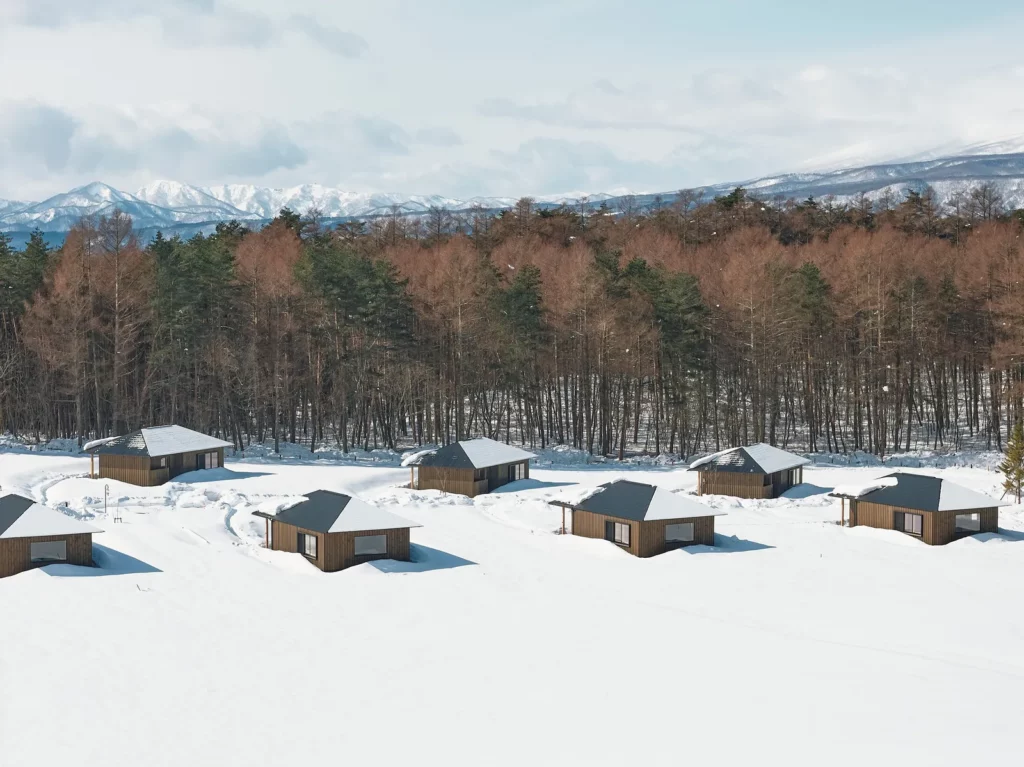
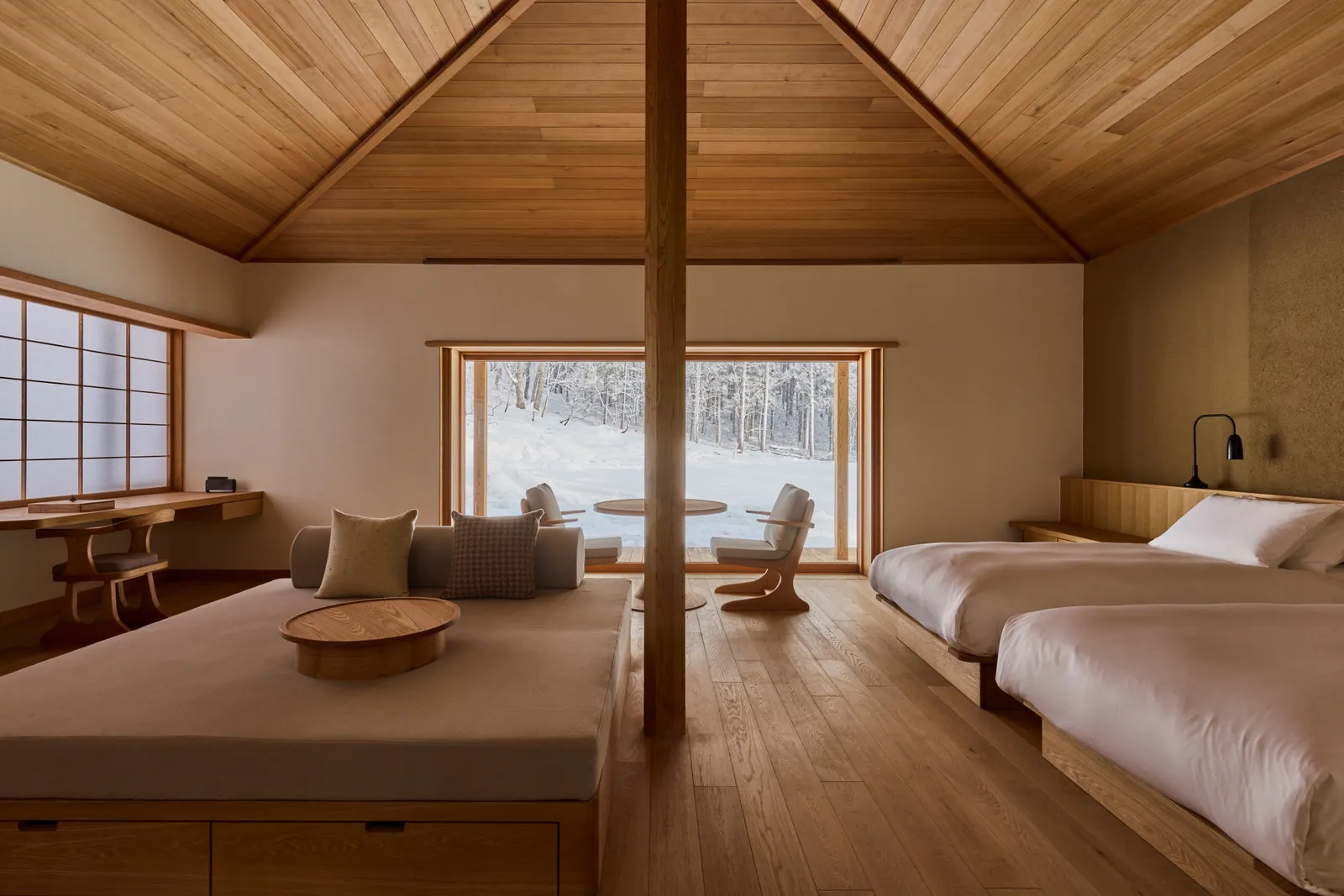
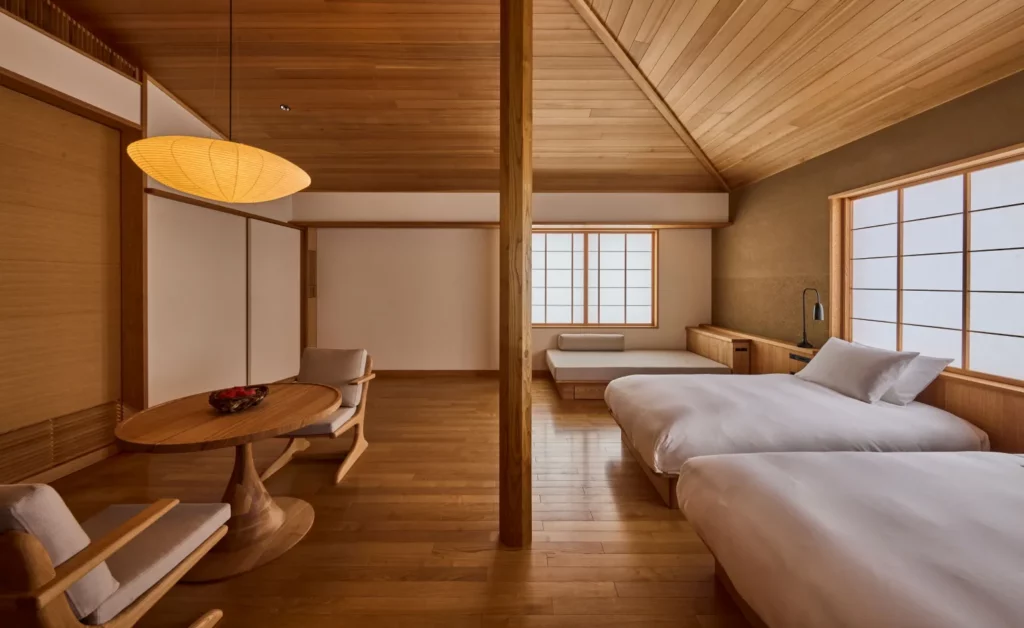
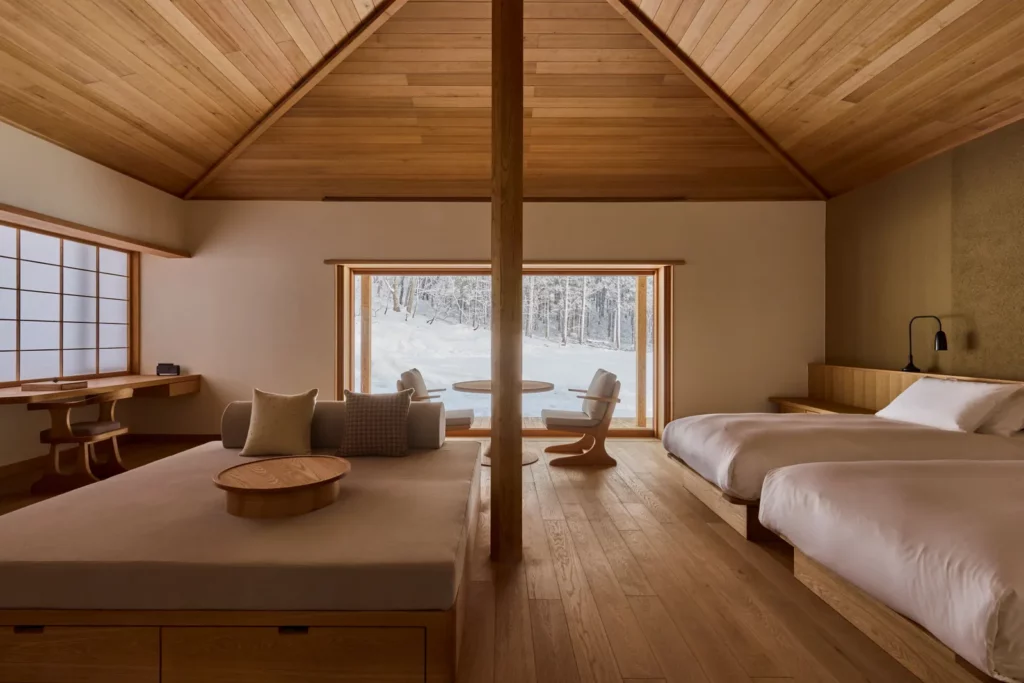
The “ego-less” Azuma Farm, where stays start from around ¤1,280 per night, embodies principles of sukiya design, constructed using timber from red pine, local cedar and Iwate chestnut, all carefully sourced from the surrounding forest. The property comprises 24 villas, each offering an all-inclusive experience, along with separate spaces for dining, socialising and bathing. For those curious about the secrets to a long, well-lived life, take heed: if nonagenarian Zecha prescribes slow living and time in nature as luxuries worth paying for, he is probably right.


The region’s rich volcanic soil supports dairy and agricultural production; at breakfast guests can drink milk from Koiwai farm’s cows, alongside seasonal fruits and vegetables grown on the farm.
Cultural experiences transport visitors to a prelapsarian world: meet an 11th-generation master artisan who will forge a bespoke iron kettle that can be shipped to guests when they return home, walk through wasabi fields, snowshoe in winter, or ride horses across the plains. Afterwards, meditate in one of three sauna pavilions, each featuring freestanding cedar cold-plunge baths and low-slung chairs arranged around wood-burning stoves.
Zecha anticipates opening an onsen in late 2026, and a restaurant specialising in Sumibi yaki (charcoalgrilled Japanese cuisine)—proof that age is no impediment to progress.