Last week on the shores of Lake Como during the Concorso d’Eleganza Villa d’Este, the Italian boutique marque unveiled its first wholly original hypercar — powered by a bespoke Koenigsegg twin-turbo V8 and offered in two versions, including a dramatic Pikes Peak configuration for those aero lovers. The automotive world took notice.
There is something pleasantly audacious about Kimera Automobili. A small workshop in Cuneo, Piedmont, it has spent its short existence doing something most marques would not dare: reinterpreting the Lancia rally cars of the 1980s not as nostalgia exercises, but as genuinely driveable, technically evolved machines. The EVO37 and EVO38 built the brand’s reputation. The K-39, revealed last week at the Concorso d’Eleganza Villa d’Este, marks an altogether different ambition.
This is no evolution of an existing car. The “K” prefix — standing for Kimera itself, as distinct from the restomod “EVO” lineage — signals a clean break. The 39 denotes its position as the brand’s progressive project number. Together, they introduce Kimera’s first fully original creation: a hypercar born entirely from in-house vision, entering a top tier segment.


Powered by Swedish muscles
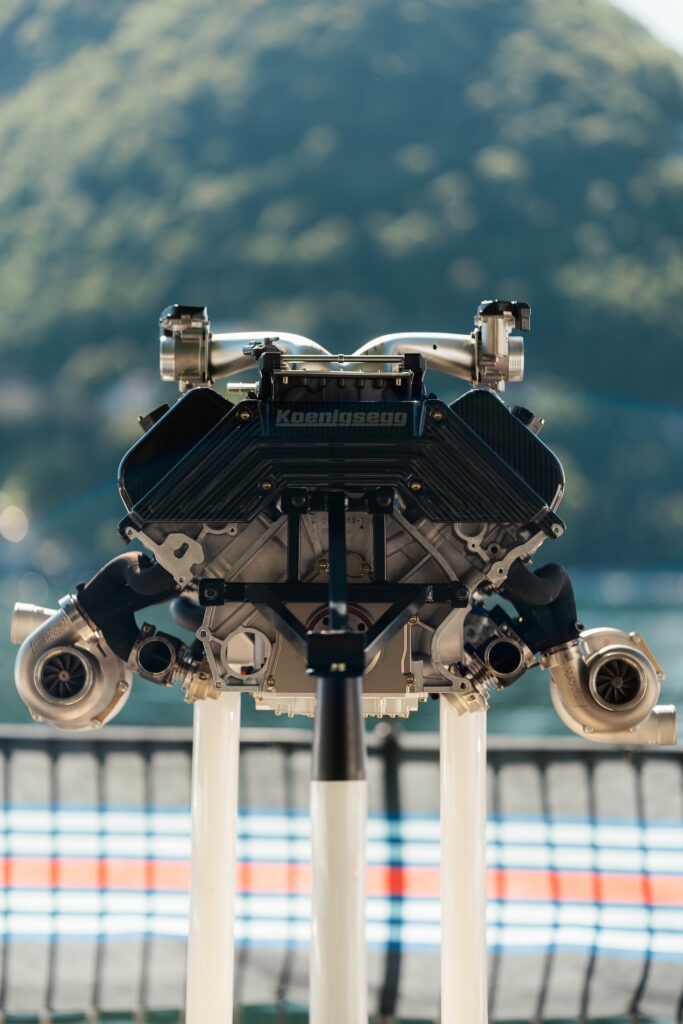
The headline partnership is, by any measure, extraordinary. Kimera has enlisted Koenigsegg to develop a bespoke twin-turbo V8 — a dedicated unit producing 1,000 hp at 7,350 rpm and 1,200 Nm of torque at 5,500 rpm, with a redline of 8,250 rpm. For Koenigsegg, the collaboration represents a deliberate strategic expansion: making selected powertrain technologies available to exceptional external projects, where shared values and ambition justify the effort.
The engine is not simply transplanted wholesale from Koenigsegg’s own cars. The turbo system has been resized and lightened relative to higher-output Koenigsegg applications, with drivability and throttle response tuned specifically to Kimera’s brief. Christian von Koenigsegg himself described the K-39 as “exactly the kind of project deserving something truly special: independent, emotional, technically ambitious and built with a clear sense of purpose.”
The Ghost of Group C
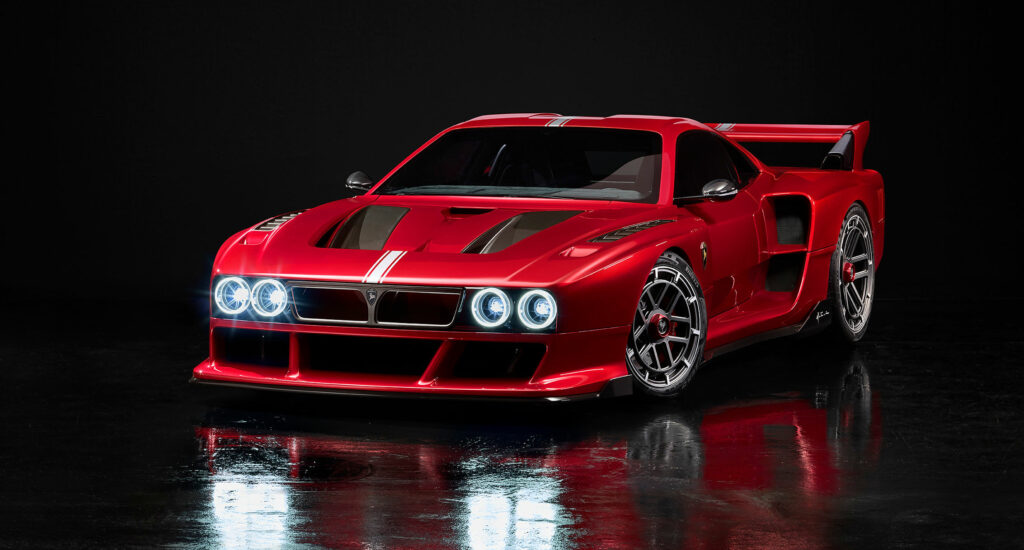
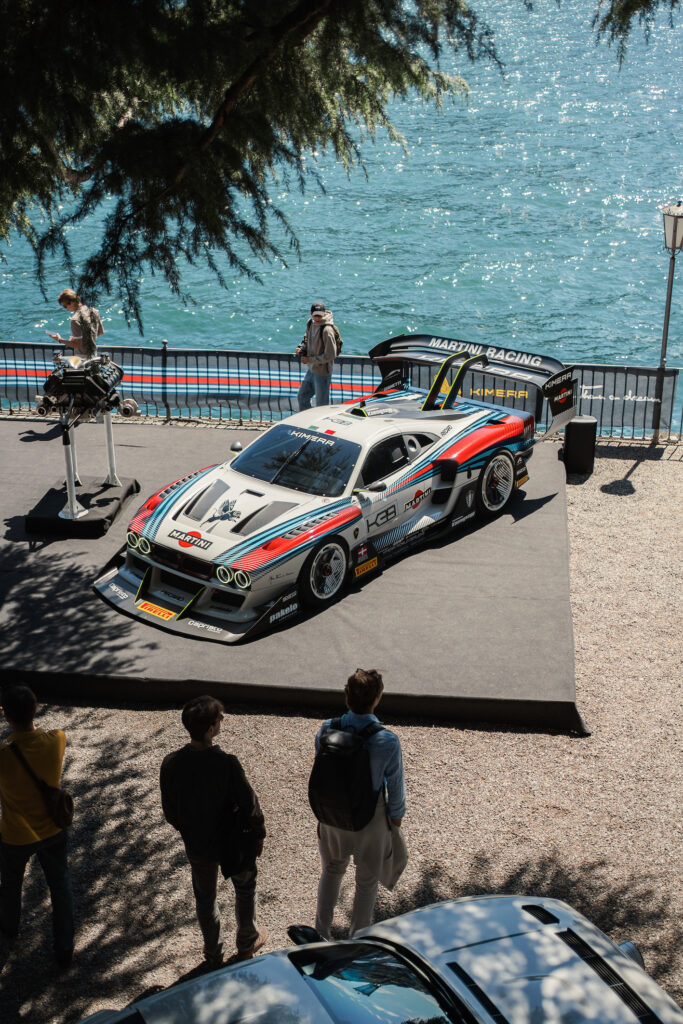
Where the EVO cars drew from rally’s golden age, the K-39 shifts its gaze to circuit racing — specifically the silhouette cars of the World Endurance Championship in the 1980s. The proportions are long and low, described by Kimera as “alien to any contemporary standard”: aggressive in substance, elegant in composition. A visual kinship with the EVO37 and EVO38 remains, most legibly in the treatment of front and rear, but the K-39 arrives at something entirely its own.
Aerodynamics and design have been developed in concert rather than sequence. The front end incorporates an S-duct — the kind of solution found on contemporary Formula 1 cars — while the rear is conceived as a technical sculpture: extracting surfaces, a period-referencing wing and a rear screen combining function and form in a way few production cars manage. Kimera has also drawn on its longstanding relationship with Dallara — a connection rooted in mutual admiration and a shared reverence for Italian engineering culture — to inform the car’s technical character.
Pikes Peak and the Limited Series
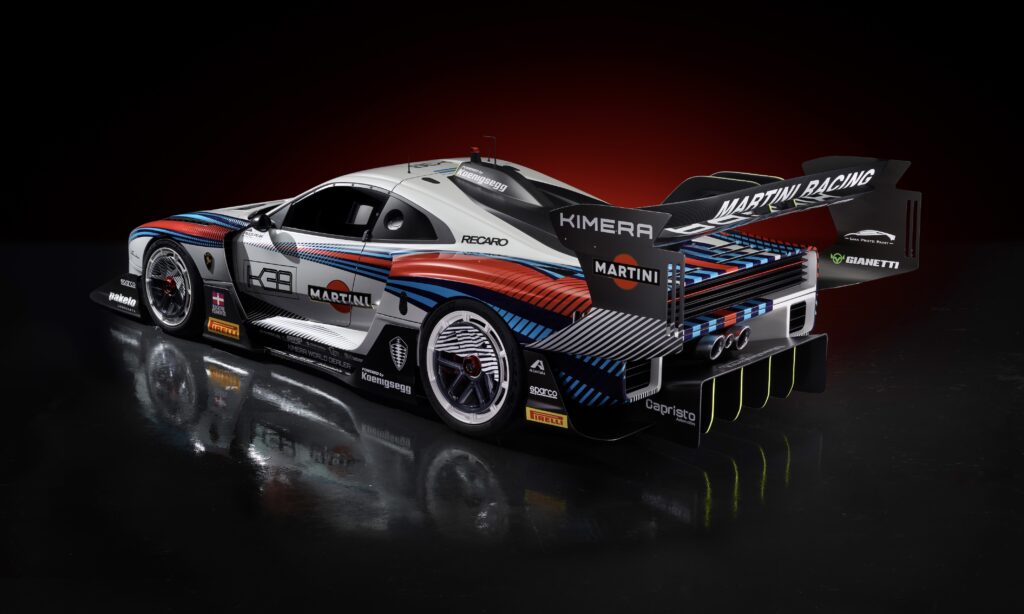
Production will be limited — in keeping with every Kimera precedent — and more than 20 cars had already been allocated before the K-39 made its public debut on the Lombard shore. Within the programme, a further special variant made in just 10 examples is reserved for the 10 founding clients: the Pikes Peak configuration, featuring a dedicated “extra everything” aerodynamic package with applicable appendages and solutions enabling rapid adjustment between road and track use, without sacrificing road-legal status. Just look at that rear spoiler and front splitter.
The Pikes Peak version is not merely for show though. Kimera has confirmed its sporting programme is working towards actual participation in taking on the Race to the Clouds — with an internal combustion engine, powered by Koenigsegg, making an emphatic case for the combustion car’s continued relevance at the pinnacle of performance. Founder and CEO Luca Betti will himself compete at Spa-Francorchamps and Le Mans Classic in the car serving as the K-39’s spiritual ancestor, closing a narrative circle the brand regards as deeply personal.
In modern days, releases of pure passion and straight up combustion performance is sadly getting rarer and rarer. This does bring up a daring question. Is this the F40 reincarnation the world has been waiting decades for?