Travelling from Paris to Venice aboard this historic train, a slower pace of travel takes hold: Craft, cuisine and landscape restore attention to the journey itself.
There was a time, in the early decades of the 20th century, when travel carried a sense of occasion. Outfits were planned with anticipation, meals were enjoyed in whitetablecloth dining cars, and journeys were treated as experiences in themselves. That idea has since given way to timetables and convenience. The Venice Simplon-Orient-Express, A Belmond Train returns to travel’s golden age, restoring value to the hours between departure and arrival.
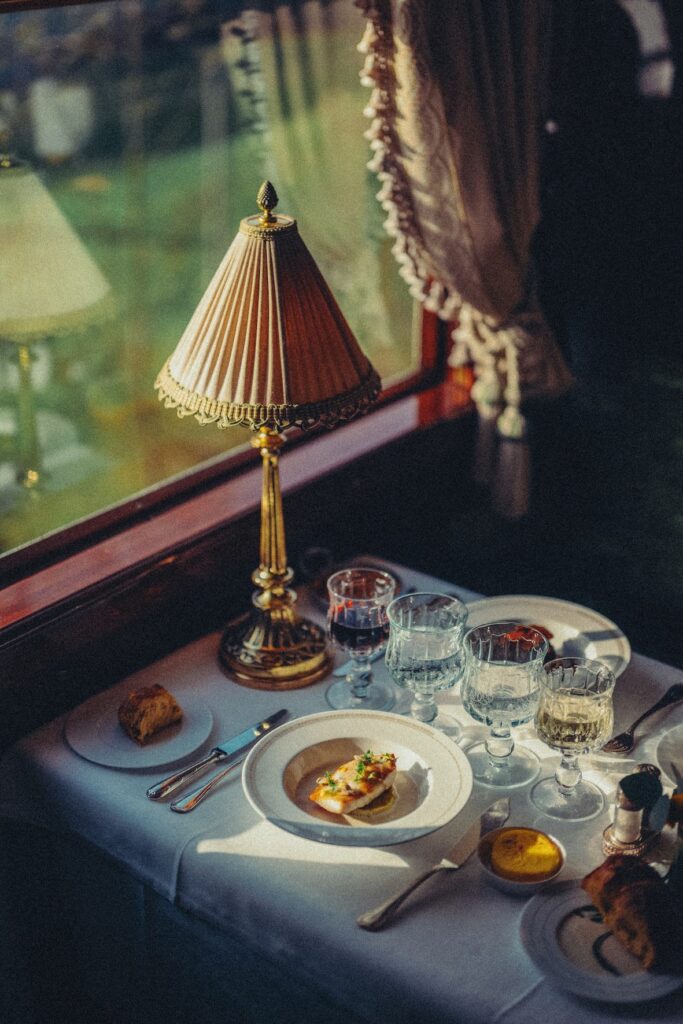
The experience begins in the dining car. Dinner, served by white-gloved stewards on pressed linen, is already underway as the train leaves Paris. Through the window, the edge of the city begins to fall away. There is no announcement to mark the moment and departure is absorbed into the evening.


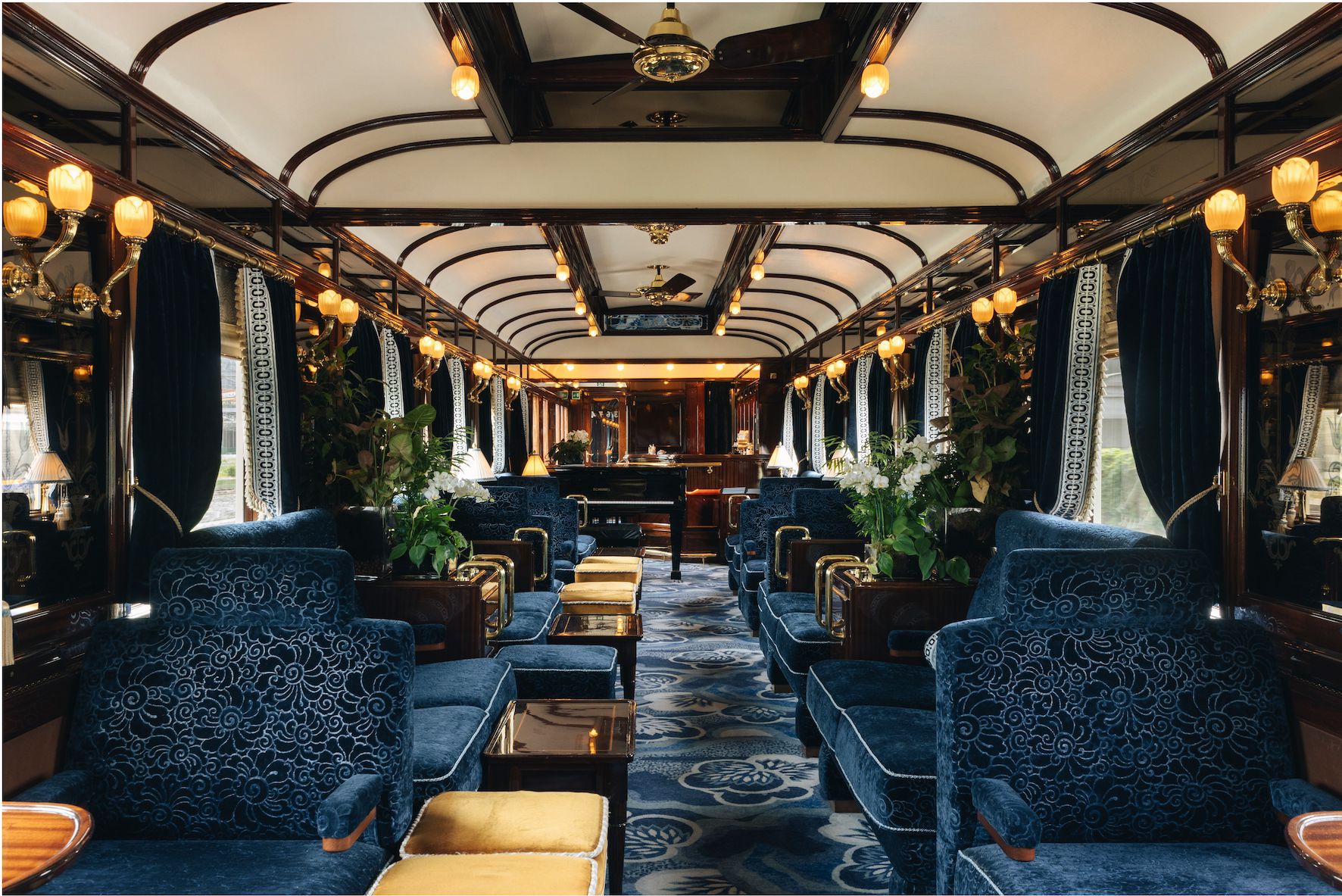
The journey is arranged around what happens onboard, with dining, socialising and observation at its heart. The line south from Paris to Venice links two cities with long cultural histories while passing through a landscape that runs from open countryside to the Alpine passes—the slower pace lending the journey a more cinematic quality. The menu follows the route, with each course tied to the regions beyond the window. As the Champagne flows, conversation carries between tables and across the carriage. After dinner, the bar car fills and well-heeled guests gather for drinks and mingle as a pianist plays into the early hours.
Returning to your cabin, you’ll find the space already prepared for sleeping. Seating has been converted into a bed, linen turned down beneath polished wood and Art Deco detailing, lighting softened against the panelled walls, with a steward remaining a constant presence, anticipating and smoothing each and every part of the transition from day to night.
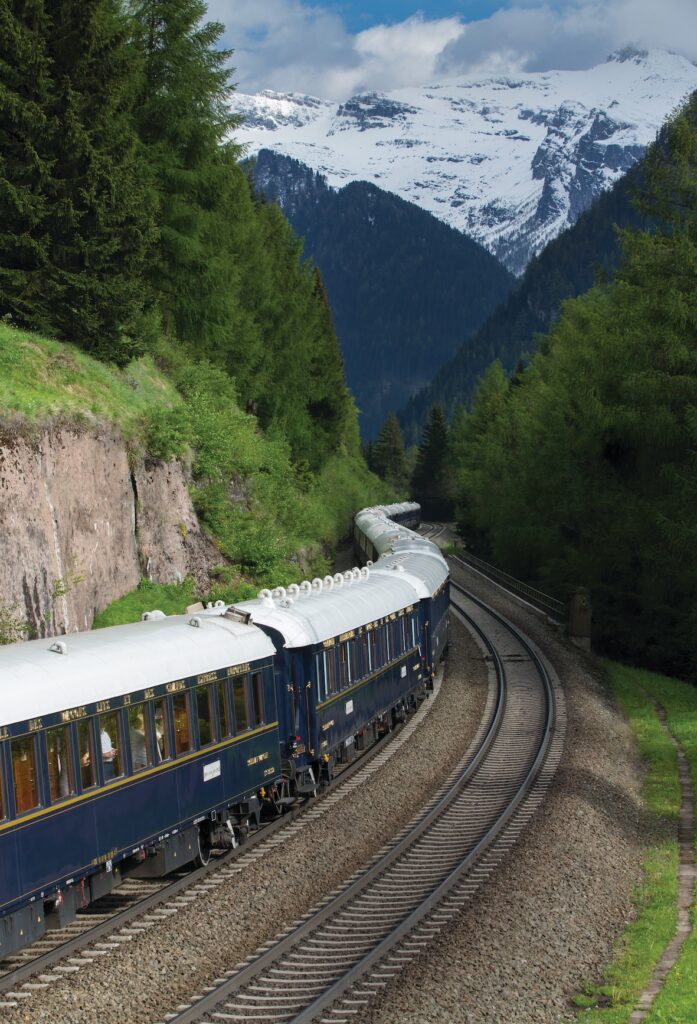
Through the night, the train continues east across the border, and by morning, the landscape has shifted. The day begins with a knock at the door, and breakfast is served in the cabin as the train passes through the Alps, where snow rests along the higher ridges and the valleys open out below—widely regarded as the most striking stretch of the route.
The hours that follow are unstructured, with time to sit by the window and follow the track as it curves through the terrain—what general manager Pascal Deyrolle describes as “the space to pause, disconnect and fully immerse”. There is time to explore the rest of the train, where historic carriages sit alongside newer additions, including L’Observatoire, conceived by artist JR. With its hidden library behind a bookcase and cosy tearoom, it brings a contemporary layer to the train’s design.
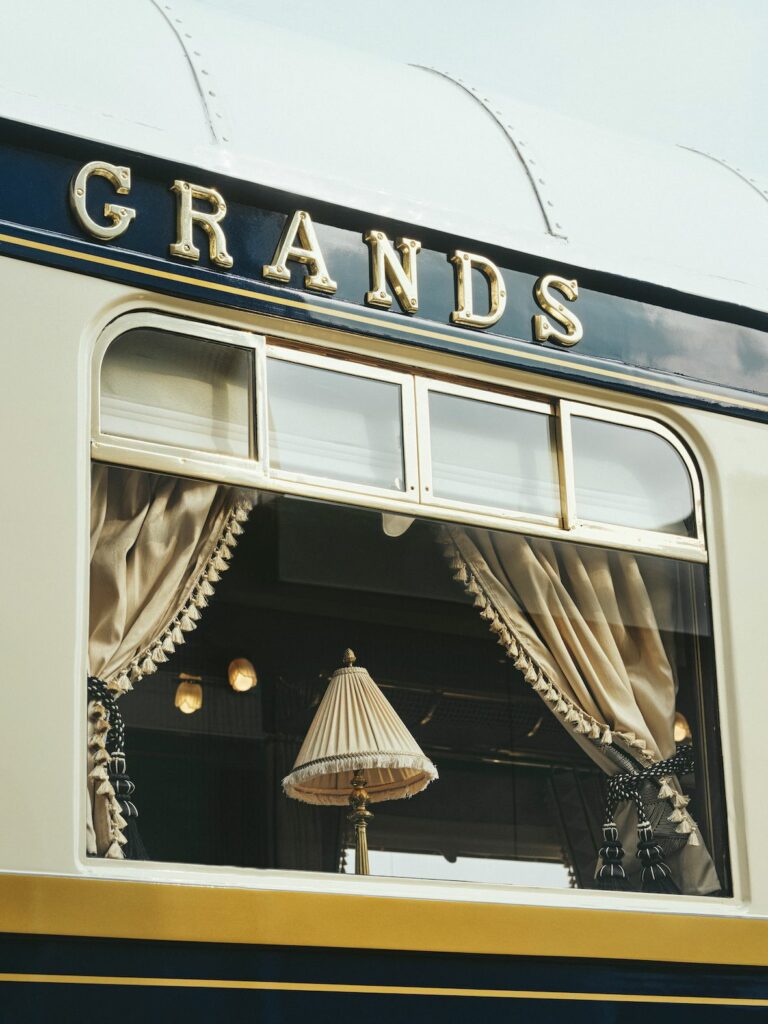
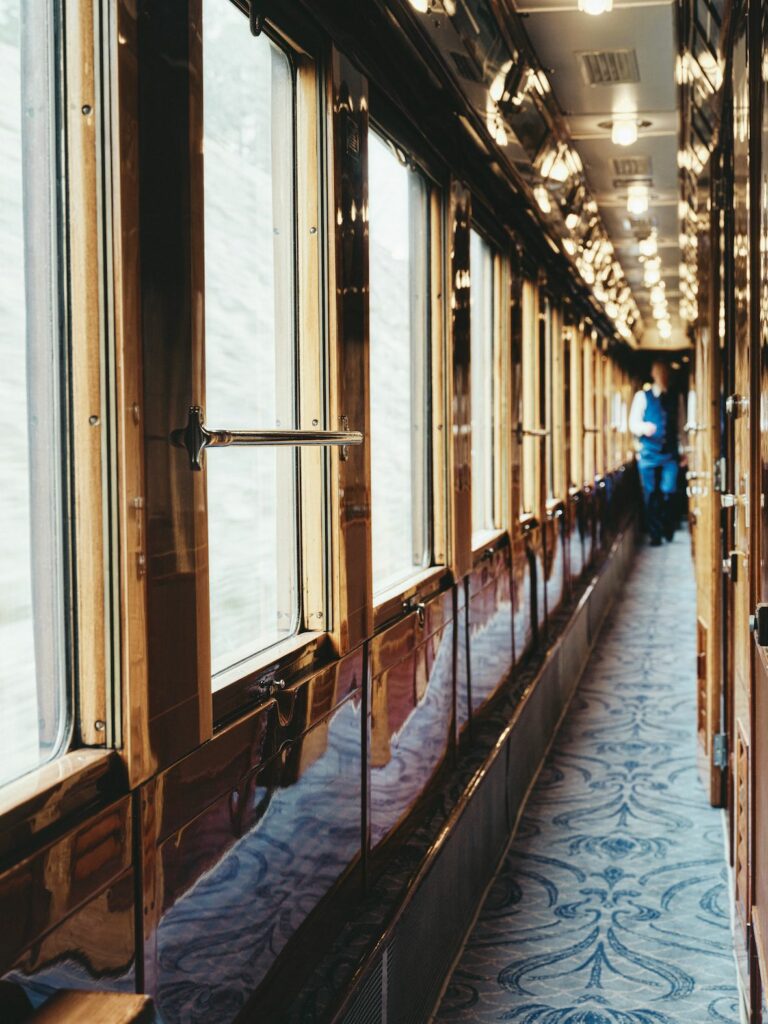
Lunch returns passengers to the dining car, where daylight reveals the detail of the carriage. It is here that the craftsmanship comes into focus, in the marquetry, lacquered wood and original fittings. The carriages date from the 1920s and 1930s, and have been carefully restored and meticulously maintained.
By late afternoon, the train approaches Venice. The terrain flattens, water appears alongside the track, and the light softens as the lagoon comes into view. Your experience might continue: Belmond is expanding its offering with its Villeggiatura by Train itineraries, linking this rail journey with stays in Venice, Florence and Portofino. Each involves an overnight journey followed by time at one of its Italian properties, from Hotel Cipriani in Venice to Villa San Michele near Florence and Splendido above Portofino.
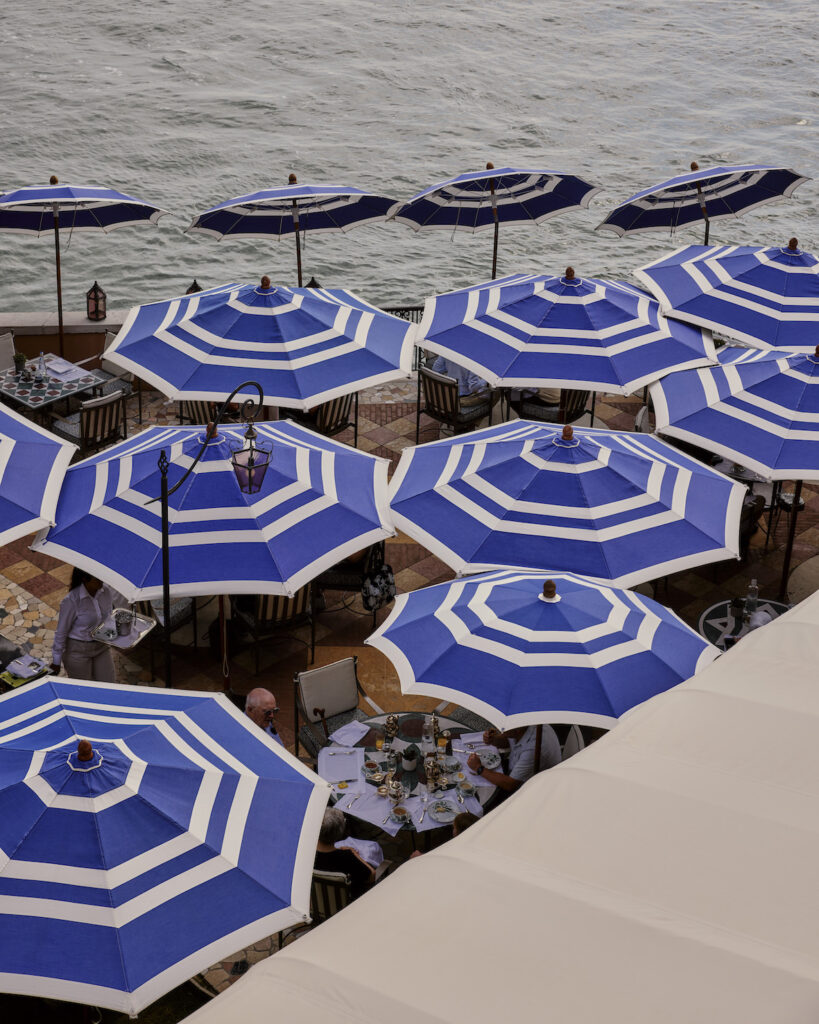
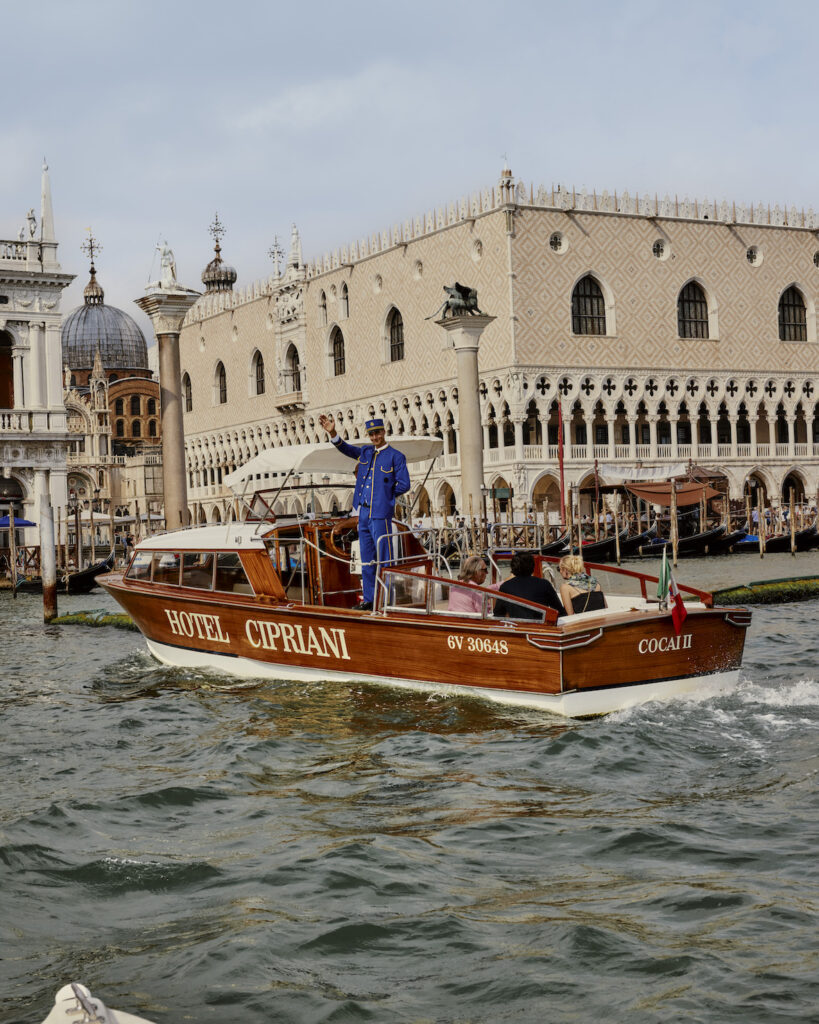
The journey continues beyond the train, forming what Deyrolle describes as “a more coherent and unfragmented form of travel”. Wellness carries through into the time spent off board. In Venice, this might mean access to the Orsoni Furnace or time in the gardens and lagoon-facing terraces of Cipriani, with its pool and private access across the lagoon. In Florence, it might take the form of a sound healing session in the Energy Chapel, set within the villa’s woodland, or a visit to one of the city’s artisan workshops.
It is a more immersive and glamorous way of travelling: dressing for dinner, taking a seat in the dining car, watching the landscape shift beyond the window. Each part holds its place, forming an experience that carries from departure to arrival and beyond, so the journey itself becomes something to relish rather than endure. “The Venice Simplon-Orient- Express captures the spirit of the golden age of travel by offering an experience that goes beyond simply getting from A to B,” says Deyrolle. “It invites guests into a world that feels like a living time capsule, where 1920s and 1930s Art Deco design, impeccable yet never impersonal service and refined cuisine come together to create a true sense of occasion.”
“Ultimately,” he says, “guests are emotionally connected to the journey as a moving piece of living history, where the journey itself is as meaningful as the destination.” The only question is when to return.