Discover how Alessandro Mori turned one Montalcino hillside into Brunello royalty.
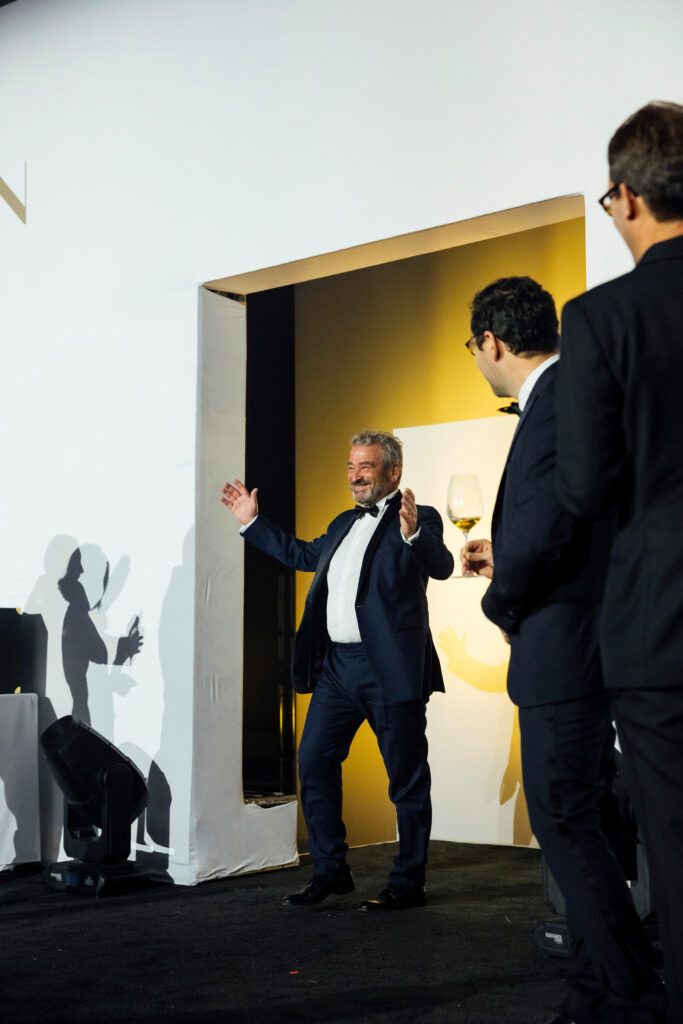
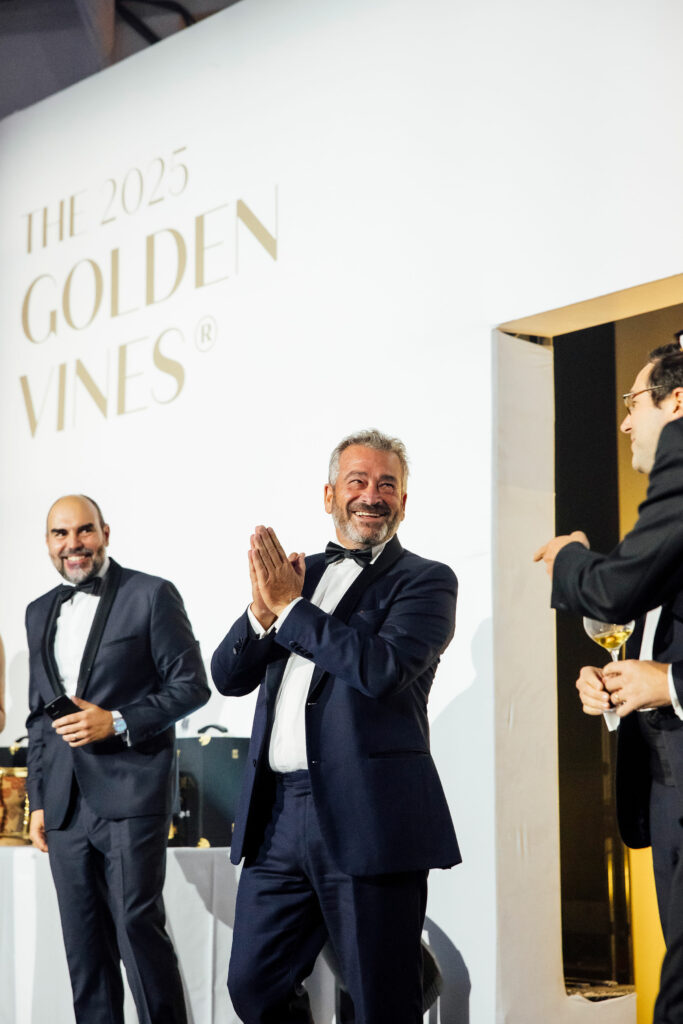
Alessandro Mori’s Brunello was always destined for the big stage. But even he admitted that pouring his 2013 Madonna delle Grazie Riserva from magnum at the 2025 Golden Vines Awards Gala in Miami—lined up alongside Dom Pérignon P2 2008, 1989 Lafite and Colgin IX 2005—felt like stepping out under the brightest spotlight in fine wine. It was, he told me later, the peak of his career: a moment when a lifelong obsession with one hill in northern Montalcino was suddenly, gloriously, centre‑stage.
A Sienese lawyer who chose vines over verdicts
Mori’s path to that Miami ballroom begins in Siena, where he was born in 1961, the son of a prominent lawyer and a pharmacist. He followed the expected trajectory at first: law studies at La Sapienza in Rome, then a career split between legal work and banking. Yet in the background there was always Montalcino, and a house his father Giuseppe had bought not as a business but as a family refuge.


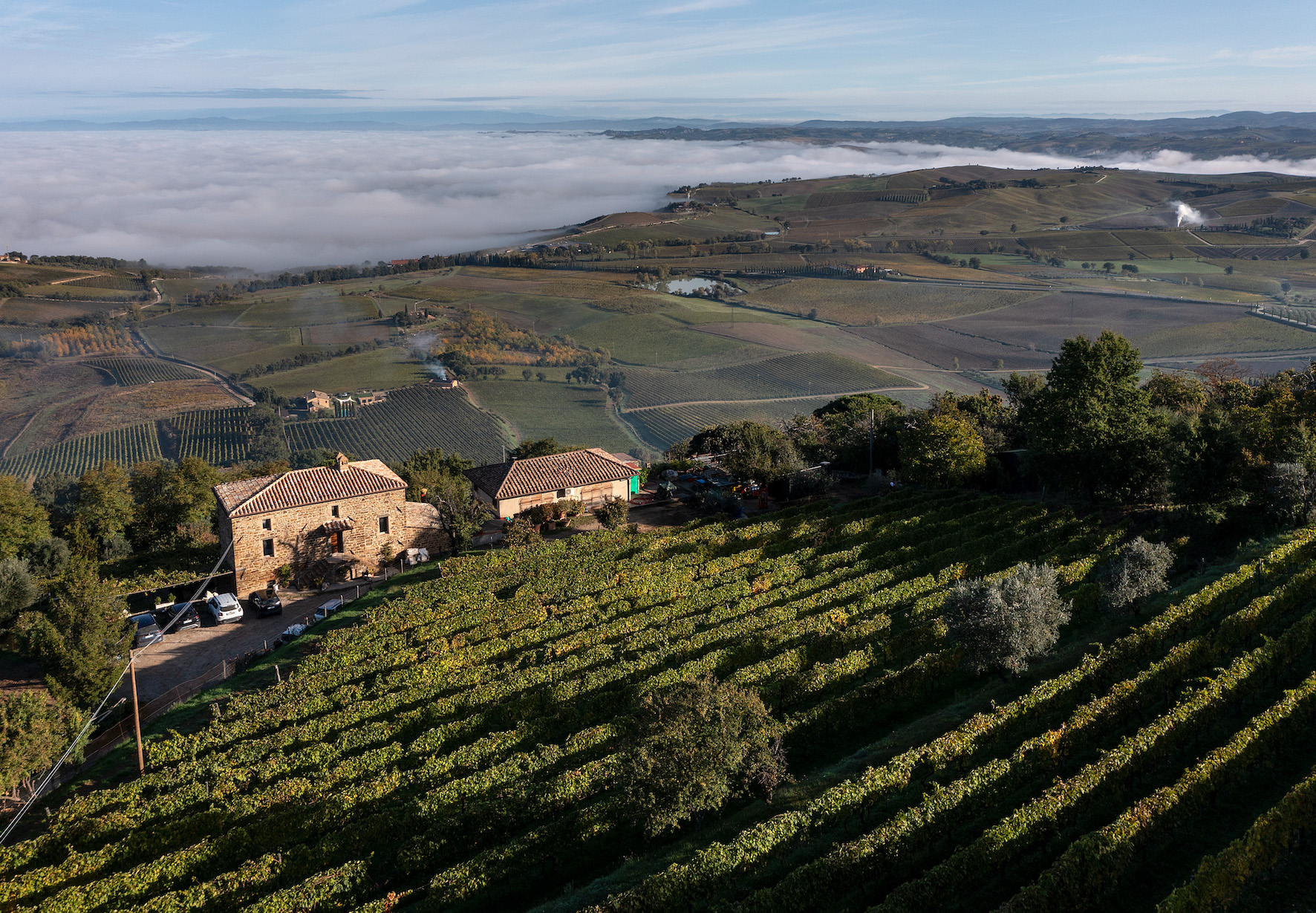
The story of Il Marroneto starts in 1974 over a simple lunch in Montalcino between Giuseppe and a local priest. Giuseppe asked whether there might be a small place in the hills where he could escape with his family on weekends. The priest pointed up towards an ancient stone building just beneath the church of Madonna delle Grazie, alongside the old Via Francigena pilgrim road to Rome—a place where chestnuts, “marroni”, had been dried since the 1300s. Giuseppe barely hesitated before buying it, and the family began spending their weekends there almost immediately.
By 1975, they had planted a small vineyard, intending only to make a bit of Sangiovese for family and friends. The potential of the site revealed itself quickly. In 1980, Il Marroneto released its first Brunello di Montalcino. For Alessandro, this was less a commercial venture than a slow awakening: the realisation that this northern slope, with its bright winds and marine‑flecked galestro soils, could express Sangiovese in a way he felt nowhere else could.
Listening to the wine
If there is a single phrase that defines Mori’s winemaking philosophy, it comes from the late Brunello maestro Giulio Gambelli, who—along with Mario Cortevesio—became Alessandro’s guiding influence. “Listen to the wine,” Gambelli told the young Sienese lawyer. It sounds disarmingly simple, but at Il Marroneto it has become doctrine.
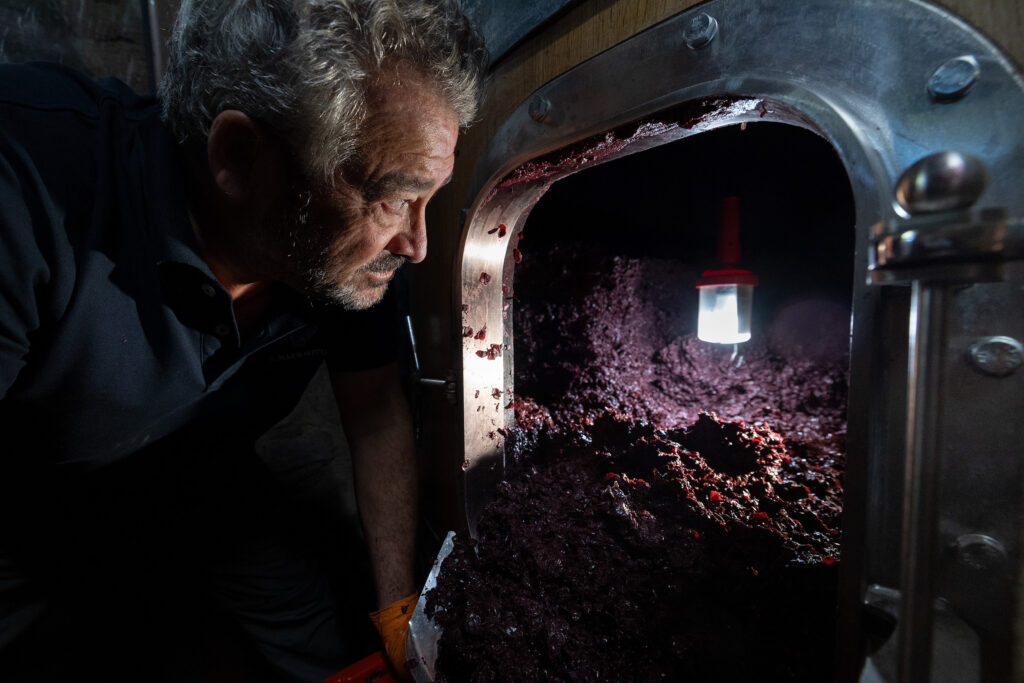
Alessandro’s winemaking journey began in earnest in 1994, when he stepped away from law and finance to take over the estate. From the outset, he committed to a traditional, low‑intervention approach. No artificial fertilisers, herbicides or pesticides. The soils have not been turned since 1989. Fermentations are long; macerations are extended; élévage takes place in large, neutral botti for years rather than months. The methods are not nostalgic gestures; they are a means to a very specific end: transparency of place, a direct line from the hillside below Madonna delle Grazie to the glass.
The vineyards themselves tell much of the story. The first plantings were made in 1975, followed by further parcels in 1977, 1982 and 1983. The underlying galestro—the friable schistous marl that is one of Tuscany’s great gifts—is laced with sand and ancient marine deposits, a reminder that this hill was once the bed of a shallow sea. Altitudes reach around 400–450 metres on the northern slopes of Montalcino, where cooler nights and constant breezes give the wines their signature lift.
A family affair on the northern hill
Today Il Marroneto is nine hectares and four wines, all of them Sangiovese and all of them unmistakably from this place. It is also, increasingly, a family business in the fullest sense. Alessandro’s partner, Francesca, is a constant presence—on the road with him in key markets, welcoming visitors, and, more importantly, keeping the human side of the operation as polished as the wines.
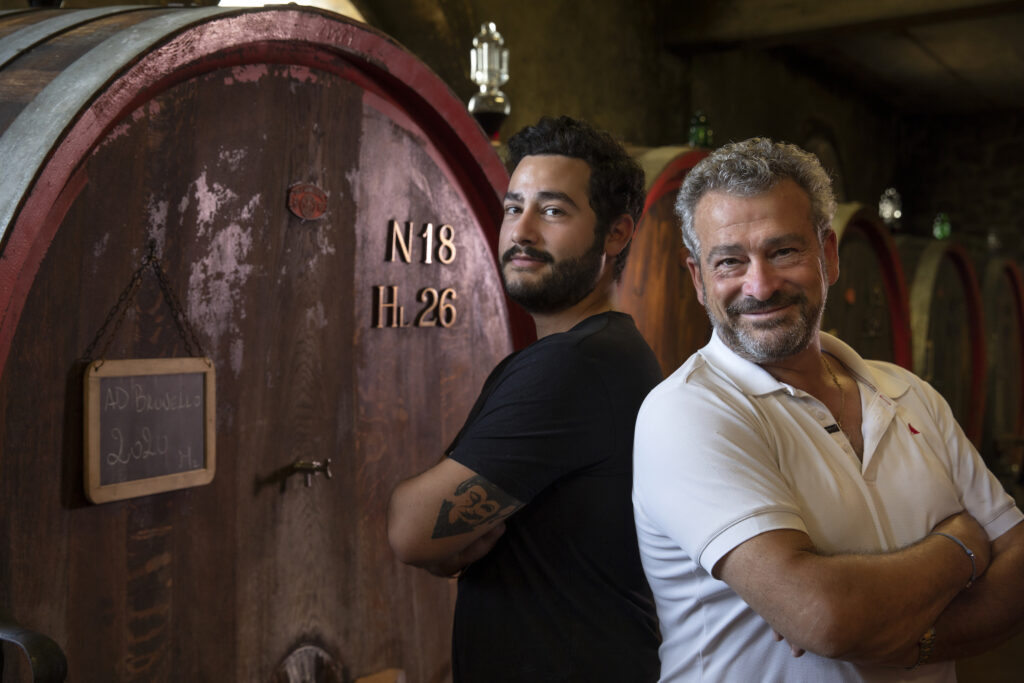
His son, Iacopo, represents the next chapter. He entered the estate early and, since the 2019 vintage, has been responsible for the winemaking, working hand‑in‑glove with his father. Alessandro likes to say that he has passed on everything he knows—yet he is quick to add that Iacopo brings an extra degree of precision, a slightly more meticulous edge that suits the new generation. The approach in both vineyard and cellar remains faithful to the past, but it is being honed rather than frozen in time.
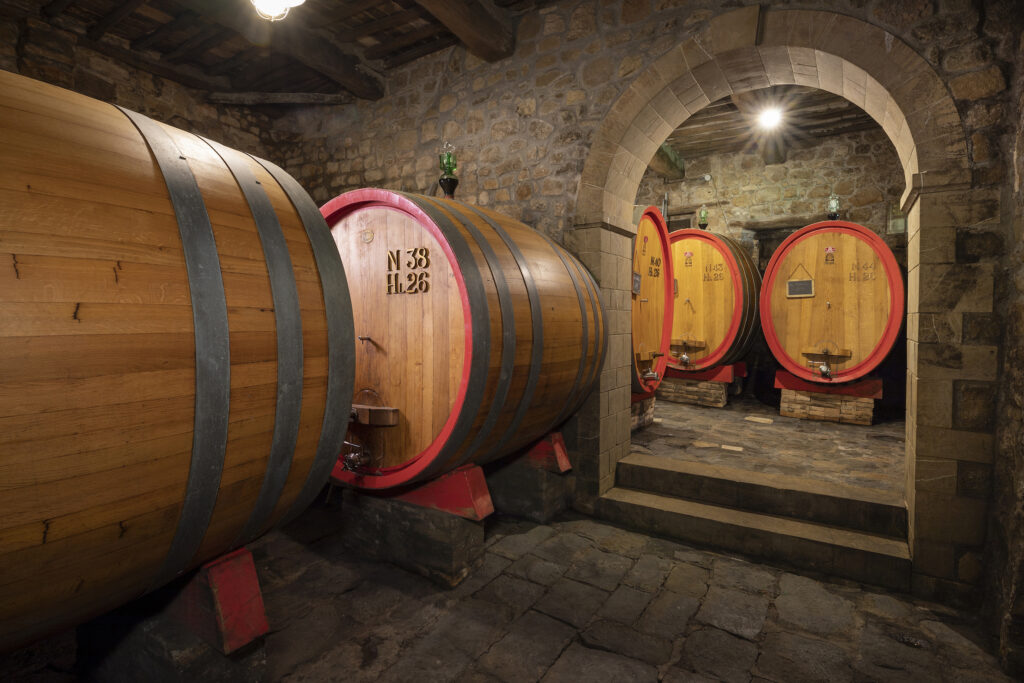
When I last visited, Il Marroneto’s cellar was literally in transition. A new winery is rising, planned for completion in time for the 2026 harvest. Yet the methods remain resolutely manual and instinct‑driven: long, gentle extractions, native yeasts, and a near‑religious commitment to large Slavonian oak. Machines assist; they do not dictate. There is a sense that the wines are being shepherded through stages of their life rather than engineered.
Four wines, one voice
From this small estate come four cuvées, each distinct yet clearly part of the same conversation. The flagship is Brunello di Montalcino Madonna delle Grazie, drawn from a 1.6‑hectare single parcel directly below the church from which it takes its name. This is a high, ventilated slope on the northern side of the village, and the wine reflects it: vertical, focused, with a sense of light under the fruit. Fermentation is with wild yeasts, lasting just a couple of weeks; ageing in large neutral botti stretches beyond 40 months. The aim is not to adorn the wine but to let the site speak at full volume.
Alongside it sits the “straight” Brunello di Montalcino, Il Marroneto’s classic bottling, which, in many vintages, can match Madonna delle Grazie for sheer pleasure. The vines are almost as old; the parcels are all in this same northern sector. In the cellar, the treatment is essentially identical; the principal difference is a modestly shorter time in wood. The result is a Brunello that can feel marginally more built for the table than the podium—no less serious, but perhaps more immediately generous.
The Rosso di Montalcino Ignaccio is selected at harvest from parcels that seem likely to offer earlier drinkability. The vinification mirrors that of the Brunello but is conducted at slightly lower temperatures, preserving bright, red‑fruited immediacy. It typically spends a bit more than two years in large Slavonian oak. In the glass, Ignaccio behaves much like a younger sibling of the Brunello—jovial, energetic, and dangerously drinkable, yet still cut from the same refined cloth.
The most recent addition is the Rosso di Montalcino Selezione Iacopo, a wine that has quickly become a connoisseur’s insider pick. Technically, it carries the modest “Rosso” designation; practically, it is allowed to poach from any corner of the cellar. Iacopo has carte blanche to build his blend from barrels otherwise earmarked for Rosso, Brunello or even Madonna delle Grazie. The result is a wine that dramatically overdelivers on its label—structured, deep and often uncannily close in quality to the estate’s grandest bottlings, while still offering the earlier approachability that Rosso promises.
Total production across the estate is around 40,000 bottles a year. In that context, Madonna delle Grazie is almost a micro‑cuvée: usually between 6,000 and 9,000 bottles. The classic Brunello accounts for roughly 20,000 to 25,000 bottles; Ignaccio tends to sit near 5,000 bottles, while Selezione Iacopo is made in tiny quantities of around 3,000 bottles.
Madonna delle Grazie: from benchmark to Riserva
If Il Marroneto has become one of Italy’s essential addresses over the last decade, Madonna delle Grazie is the principal reason why. Since 2010, this single‑vineyard Brunello has, by some measures, been Montalcino’s most consistently lauded wine, collecting multiple 98‑, 99‑ and 100‑point scores from leading critics. It is now routinely mentioned in the same breath as estates such as Soldera and Biondi‑Santi—producers that have long defined the traditional, ageworthy side of Brunello di Montalcino—and Il Marroneto’s flagship comfortably holds its own on that stage.
The 2010 vintage marked a turning point, establishing the wine as a reference point for classically styled, high‑altitude Brunello. It comes from that same 1.6‑hectare plot beneath the 13th‑century church, and spends just under four years in 26‑hectolitre botti—enough time for the natural complexity of Sangiovese to unfold, but without losing the immediacy and vibrancy that are hallmarks of Il Marroneto’s style. When you taste it today, there is a sense of everything being in its rightful place: perfume, structure and savour all interlocked.
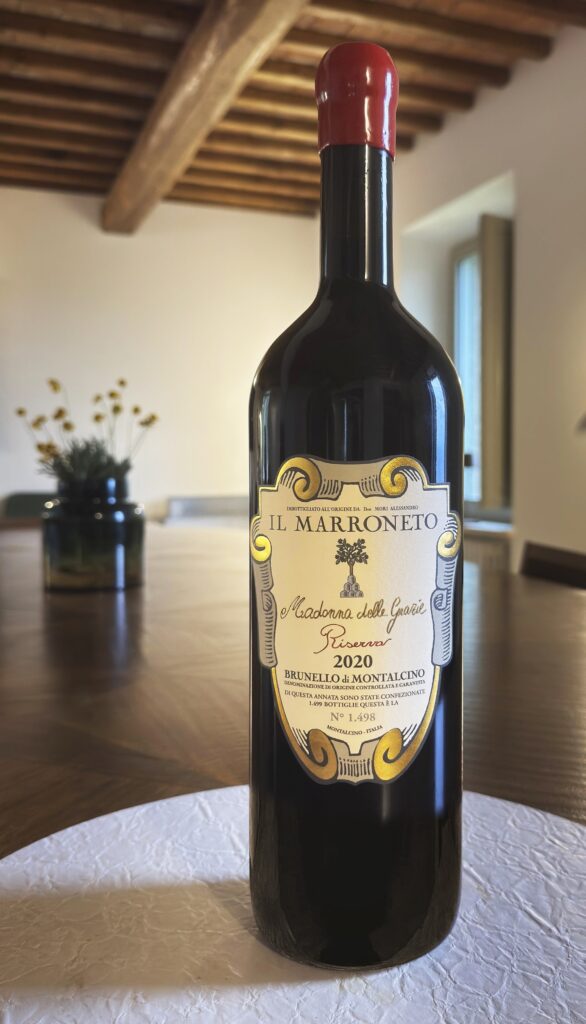
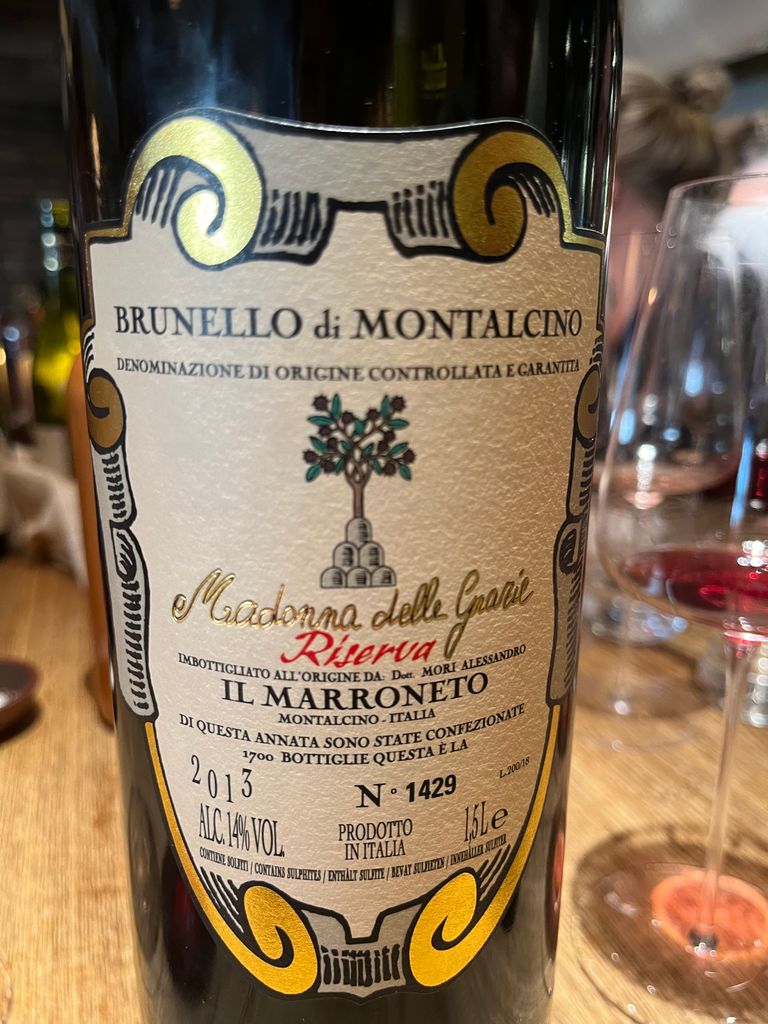
Then came the Riserva. The first ever release of Madonna delle Grazie Riserva was the 2013 vintage, bottled exclusively in magnum, with just 1,500 made. It is not a separate vineyard but a ruthlessly strict selection: a small number of barrels that Alessandro felt captured the essence of the site with even more purity and longevity. The second—and, for now, only other—Riserva is the 2020, again destined to be bottled solely in magnum, again limited to 1,500 bottles.
When I tasted the 2020 Riserva with Alessandro from barrel No. 18, its final resting place before bottling, the wine felt less like a “super Brunello” and more like a distillation of what Il Marroneto has been reaching for since the 1970s. It had the estate’s signature luminosity and lift, but with an extra gear of depth and an almost architectural sense of balance. It is a wine that will, I suspect, be spoken about in the same breath as the very greatest Brunellos of its era.
A life at full tilt
To understand Mori’s wines, you need to understand Mori himself. He is a larger‑than‑life character: effusive, energetic, as likely to be found talking cycling or motor racing as maceration times. He is at his happiest, perhaps, in motion—driving through the Tuscan countryside with Francesca, taking their boat out for a few days off the coast, or opening a bottle of Krug over dinner (a Champagne he has a particular weakness for, and which has fuelled more than a few of our late nights together).
In June 2025, that love of speed caught up with him. I first learned what had happened not from Alessandro but from his son: a message from Iacopo explaining that his father had crashed a motorbike the day before, broken his collarbone, shoulder blade and ten ribs, and was in hospital on morphine—but, miraculously, did not need surgery.
When Alessandro later told the story, he admitted that the accident had shaken him more than he expected. It is not an overstatement to say he is lucky to be alive. In the aftermath, he promised both Francesca and me that the motorbikes were gone for good. When he recounts it now, there is still a flash of the old mischief in his eyes, but also something new—a sense that every future vintage is, quite literally, a bonus.
He channels that second‑life perspective into his work. Alessandro has always been decisive, but there is now a particular clarity to his decisions. He remains deeply hands‑on across viticulture, winemaking, distribution and marketing, yet he is also consciously stepping back to allow Iacopo to take ever greater responsibility. The ambition is not for radical change, but for continuity with refinement.
Friends, markets and a small world at the top
Il Marroneto’s place in the market mirrors its character: focused, high‑end, and built on relationships. The estate works with some of the world’s most serious importers, with a particular emphasis on top restaurants, private clubs and great hotels. In some markets, private clients are an important part of the picture; in others, the focus remains trade‑driven. Alessandro has cultivated close friendships with many of these partners—from Enoteca in Japan, led by Shinji Hori, to Mannie Berk and Blake Murdock at Rare Wine Co. in the US, Brett Fleming at Armit in London and Joost Clarijs in Amsterdam—creating a global network that mirrors his personal, relationship‑driven approach.
Among fellow winemakers, his circle reads like a who’s who of Italian fine wine: Luca Roagna and the Mascarello family in Piedmont; Claudio Fenocchio; in Tuscany, figures such as Luca Sanjust, Elisabetta Geppetti, Bibi Graetz and Martino Manetti. It is a small world at the very top of Italian wine, and Mori is firmly part of that inner circle.
The wines in the glass
The current releases tell the story of where Il Marroneto sits today in practical terms. The 2020 Brunello di Montalcino Madonna delle Grazie, with European retail circa 375 euros a bottle, is the estate’s headline act, a wine that marries intensity with effortless poise. The classic Brunello 2020, widely seen at circa 110 euros, offers a similar register of complexity at a more accessible level and remains one of the great “insider” buys in blue‑chip Brunello.
The two Rossos—Ignaccio 2022, typically circa 50 euros, and Selezione Iacopo 2022, often around 100 euros—demonstrate just how seriously this estate takes its supposedly “lesser” appellation. Ignaccio delivers immediate, joyful pleasure without losing its Montalcino identity. Selezione Iacopo, by contrast, is almost mischievous in how far it pushes the category: a Rosso in name, but, in many vintages, a de facto junior Brunello or better.
Ask Alessandro which three wines he is proudest of, and he returns to Madonna delle Grazie. The 2010 Brunello, which effectively announced the estate to the wider world. The 2013 Riserva, that first, tiny‑production magnum‑only experiment that would end up on the Golden Vines table in Miami. And the 2020 Riserva, tasted from barrel, which feels like the culmination of half a century of quiet, obsessive work on one small patch of land under a medieval church.
In a region crowded with illustrious names, Il Marroneto stands apart not only for the quality of its wines, but for their truthfulness. You taste them and feel that nothing has been forced, nothing tricked out or disguised. It is just Sangiovese, on a northern hill in Montalcino, shaped by a family that has chosen, again and again, to listen.
Lewis Chester DipWSET is a London-based wine & rare spirit collector and writer, member of the Académie du Champagne and Chevaliers du Tastevin, co-founder of Liquid Icons and the founder of the Golden Vines® Awards. He is also Honorary President and Head of Fundraising at the Gérard Basset Foundation, which funds diversity & inclusivity education programmes globally in the wine, spirits & hospitality sectors. The Golden Vines® 2026 will take place in London, UK between 6-8 November 2026, recognising the world’s best fine wine estates as voted by hundreds of fine wine professionals. Please register your interest for tickets on the website: liquidicons.com/work/golden-vines-awards.