With the debut of its long-anticipated Serlas Wing, Badrutt’s Palace introduces contemporary flair to one of the Swiss resort’s most iconic landmarks.
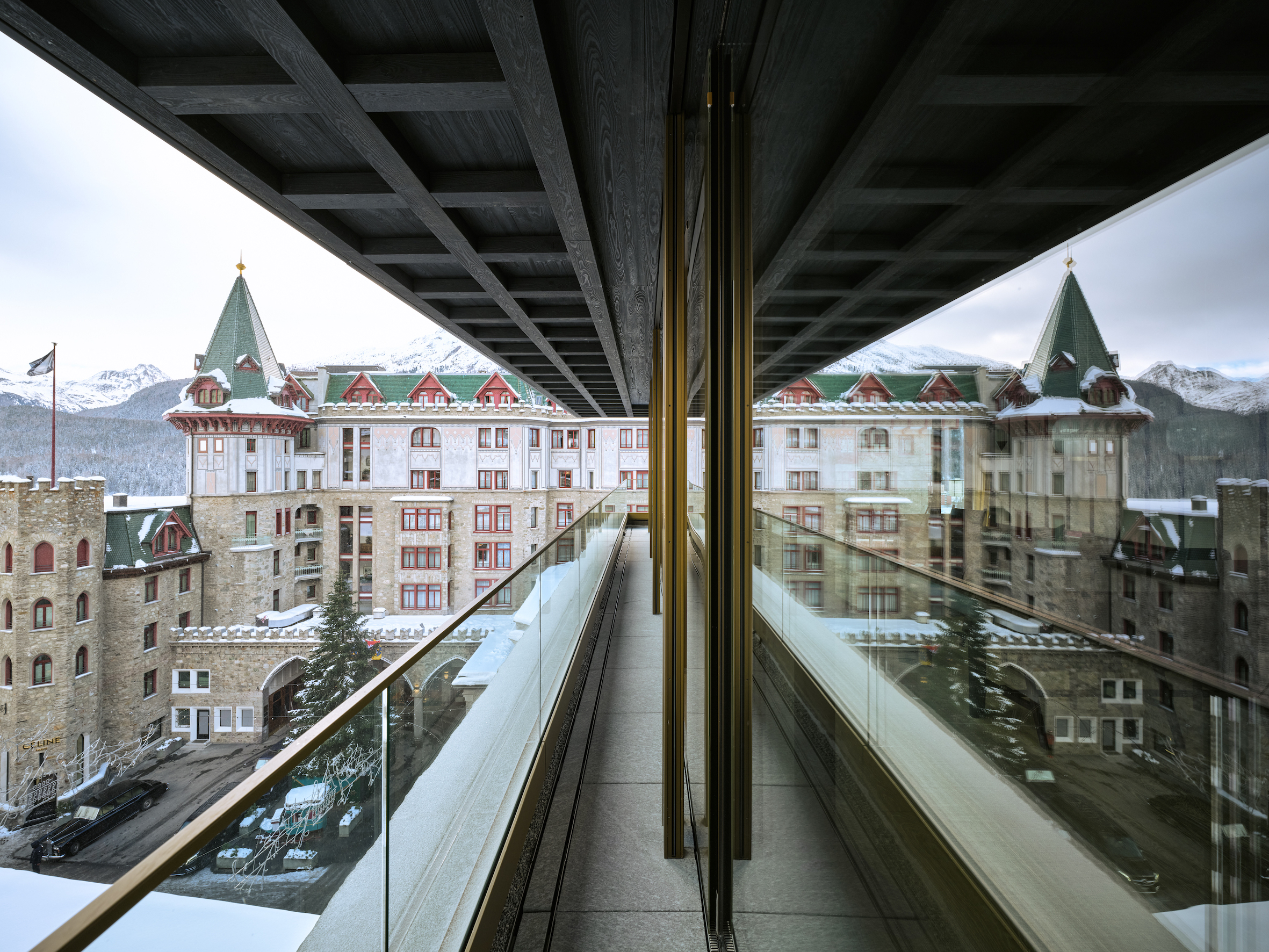
Few hotels are as closely entwined with the tradition of Alpine glamour as Badrutt’s Palace Hotel. For more than a century, the turreted landmark has presided over winter sports, society gatherings and landmark events that helped define St. Moritz as a destination of international standing. The Serlas Wing, which was unveiled this winter season, is the largest extension in the hotel’s 130-year history.
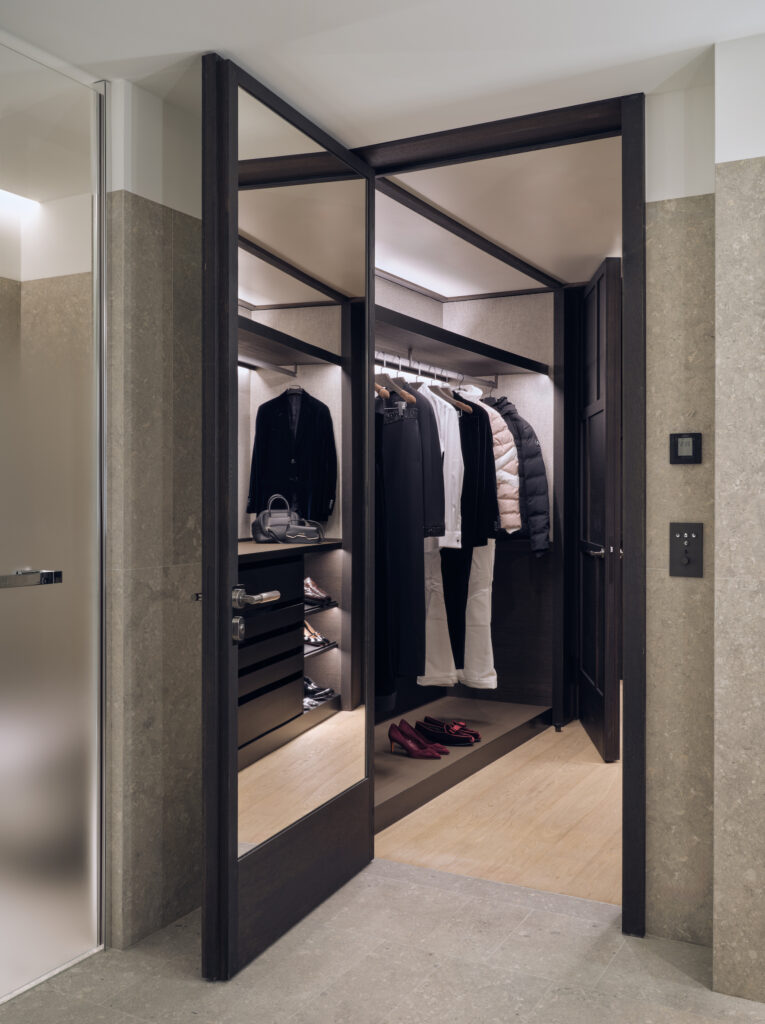
Designed by ACPV Archite Antonio Citterio Patricia Viel, the new-build, six-storey extension fits comfortably into the village skyline. Inside, however, the wing is anything but traditional. Guests enter a triple-height, light-flooded lobby anchored by a sculptural bridge leading to 25 rooms and suites that balance contemporary design with a clear respect for place.


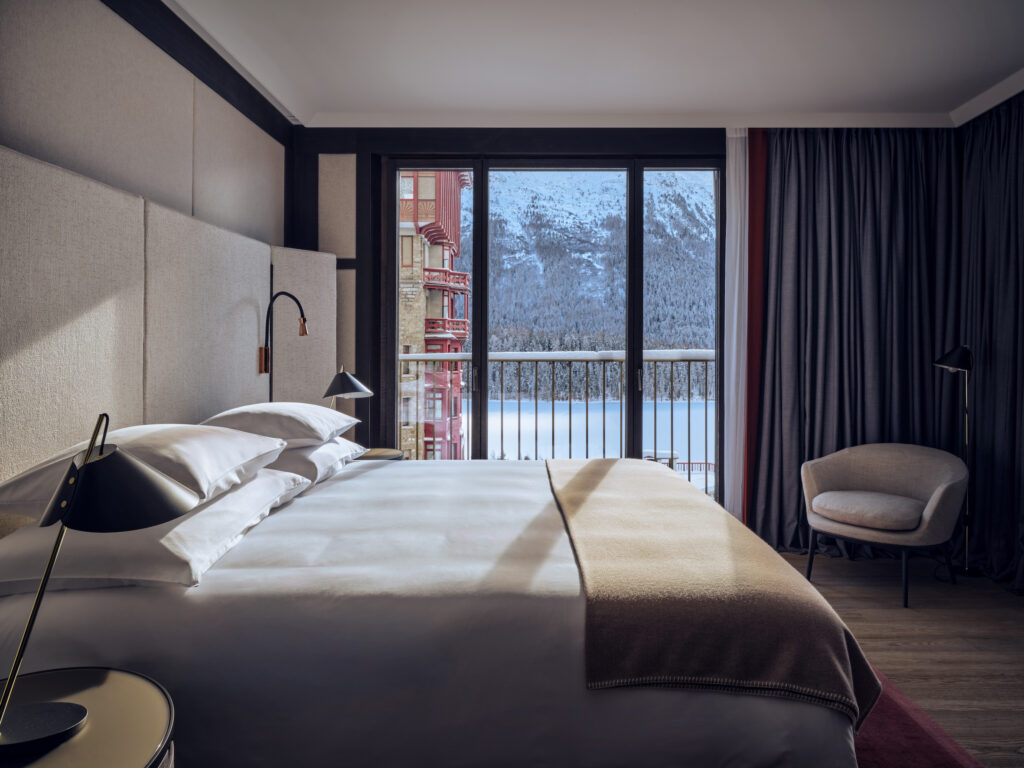
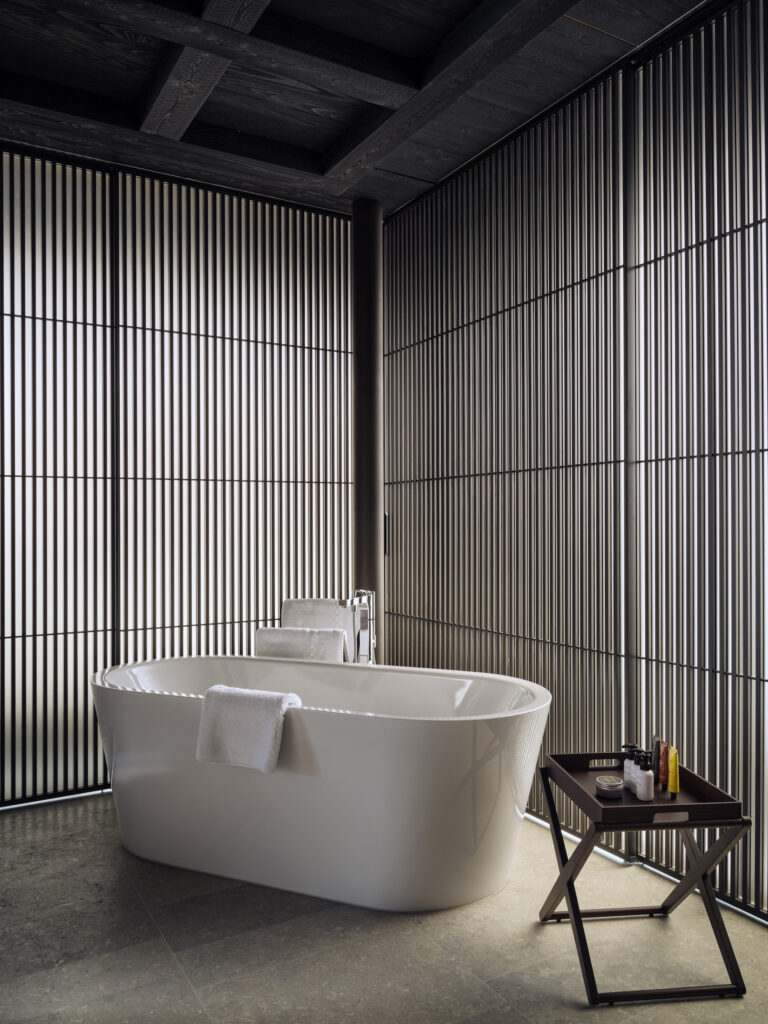
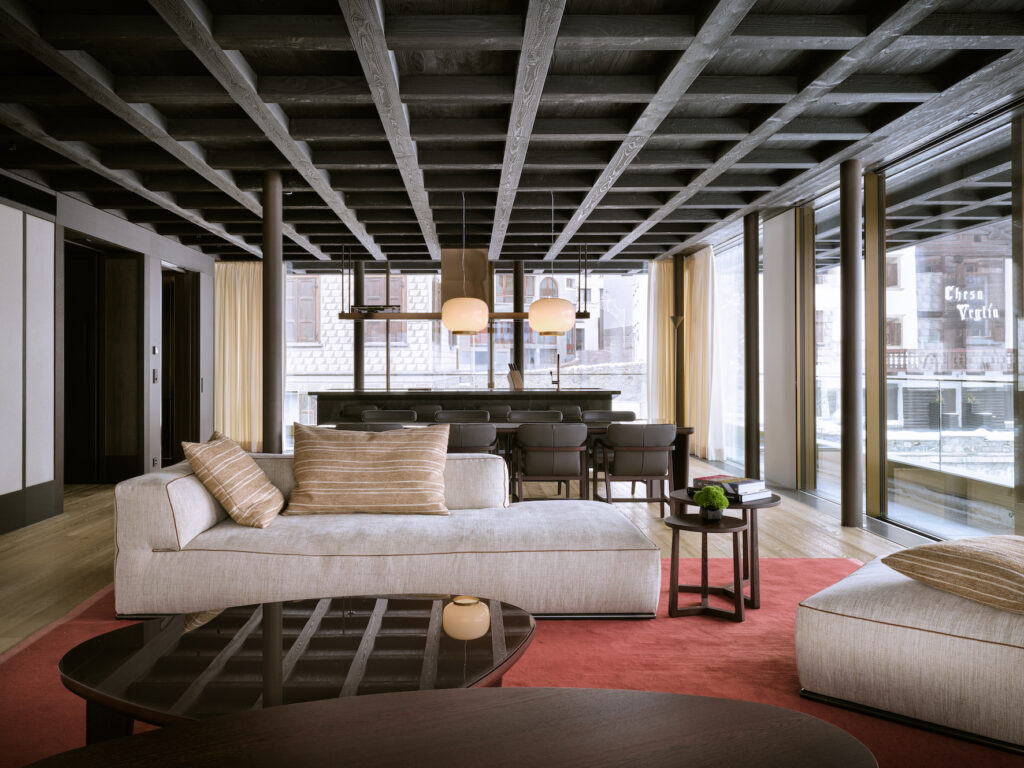
Rooms are notably spacious, with layouts that prioritise light, framed views and an effortless sense of flow. Wool and cashmere fabrics by Loro Piana Interiors appear across wall panels, curtains and upholstery, introducing tactile richness and quiet warmth through natural fibres. Furnishings from B&B Italia and Flexform bring a relaxed, contemporary elegance, while lighting has been finely calibrated to respond to the shifting Alpine light.
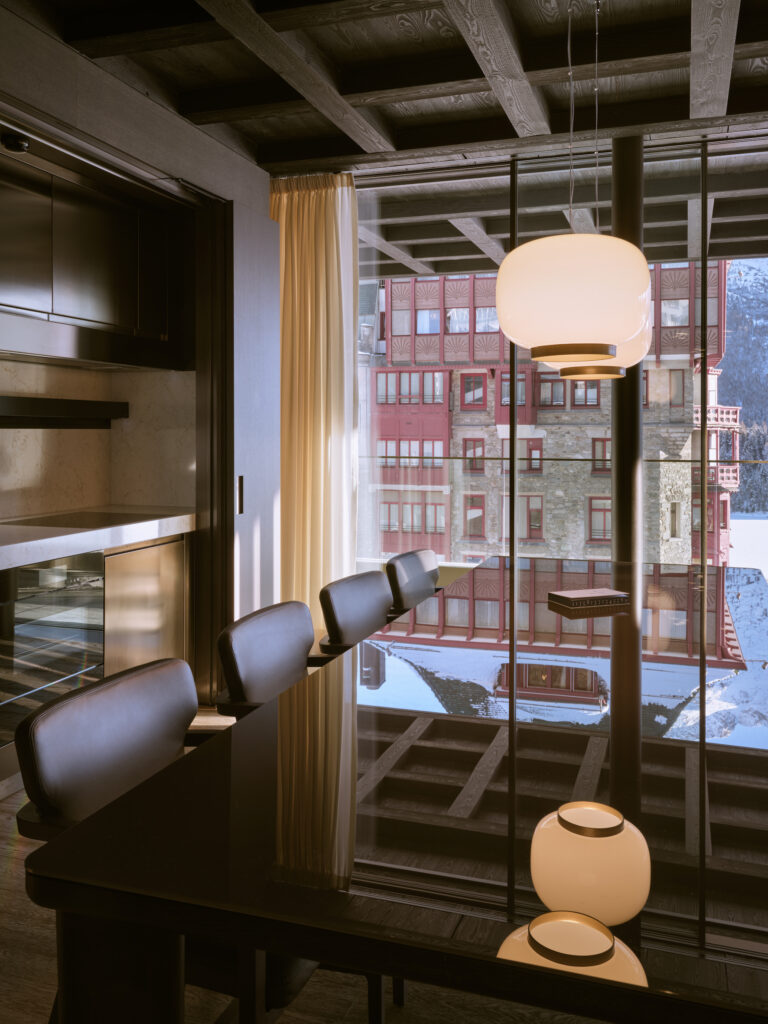
The Serlas Wing marks a deliberate broadening of the Badrutt’s Palace experience. As Alexander Marakovits, Media Relations at Badrutt’s Palace, puts it, the hotel can now offer guests “different concepts, different styles, different interior design” within the same property, with some visitors likening the new wing’s atmosphere to a contemporary design hotel. In the Serlas suites, he explained, the living room is intentionally treated as the heart of the space, designed for lingering rather than simply passing through. The result is a space that feels distinct while remaining firmly rooted in the Palace’s identity.
That duality—heritage and evolution—runs throughout the wider hotel. “We’re a little bit like a club,” Marakovits says, describing a guest profile shaped by long-standing loyalty and familiarity. “Sixty five per cent of our guests are regular guests—they come for generations.” It is a dynamic that lends the Palace a rare sense of continuity, where returning visitors are not just recognised, but deeply understood.
Underground, a discreet passage connects the wing directly to the village square and to Chesa Veglia, the town’s oldest farmhouse—now a celebrated pizzeria and dining destination. The connection is as practical as it is atmospheric, allowing guests to move seamlessly between spaces while reinforcing the sense of a self-contained Alpine world.
Dining remains central to the Palace’s appeal. Across the wider hotel, 11 restaurants—a breadth that’s unusual even by Alpine standards—allow guests to dine somewhere different each night, from Japanese-Peruvian dishes at Matsuhisa to mountain lunches at Paradiso and fondue at Chesa Veglia. The latter, with its low ceilings, timbered rooms and sense of deep-rooted history, offers a striking counterpoint to the modernity of the Serlas Wing.
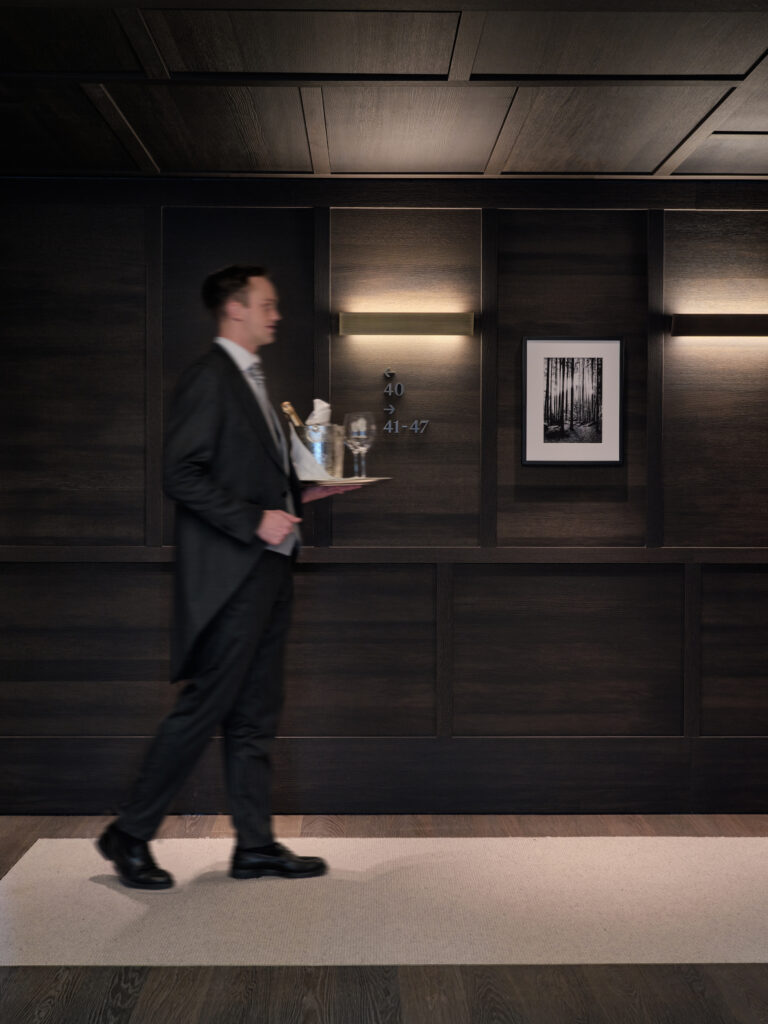
As with all suites at the hotel, guests can take full advantage of the Palace’s signature butler service and access its expansive wellness facilities, including a generous outdoor pool—heated in winter and cooling in the summer.
Service remains a key part of the hotel’s philosophy. Marakovits describes the hotel as “a little bit like a club”, shaped by generations of repeat guests whose preferences are remembered in detail, from flowers to chocolates and drinks. He recalls one guest whose Ferrari was washed while she stopped for coffee; weeks later, she booked two suites for the festive season. Such gestures, he suggested, are not extras but part of the Palace’s logic: small details can have a lasting effect. “Small details can have a huge impact,” he says. “The most important thing is how guests leave feeling.”
The timing of the expansion underlines the hotel’s all-season ambitions. Winters in St. Moritz lends itself to world-class skiing, the legendary Crest Run and events such as White Turf (involving horse-racing, gourmet catering and art exhibitions taking place on the frozen lake) that attract well-heeled visitors in their thousands. Yet the new suites are equally suited to summer, when the Engadin’s trails, lakes and cultural calendar draw visitors for hiking, sailing, golf and classic car events, including the British Classic Car Meeting in July.
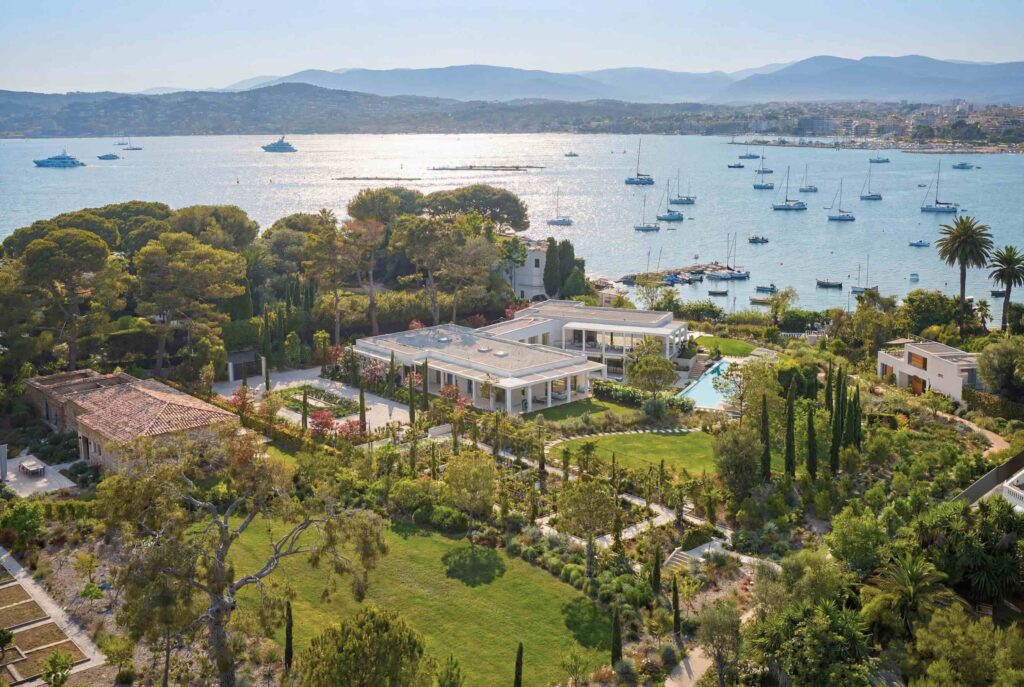
Summer, once the quieter season, has become increasingly important. Marakovits noted that guests who might once have spent the warmer months in destinations such as St Tropez or Sardinia are now looking to the mountains for space, cooler temperatures and outdoor pursuits. The hotel has responded with investment in its gardens, tennis facilities, lake-facing terraces and wellness programming, including yoga by the pool and in the garden.
That seasonal shift is becoming increasingly pronounced. “There is a huge change,” Marakovits says. “Summer occupancy is now 100 per cent.” As temperatures rise in traditional Mediterranean hotspots, guests are turning to the Alps for cooler climates, open space and a different pace of luxury.
The Serlas Wing reinforces what Badrutt’s Palace has long understood: this is a destination that moves seamlessly from ski season to summer without losing its sense of occasion. It simply does so now in a more contemporary way.