As minimalism and maximalism vie for conceptual supremacy, this year’s stellar creations exist in a rarefied orbit of their very own.
The aphorism ‘simplicity is the ultimate sophistication’, widely attributed to Leonardo da Vinci, and more commonly distilled into German-American architect Ludwig Mies van der Rohe’s less-is-more ethos, remains proudly placed at the crest of the zeitgeist. Yet today’s design landscape is defined as much by its rejection of that principle as its embrace of it.
For all the clean-lined minimalism that continues to shape architecture, interiors, furniture and product design, minimalism’s louder, more expressive sibling— maximalism—has been staging an increasingly confident resurgence. For every serenely understated sofa that proves the enduring power of restraint, there is a richly layered interior revelling in colour, texture and theatricality, or a statement piece which seeks to detract people’s gazes from everything else in a room. For every object reduced to its purest essential form, another delights in ornament, exuberance and personality.


What unites the best design, however—and thus our selections here—is coherence of purpose, mastery of materials, craftsmanship and innovation. Our choices on the following pages have been hand-picked to demonstrate that design at its prime need not choose between beauty and utility, timelessness and originality. Permanence and heritage are a natural consequence of clarity and conviction, however quietly or loudly any given creative individual chooses to express it.
Best Design Studio: Pininfarina
How do you build on a design legacy that encompasses gems such as the Ferrari 275 GTB and the Maserati GranTurismo? Especially when the output under your own badge includes the Battista hypercar? For Turin-based Pininfarina, the answer has been to extend its remit beyond the automotive world. Over recent decades, the studio has applied its proportional elegance, seductive contours and engineering poetry to projects spanning watches, architecture, yachts and industrial design.
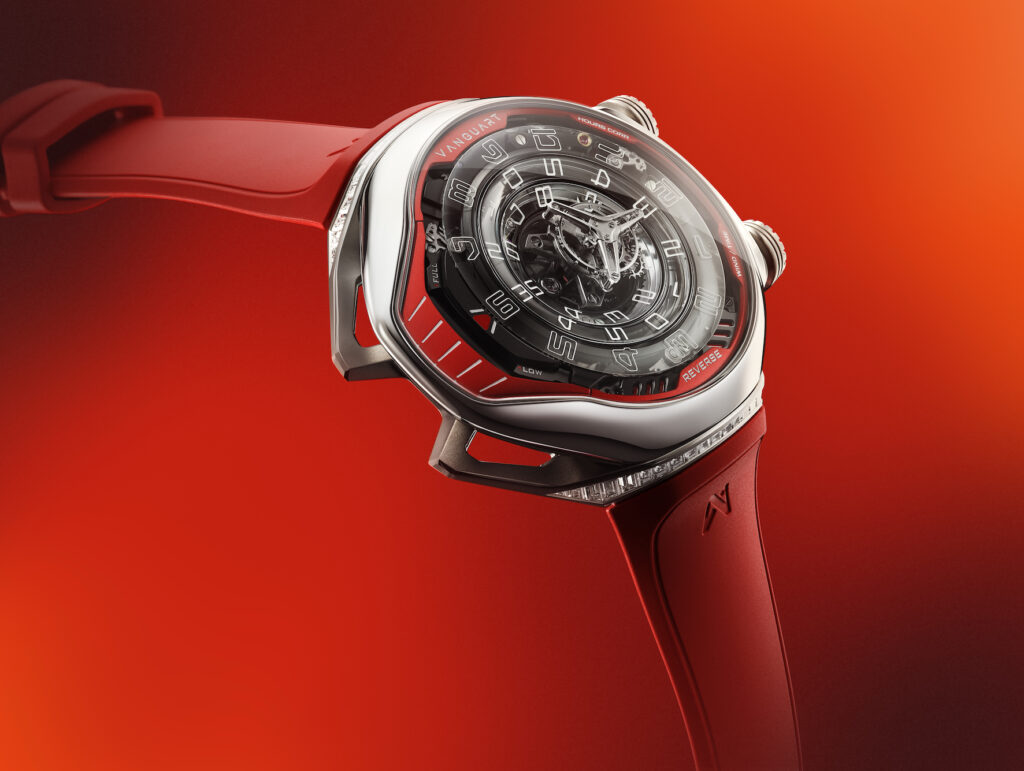
A case in point is its collaboration with Swiss watchmaker Bovet 1822, a partnership that has, since 2010, fused automotive design thinking with ultrahigh- end haute horlogerie. The Bovet by Pininfarina Aperto 1 stands out as a soul-stirring expression of this union.
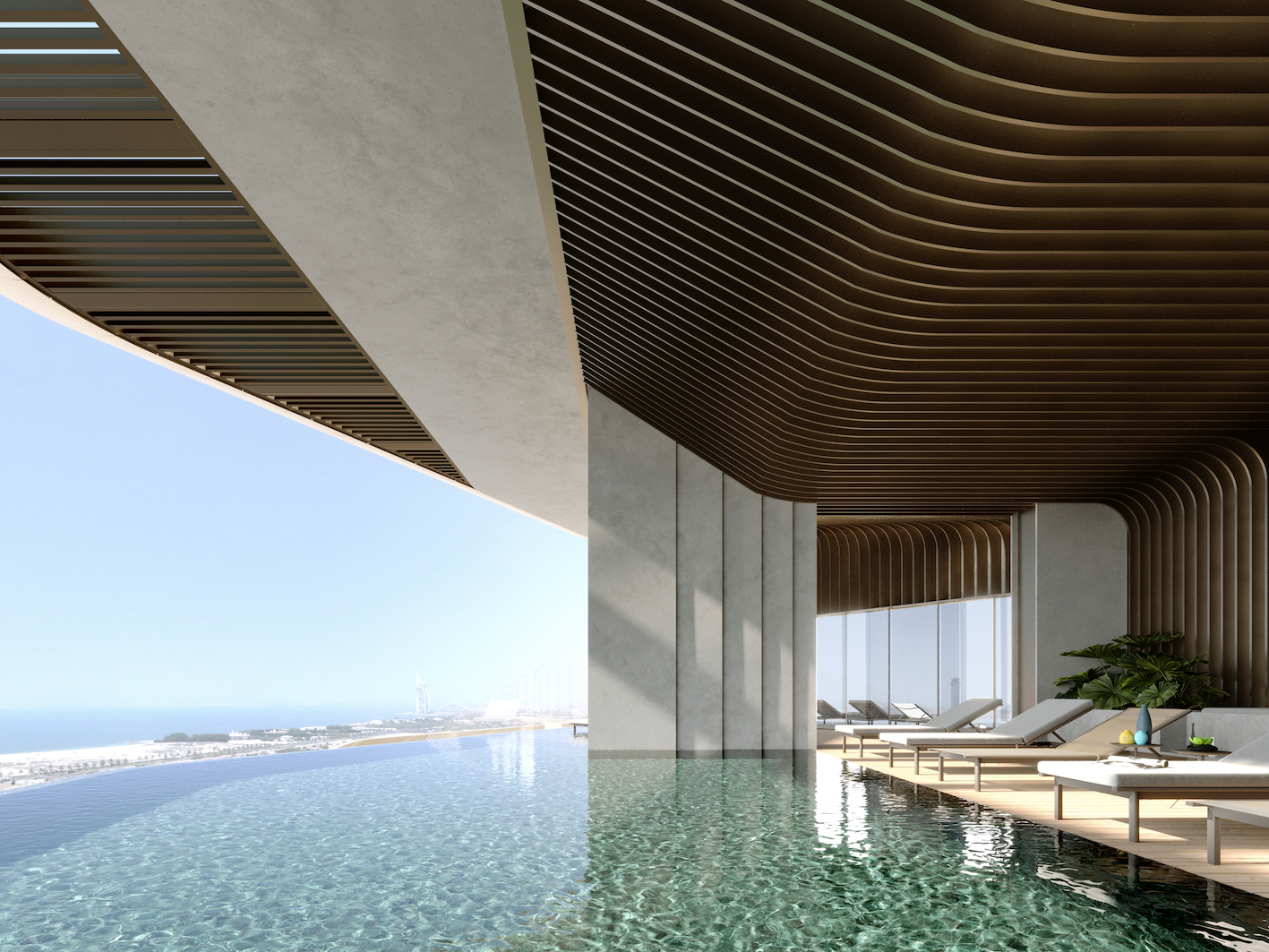
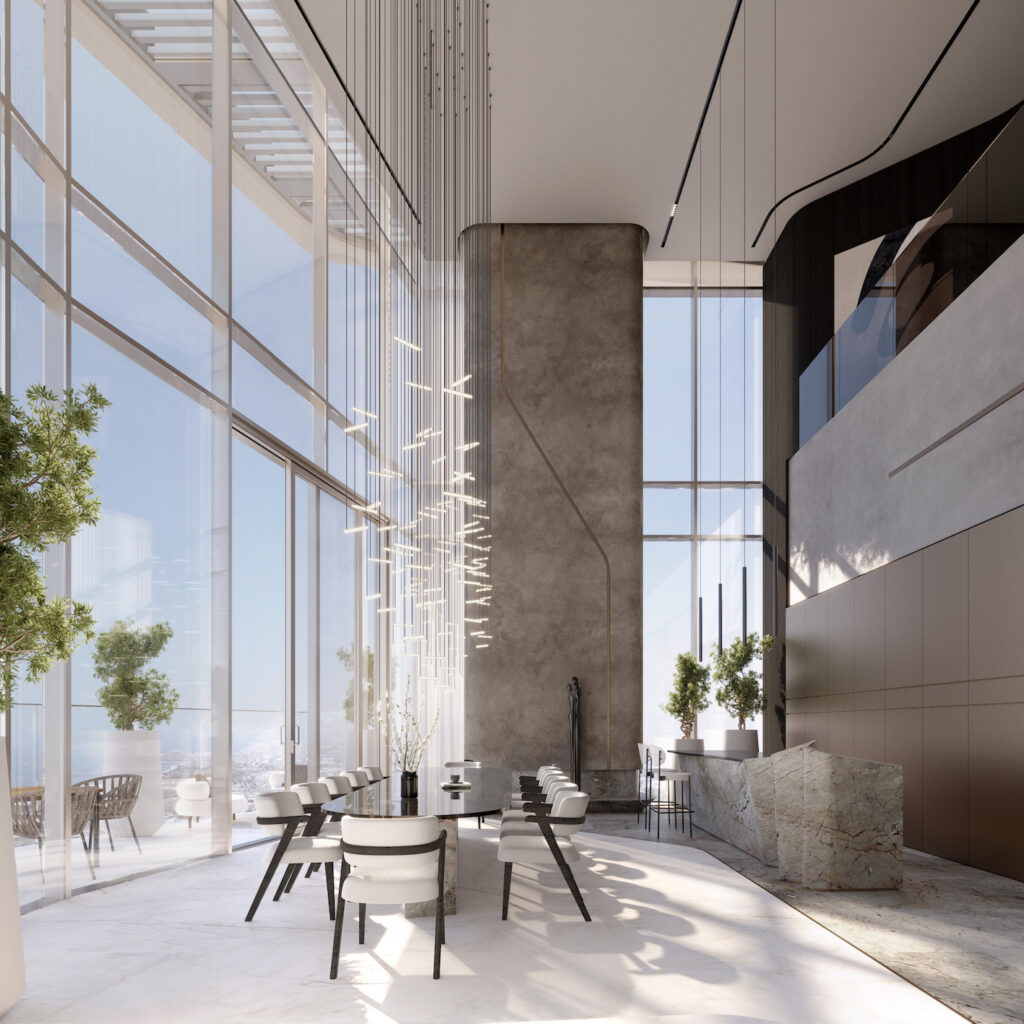
Elsewhere, having injected its dynamism into São Paolo’s luxury residential scene, Pininfarina is now extending its footprint into the Middle East with ICONIC Residences, a project scheduled for completion in late 2027. The 66-storey tower will offer 310 fully furnished luxury apartments and penthouses.
The studio has also ventured onto the water via projects with yacht builder Oceanco. The Kairos concept reimagines the traditional yacht layout as an open-plan gathering space inspired by Mediterranean town squares. And in the industrial sphere, a collaboration with avant-garde Italian kitchen manufacturer Snaidero has brought curves and automotive-inspired detailing into the domestic realm. The legacy continues.
Best Rugs: Maison Moghadam x Eichholtz
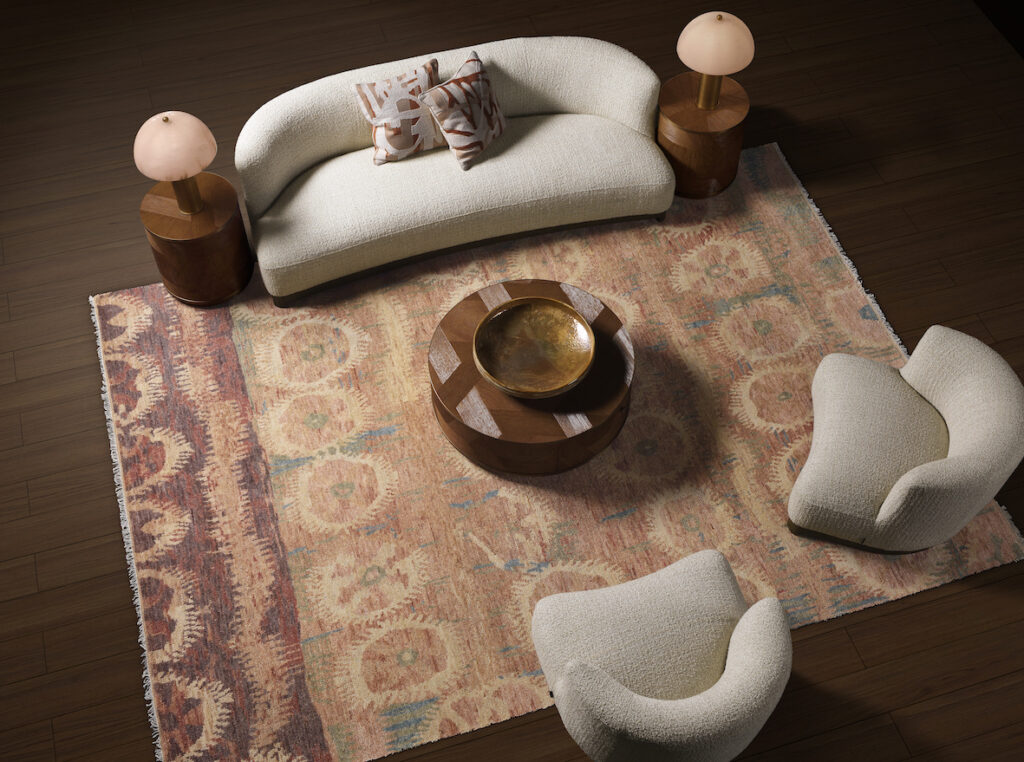
It’s one of the luxury back-stories which was auspicious from its very beginnings. In 1962, Alexander Moghadam arrived in Monaco at the behest of H.S.H. Princess Grace of Monaco to open the Principality’s first purveyor of Persian rugs—then, as now, considered collectible artisanal accomplishments, with history woven into every hand-knotted fibre. Now his son, Kamyar Moghadam, is overseeing the maker’s next creative chapter, reimagining the traditional rug through a contemporary lens.
Now, the house—whose crowning achievement to date is a ceremonial carpet designed for the wedding of H.S.H. Prince Albert II and Princess Charlene of Monaco—has teamed up with Eichholtz (another family business, founded in 1992) to create a five-piece collection incorporating materials which help define each rug’s unique aesthetic identity.
Among the collection’s highlights is Langdon, handwoven from botanical vegan silk and wool. Marlton reinterprets an 18th-century Tabriz carpet with enlarged motifs and a refined contemporary palette, hand-knotted from hand-spun wool. Elsewhere, Blakemore is woven from wool, Tencel and viscose, its contrasting textures and refined fringe creating depth rather than an overt pattern. Featherstone, meanwhile, uses wool and botanical vegan silk to produce subtle variations in sheen and texture that create movement across its surface. Mayfield, employing a fine wool blend, evokes the atmosphere of a lush palm grove. All five are surely now stitched inextricably into both brand’s already rich heritage. Prices from €2,995-€8,995
Best Home Fitness Gear: Technogym Sand Stone Collection
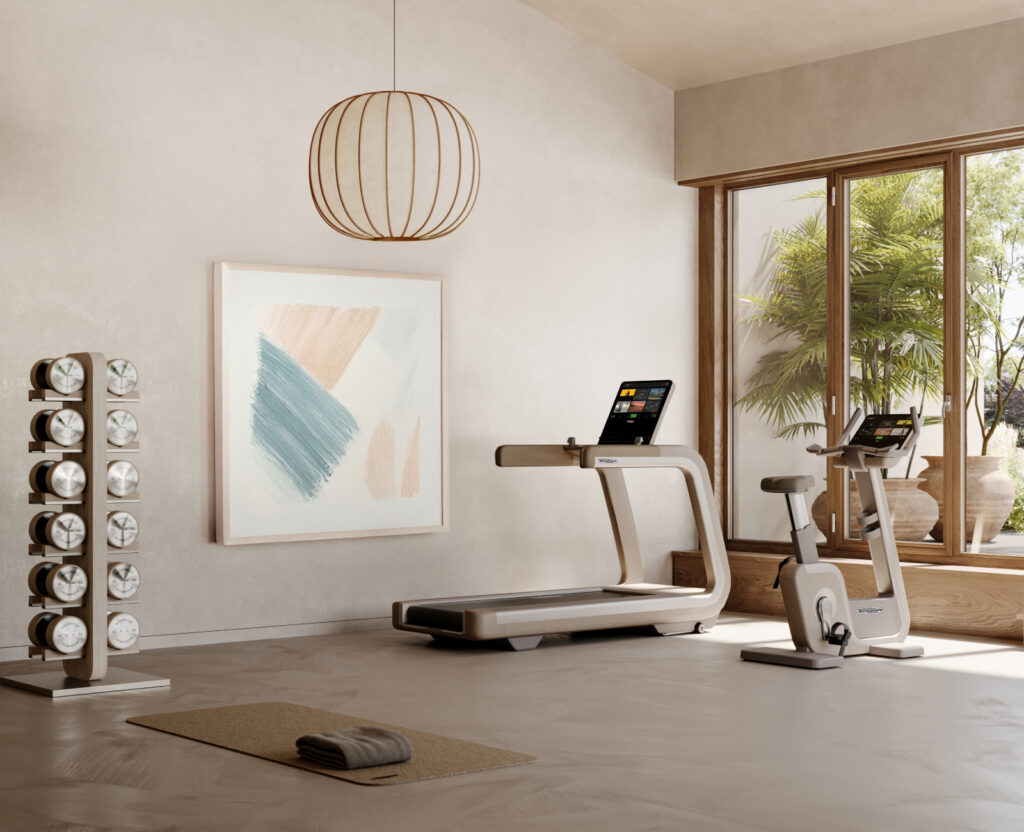
Cars, watches, clothes, gadgets—none of these are limited to visual language that emphasises only their function. So why should our home gym equipment be? That’s the philosophy underlying world-leading sports and leisure manufacturer Technogym’s Sand Stone collection, which reimagines exercise equipment as objects of contemporary design, drawing inspiration from architecture, interiors and natural materials.
Named after a rustic, sandy-hued premium natural stone found around Mediterranean coastlines, the series—designed for homes, high-end wellness spaces in hotels, and design-led fitness clubs—offers elegant iterations of the machinery with which devotees of the Italian maker are already familiar, such as Technogym Reform, and the Biostrength and Artis lines (Run, Bike, Recline, Synchro, Vario and Climb).
Technogym’s dumbbells warrant particular attention. Offered in either Diamond Black or Sand Stone colourways, and available in pairs from 2 kg to 24 kg (in 2 kg increments), each stainless steel dumbbell, for example, comes with a mirror-like finish, while the ergonomic handles are crafted from fine-textured ash wood. Even the weight plates are carefully considered: durable rubber fringes protect both the dumbbell and any floor surfaces. “Like a piece of art,” is how vocal advocate and male supermodel David Gandy describes this normally prosaic piece of kit. Kettlebells, of equal eminence, are also part of the collection.
As stylish an addition to your living space as your audio-visual gear ought to be, this is gym equipment you won’t want to banish to the basement. Around €10,810
Best Furniture: Flexform Groundpiece Sofa
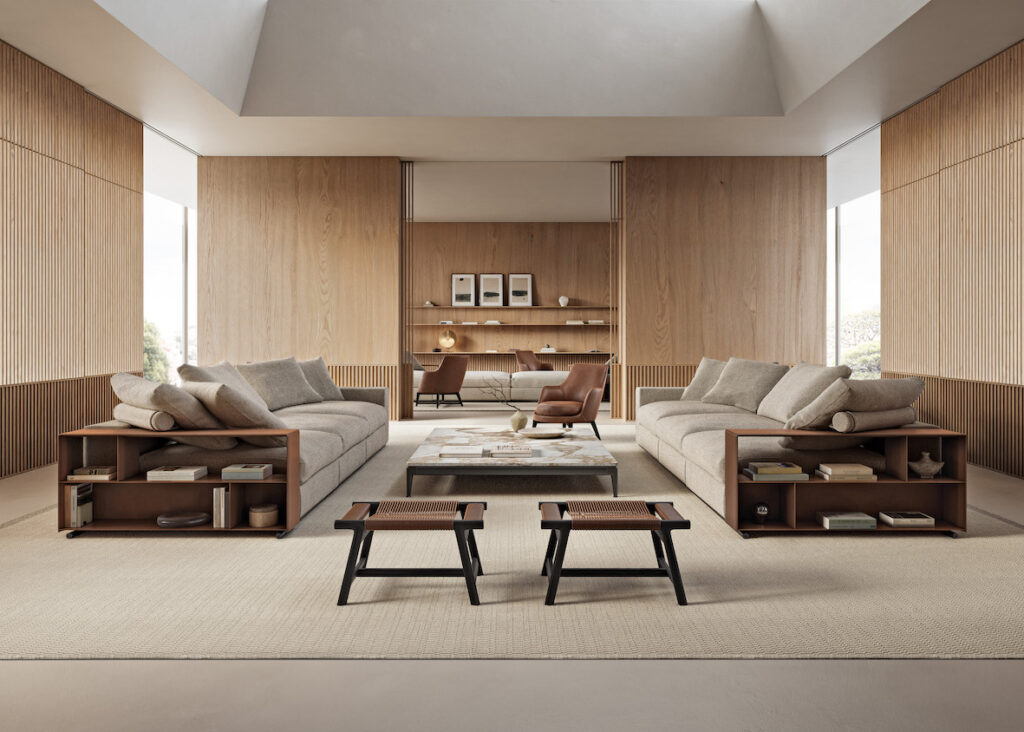
The concept is simple: generous proportions, low-slung comfort and a modular design capable of adapting to almost any interior. And yet, when Milan-based designer Antonio Citterio unveiled the Groundpiece back in 2001, it was deemed radical: a blurring of the boundaries between furniture, architecture and art, heavily influenced by the sculptural works of minimalist American artist Donald Judd.
Over the 25 years since, restraint has battled excess, habits and lifestyles have changed profoundly, yet the Groundpiece sofa has remained a testimony to the fact that true design is impervious to the ravages of time and trend. Upholstered in tactile, natural materials such as linen, cotton and cashmere, its defining innovation is the reimagining of the traditional armrest into an open-faced, leather-clad storage unit—transforming the piece into either a side table, or a nook for housing books, tablets or other decorative items.
The sofa roosts intentionally close to the floor, drawing attention to its pleasing horizontal lines. And it’s this overall aesthetic that keeps Groundpiece genuinely timeless. “When we designed it in 2001, it felt like an idea rich in substance but with little chance of success,” Citterio has reflected. “Too simple, too direct, non-traditional. It wasn’t even clear whether it was a sofa or not.
And yet we found the experiment compelling—this encounter between art and a cushion—something extraordinary, almost paradoxical. So, we went ahead with it. A few months later—success.” Price on request
Best Instrument: The Eye Of Florence By Paoletti Guitars
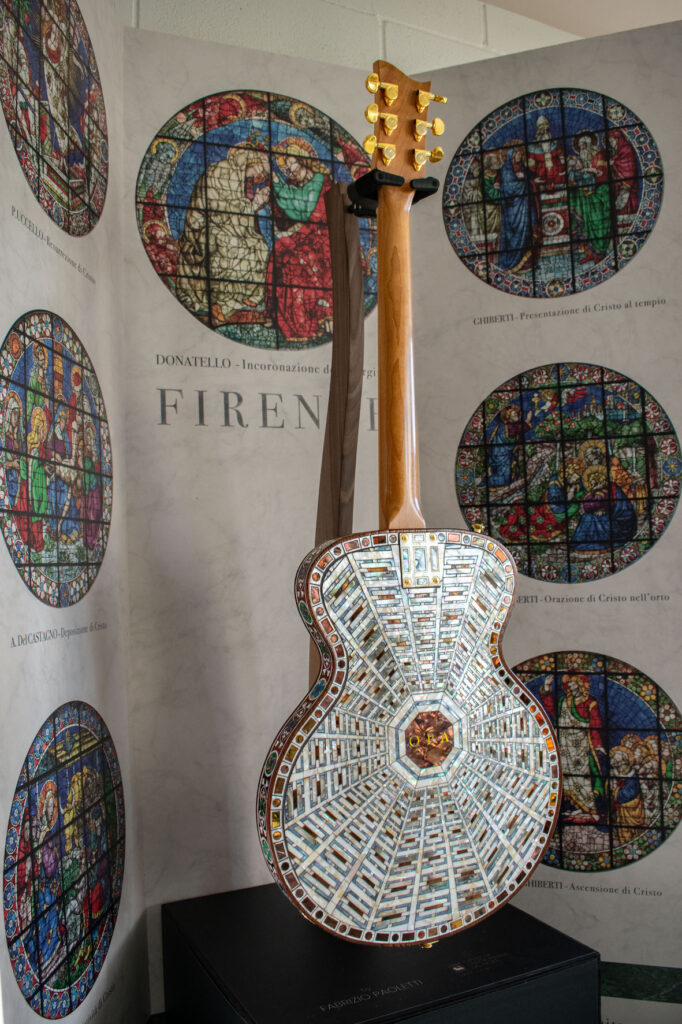
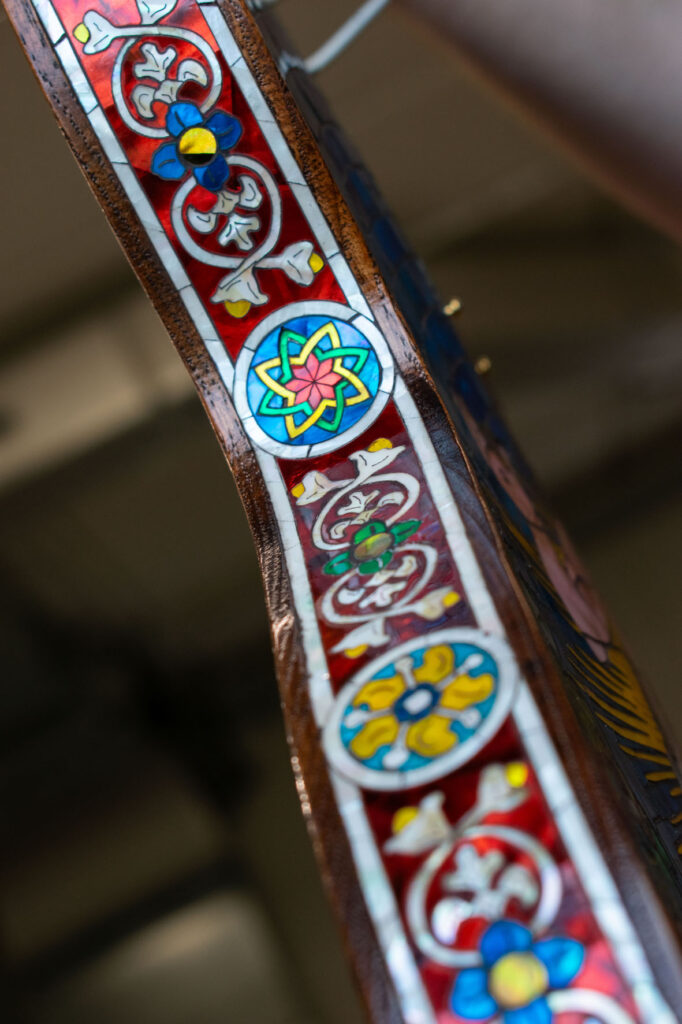
Fabrizio Paoletti, managing director of his eponymous brand, has been crafting unique guitars in Tuscany since 2005. His name achieved broader recognition a few years ago when he began creating instruments out of chestnut reclaimed from 150-year-old wine barrels. His latest eight-piece collection, though, takes innovative material sourcing to giddy new heights—each one paying tribute to the original artistic visions of a host of Renaissance masters.
Inspired by one of Florence’s most iconic landmarks—the stained-glass windows that crown Filippo Brunelleschi’s Duomo, no less—and also handcrafted from aged chestnut, each guitar within the Eye of Florence collection is decorated with more than 6,000 hand-cut pieces of Venetian mother-of-pearl, individually placed to create intricate mosaics across the instrument, while an authentic fragment of marble from the cathedral establishes a tangible connection to the city’s cultural legacy. The 24 k gold-certified coated strings, fine ceramic pickups and hand-carved exotic ebony bridge are likely to also draw envious gazes from the kind of guitar buffs who normally covet vintage Fenders and Gibsons.
Paoletti cares just as much about a guitar’s performance and tactility as he does its appearance, craftsmanship and historical significance. So serious axe-lovers—the type who were probably tempted to bid for Kurt Cobain’s 1959 Martin D-18E, or the Fender Strat with which Pink Floyd’s David Gilmour plucked the famous “Comfortably Numb” solo—need apply. From around €325,000
Best Bed: Hästens Grand Vividus
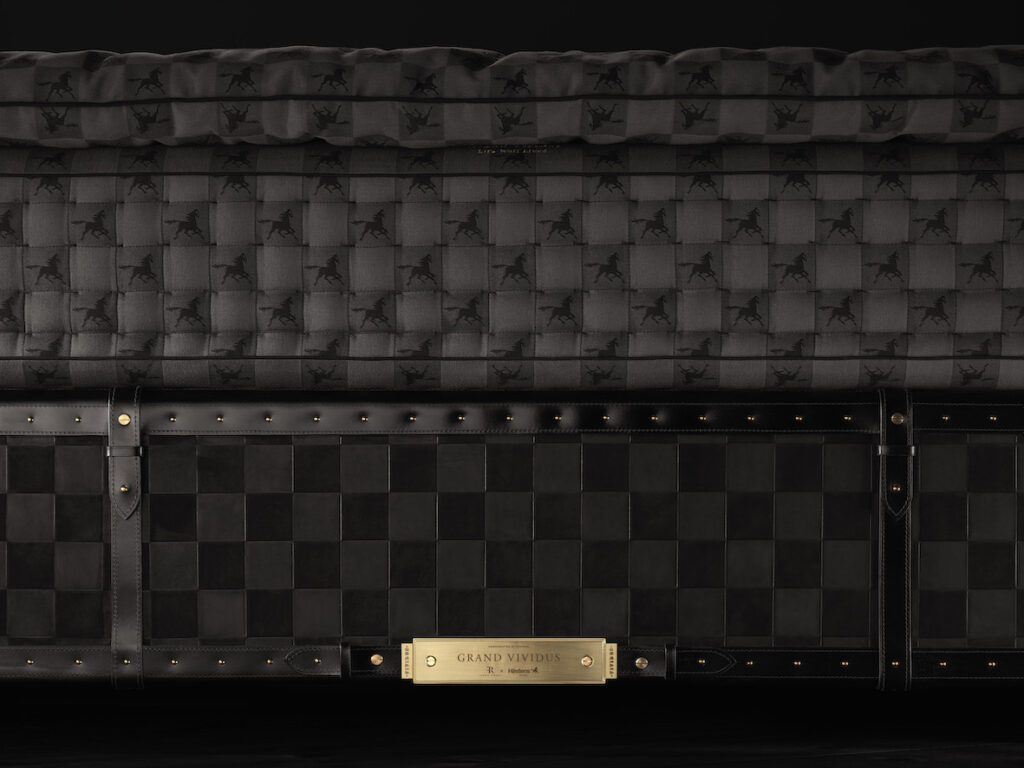
What Aston Martin is to driving, Hästens is to sleep. The Swedish brand’s beds are created with a level of artisanship that combines natural materials and traditional handcraft with meticulous engineering. The mattress here, made up of seven layers of cotton, wool and extra-long horsetail hair, arranged beneath two layers of bolster fabric, nails the form-and-function dichotomy with aplomb. Horsehair—a material deeply entwined with Hästens’ heritage thanks to its origins as a saddlery—plays a starring role, prized as it is for its ability to absorb moisture and release it gradually, helping to regulate temperature throughout the night while providing resilient, spring-like support.
The result is a mattress engineered not simply for comfort, but for a cooler, more restorative night’s slumber. Upholstered in a cotton fabric specially designed by Ferris Rafauli, and offered in four shades—Black Shadow, Traditional Blue, Phantom Charcoal and Natural Shale—the Grand Vividus is available in dimensions of the client’s choosing, up to 305 cm x 305 cm. Prices start at around €595,000—in the scheme of things, not a sum to lose any sleep over.
Best Objet: Asprey London Leonardo Frigo Globe

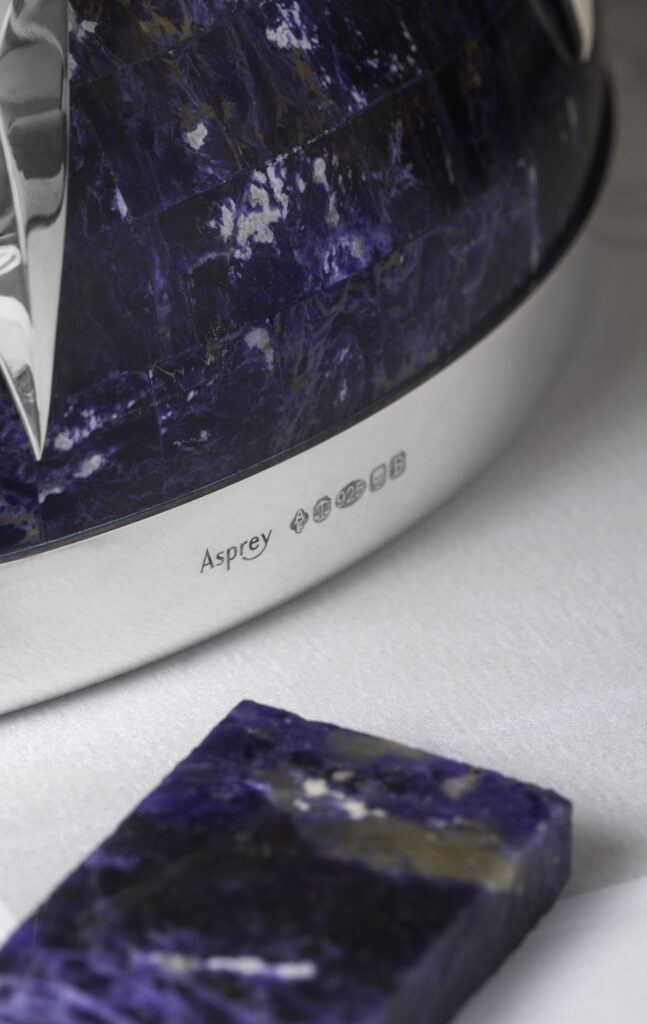
Specialising as it does (among much else) in imperial jadeite, silk scarves made in Italy, and jewellery made with Colombian emeralds and pearls from the South Seas, Asprey London can be deemed one of the world’s more worldly luxury makers. So, a globe is a fitting new addition to the repertoire of a company founded in 1781, as a silk-printing and luxury goods business. Here, they’ve teamed up with Leonardo Frigo, the London-based Italian who specialises in handmade terrestrial and celestial globes, to create a limited-edition piece, using techniques, adapted by Frigo, from a 17th-century Venetian manual.
The base is fashioned from a mosaic of sodalite stones, selected for their rich, blue hues and natural veining—evoking the world’s oceans—and is adorned with 3D-modelled silver compass points, which emerge up towards the terrestrial sphere above. The effortlessly fluid rotating mechanism is something we only wish we could depict on paper. Limited to just six examples and available only by commission, the globe is a part of Asprey’s 245th anniversary celebrations. Around €54,350
Best Chaise: Poliform Ernest Chaise Longue
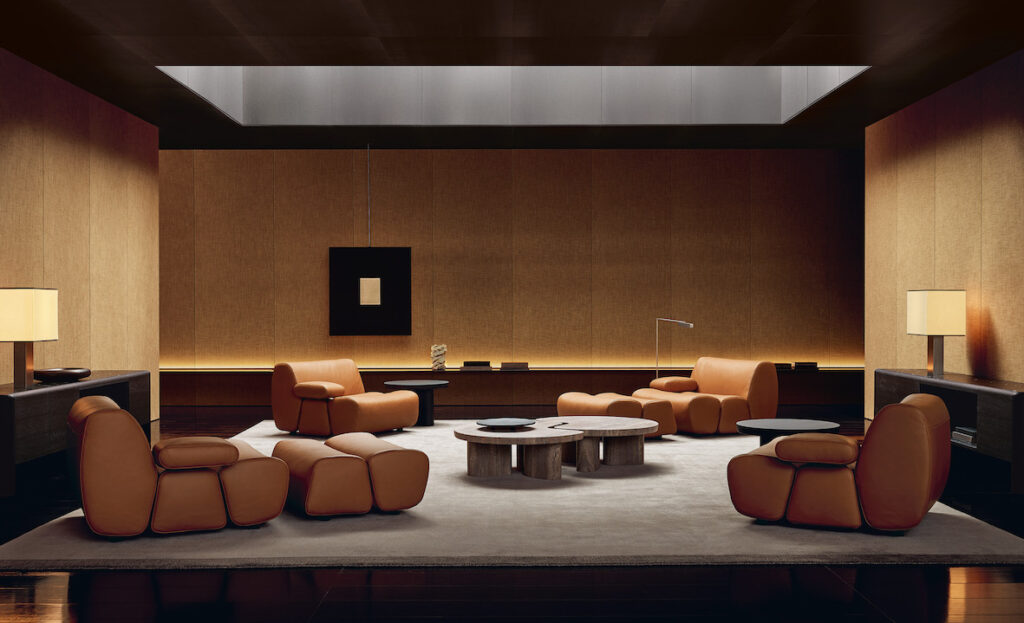
Some seating intended for lounging can have a bad (read: shabby) reputation. But in the instances when done properly, it can be exquisite. Take Poliform’s Ernest Chaise Longue by Jean-Marie Massaud, which has laid-back appeal but is infused with modern style in equal measure. “Ernest was designed approaching the concept of comfort in a radical way,” Massaud says. “The result of this design method—where modularity becomes a core strength—is a collection defined by soft, deconstructed volumes inspired by a feather cushion, offering a natural sense of cosiness.
By combining different elements, it is possible to create multiple compositions without ever losing the expressive power of the design.” Notably, the leather option has a fitted cover that can be easily removed, either for maintenance or simply a change of scenery on the colour. And enthusiasts of the line will be pleased to know that Massaud has also fashioned a series of coffee and side tables that interlock with the chaise. Price on request
Best Lighting: Idogi Sirio Chandelier
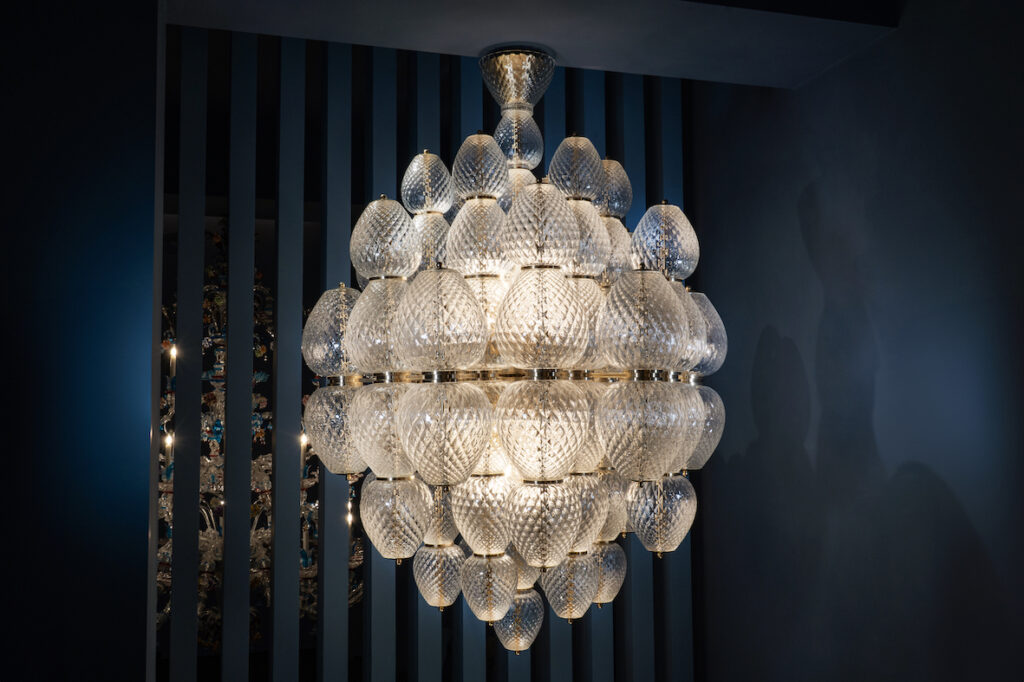
At Salone del Mobile in Milan—the World Cup of design—it takes a lot for a chandelier to wow. The Italian peninsula is, after all, the birthplace of Murano glass, among other icons. And yet the 60-inch span of Sirio by Venice-based firm iDogi was nothing less than transfixing when it debuted at the aformentioned exhibition. Diamond patterns within the handblown glass emit lightrefracting textures, while its ovoid shapes hang in a cluster that feels both organic and celestial.
With 36 indiviudal lights, it’s easy to imagine the piece stealing the show in expansive lobbies, highceilinged salons or indeed anywhere it’s placed. “Designing a chandelier always starts with a simple question: What will the light be?” says owner and designer Domenico Caminiti. “With Sirio, the challenge was to come closer to the stars— to hold, even for an instant, a fragment of infinity.” Although that may sound like hyperbole, the effect of this illuminating sculptural pendant is nothing short of otherworldly. From around €130,000