Bacchanalian London private members’ club Tramp opens its high-tech wellness sanctuary. The phrase “living well” just got more multifaceted.
Mick Jagger and Keith Richards ramped up its rock-and-roll reputation with regular visits during the 1970s. Jack Nicholson and Warren Beatty would prop up the bar when in town around the same era. George Best and Michael Caine reportedly squared up there. And regular Kate Moss’s turn on the decks one memorable, and debauched, night in 2015 had revellers literally swinging from the chandeliers.
Tramp, the gloriously debauched, 1969-established Jermyn Street nightclub—which closed down in 2023 and then reopened the following year after a £12 million makeover—is not the first London celebrity nightspot one would associate with wellness. But these are different times, and the club’s new sister establishment Tramp Health, a 16,000 ft², high-end wellness sanctuary at 30 Grosvenor Square (it’s attached to the Chancery Rosewood hotel), is surely a response to a new zeitgeist whereby hedonists and health-junkies alike see serious gym effort as a part of their routine.


“Tramp Health will bring together people who traditionally lived in separate worlds,” Luca Maggiora, the Italian hospitality entrepreneur who purchased Tramp in 2023 explains. “Those driven by fun, connection and social energy, and those focused on performance, longevity and self-mastery. The same member who is at Tramp late at night is in a Pilates class at Tramp Health the following morning. This creates a new type of member—socially intelligent and increasingly conscious about how they live and sustain their energy.”
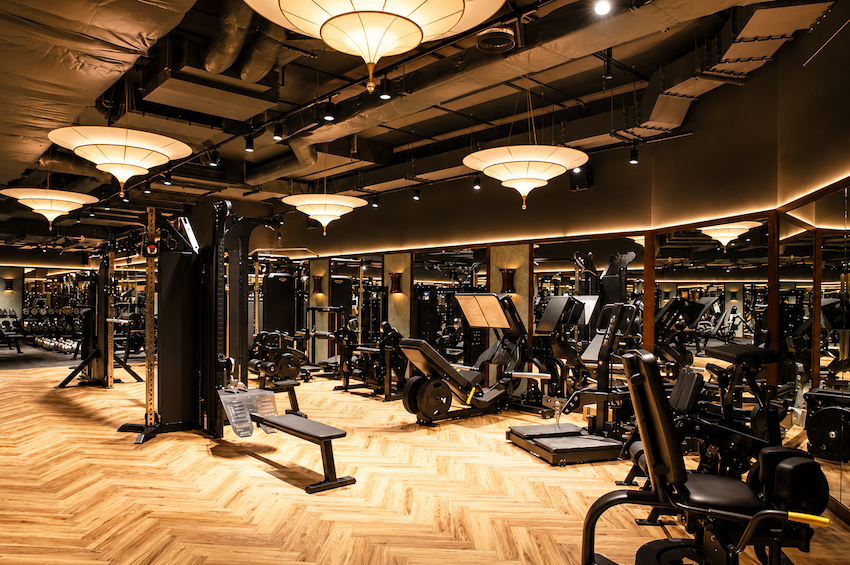
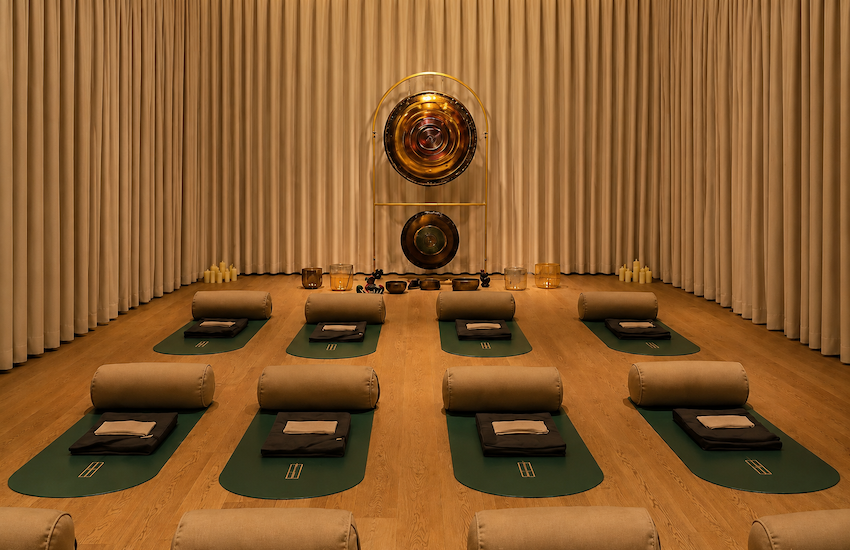
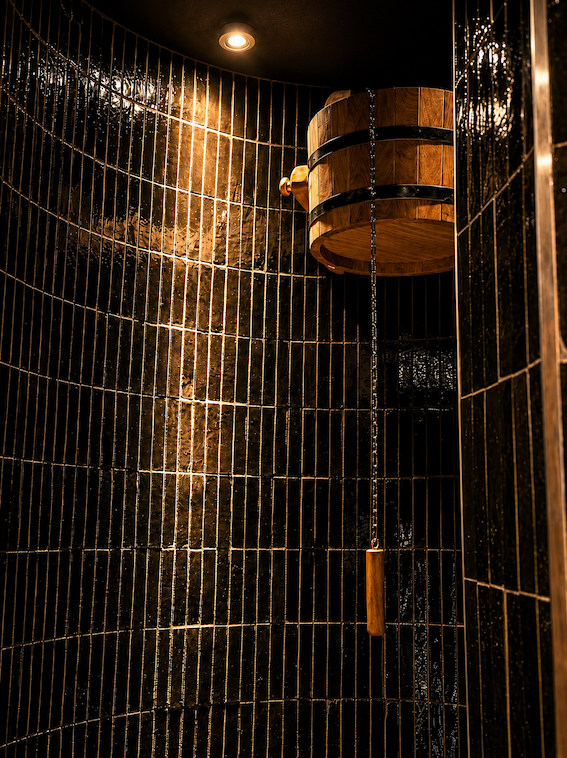
Facilities include saunas, steam rooms, cold plunges, a 3,000 ft² gym, Pilates studios, plus zones devoted to IV therapy, hyperbaric oxygen sessions and red light treatment. Diagnostics services are overseen by longevity pioneer Dr. Mark Mikhail, while beauty treatments are led by skincare expert Libi Roos. Existing Tramp members will pay £390 per month for access, while non-members can join having been vetted over interview by Luca Maggiora, with costs set at £10,000 annually plus a £5,000 joining fee.
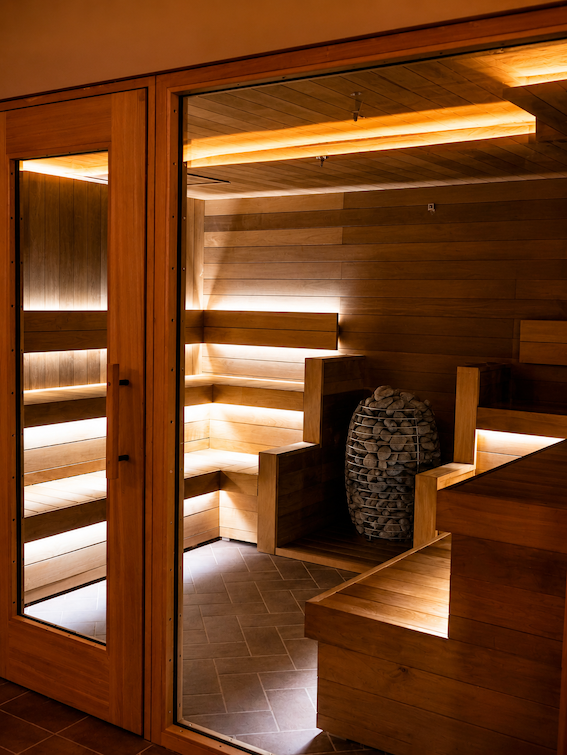
“This ensures the community is not transactional but built on familiarity and trust,” explains Maggiora. “You’re not surrounded by strangers but by people you already know, now sharing a more personal side of life. In a city where wellness can feel clinical or impersonal, Tramp Health will feel human. The clientele is defined by one shared decision—to live well without giving up living fully. What clients will experience at Tramp Health is not just a wellness offering, but an ecosystem. Most wellness spaces in London are either clinical, performance-driven or purely aesthetic. Tramp Health transcends this.”
Technology plays a guiding role, steering members towards strategies and treatments which befit their lifestyle, behaviours and routine. “The difference starts with integration,” says Maggiora. “Movement, recovery, nutrition, diagnostics and mental wellbeing are not separate services, and most importantly, clients are not left to navigate it alone. Our system adapts to them. Daily recommendations are driven by the Tramp Health AI App and there is a dedicated team that understands their habits, lifestyle, and goals.”
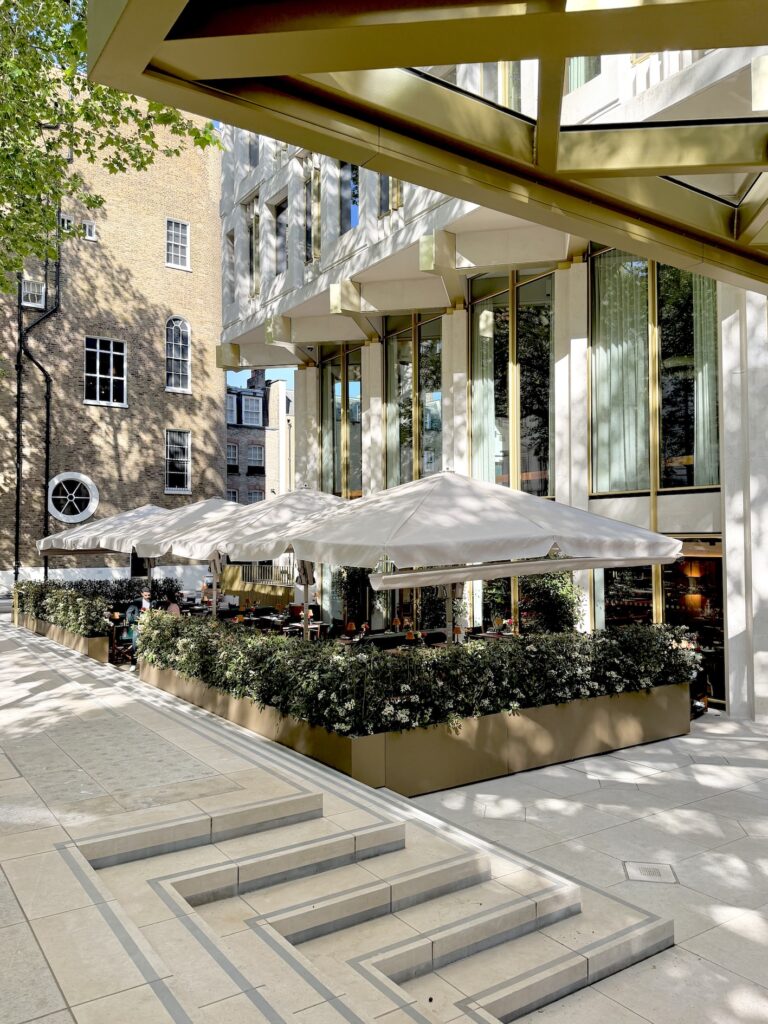
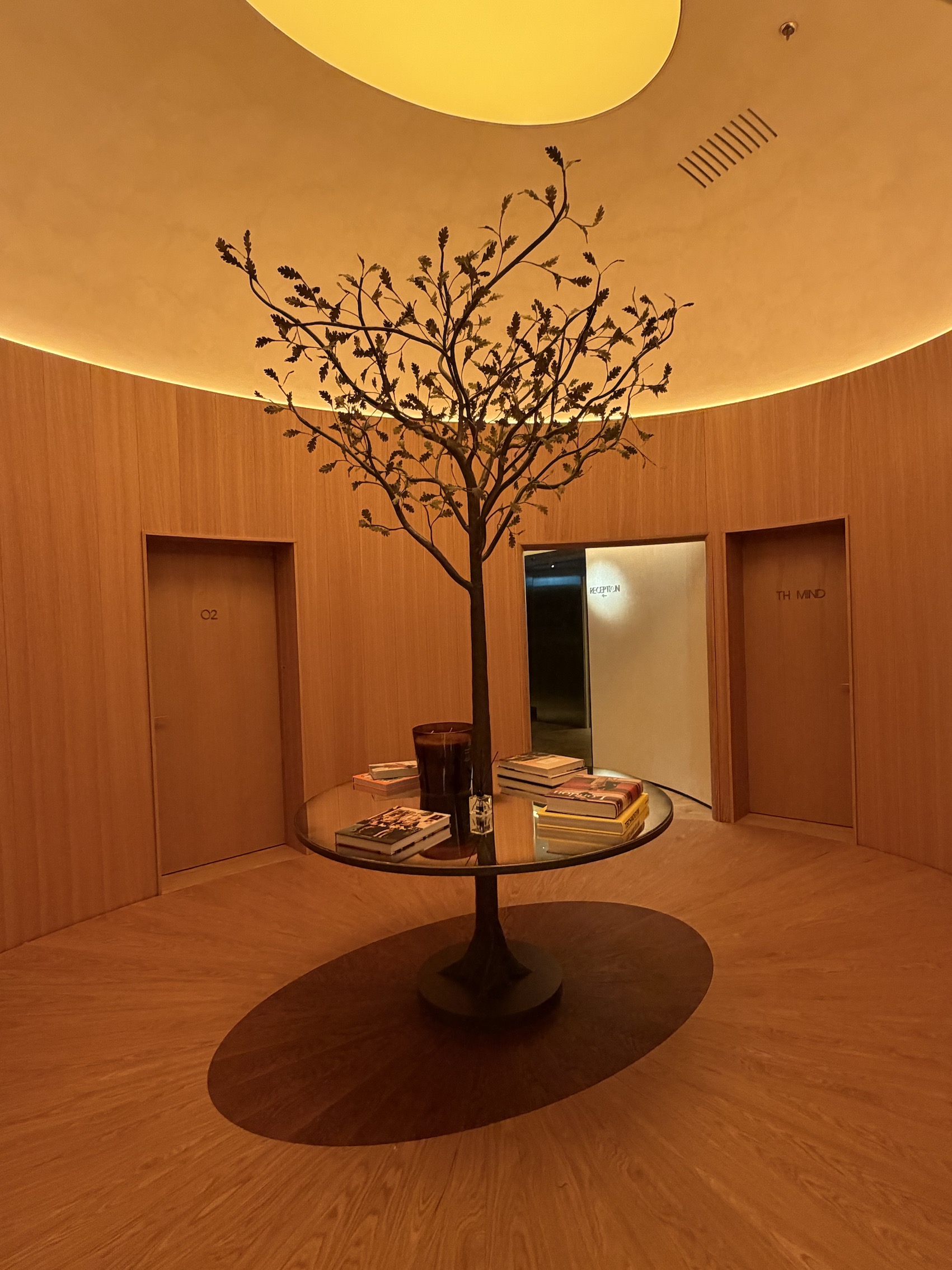
But the more subtle shift is cultural rather than clinical. Because the wellness space is populated by the same people who share the original club, the boundaries between social life and self-care begin to dissolve. The result is a continuity of identity rather than a split between “night” and “morning” selves. “Community is another hugely differentiating factor,” says Maggiora. “Because every member is part of the existing Tramp community, there is a true sense of belonging across social and wellness environments, which changes how you engage and the energy within the space.”
An environment that’s as chic as it is salubrious is a given, as are the kind of changing rooms and public spaces one would expect at a tony five-star retreat. But it’s the non-judgmental ease of the environment, even more than the decor, which will strike a chord with those spending time between these walls. “Members are not asked to choose between living fully and living well: they’re shown how to do both, in one place,” adds Maggiora. “Late nights mix with early mornings, promoting both connection and discipline.”