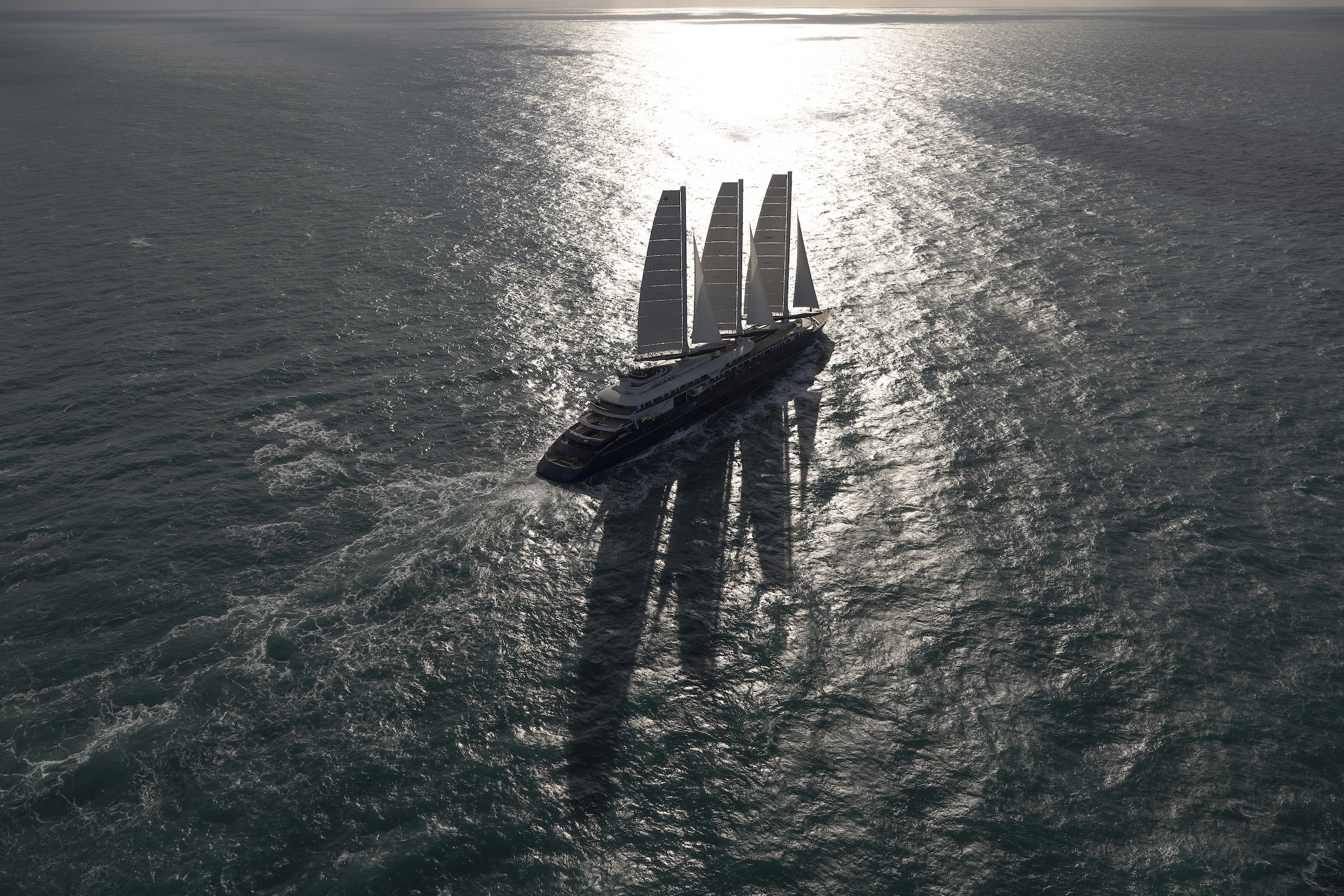
The 220-metre Corinthian brings Orient Express to the water for the first time, with 54 suites, five Yannick Alléno restaurants and more than 4,500 square metres of sail.
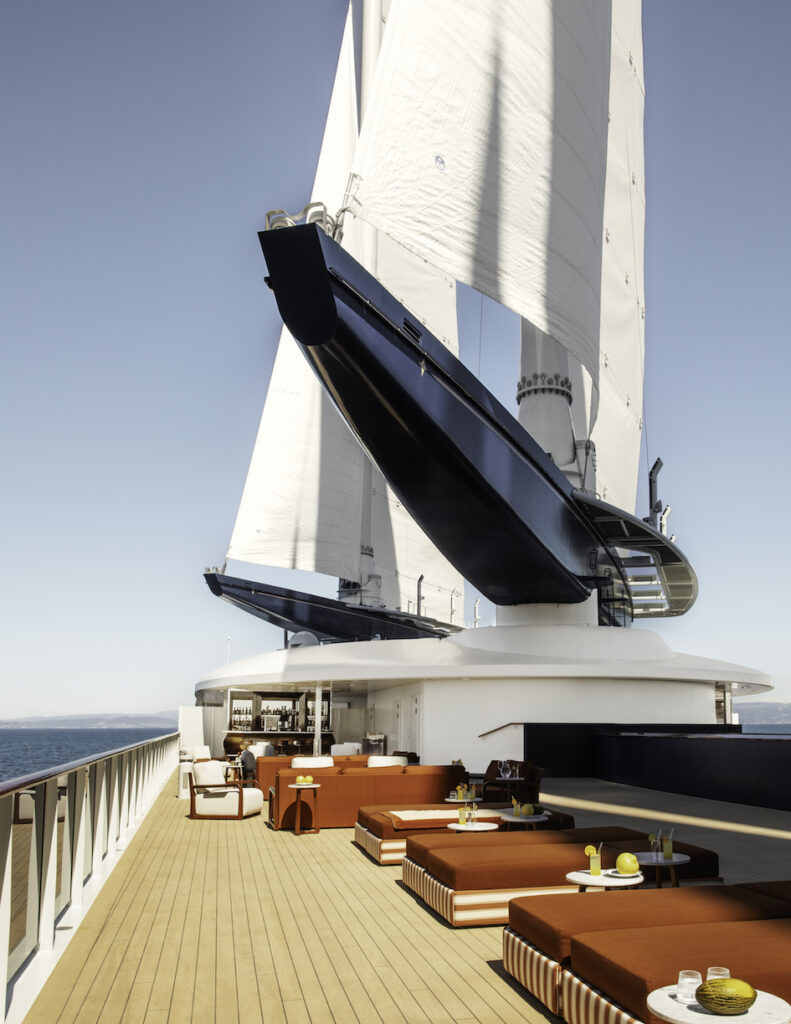
The sun is sinking into the Mediterranean as the Orient Express Corinthian glides east towards Saint-Tropez. Under full sail, the sea has settled into a sheet of silk, disturbed only by the ship’s gentle passage through the water. Fishing villages drift past in soft pastel tones, their church towers catching the last light before the coastline gives way to open sea. Above, three towering masts carry more than 4,500 m² of sail, yet there is little sound. No vibration beneath your feet. No persistent hum of engines. Just the breeze filling the sails and the occasional clink of glasses from somewhere on deck.
It is an atmosphere that Orient Express has carefully cultivated. As daylight fades and guests begin making their way to dinner, lacquered timber, polished brass and softly lit interiors recall the elegance of the 1920s and ’30s without ever feeling theatrical. This is the French Riviera at its most glamorous.

I am onboard a vessel that marks one of the most ambitious launches the hospitality industry has seen in recent years, bringing one of travel’s most celebrated names to the water for the first time. Ritz-Carlton, Four Seasons and Aman have all entered the market for luxury hospitality at sea. Now, Corinthian brings Orient Express’s own heritage and identity to that growing category.
For Philippe Heltland Brault, president of Orient Express Sailing Yachts, the ambition was clear: to create a sailing experience that echoes the philosophy that made Orient Express famous on land while drawing on the freedom of private yachting. Born into a family of Danish shipowners, Brault spent more than four decades working in brokerage and newbuild contracting before taking the idea for an Orient Express sailing yacht to Accor CEO Sébastien Bazin, an old school friend, in 2019. Recognising that interest in luxury hospitality at sea had gathered pace after the pandemic, Bazin gave him the go-ahead.
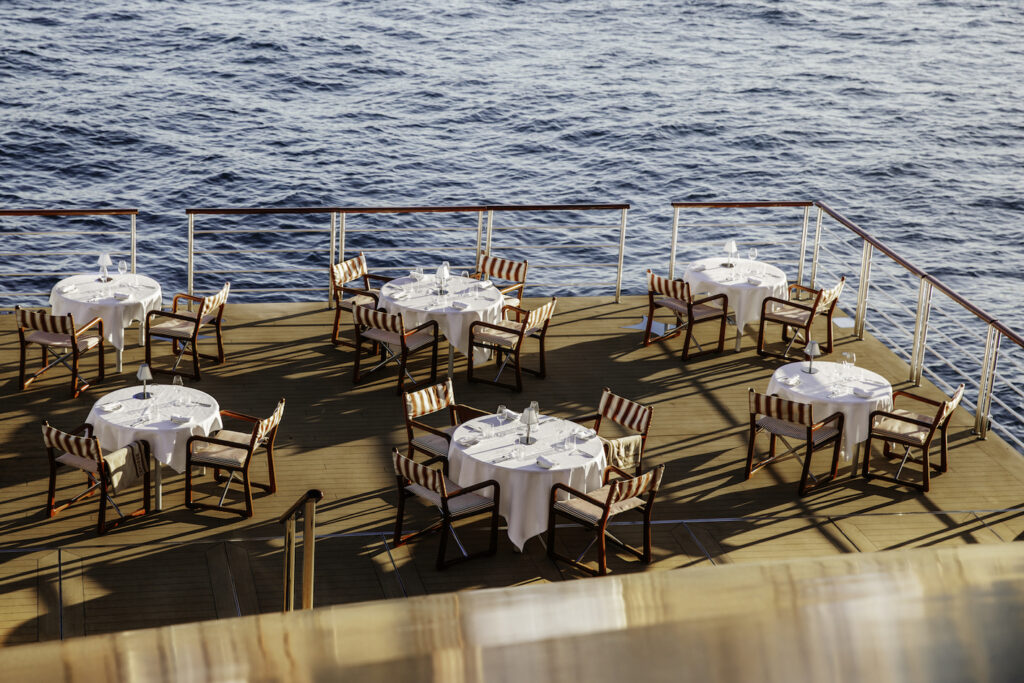
To accelerate the project, Brault secured a place at Chantiers de l’Atlantique and extensively reworked an existing sailing-ship platform. An entire deck was removed, the hull lengthened by 20 m and the stern reimagined around an opening marina with direct access to the sea. The marina is central to the vision, allowing guests to swim directly from the ship or head out on the water without returning to port. It creates an experience that feels closer to life aboard a private yacht, despite operating on an altogether different scale.
“If you have to take the limousine to go to the port and then the beach, you are a cruise ship,” says Brault, when asked whether the vessel is a ship or a yacht. “But we will qualify ourselves as a yacht when the clients qualify us as a yacht.”
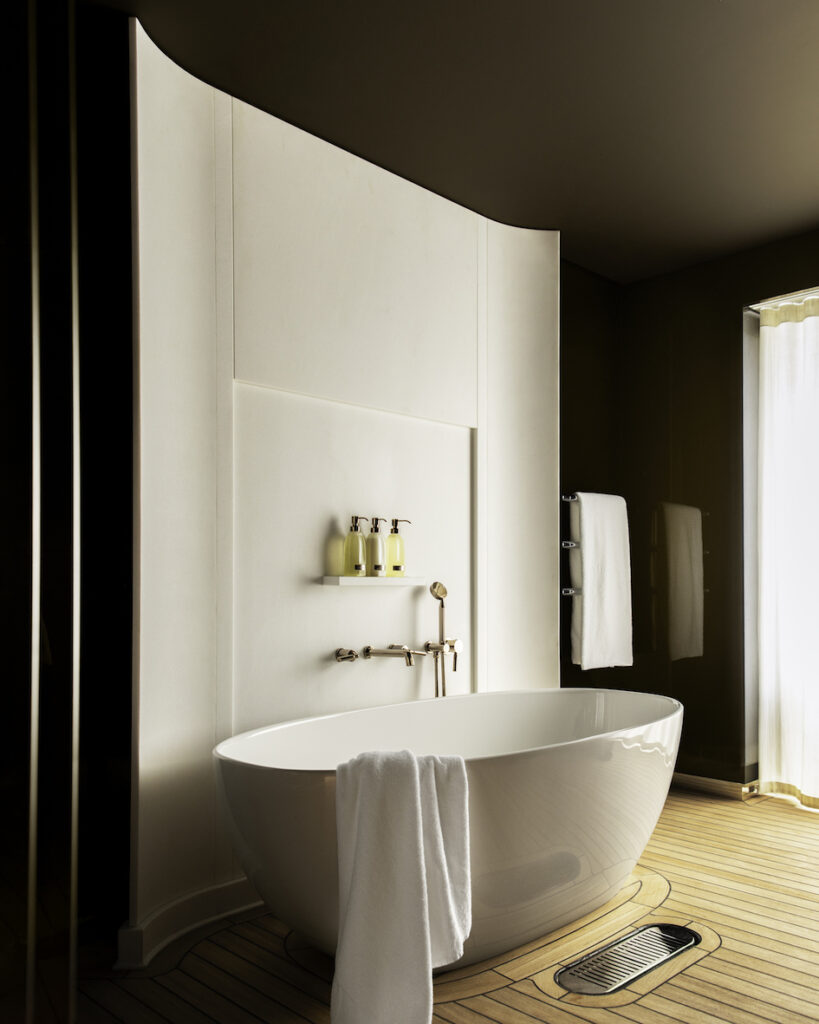
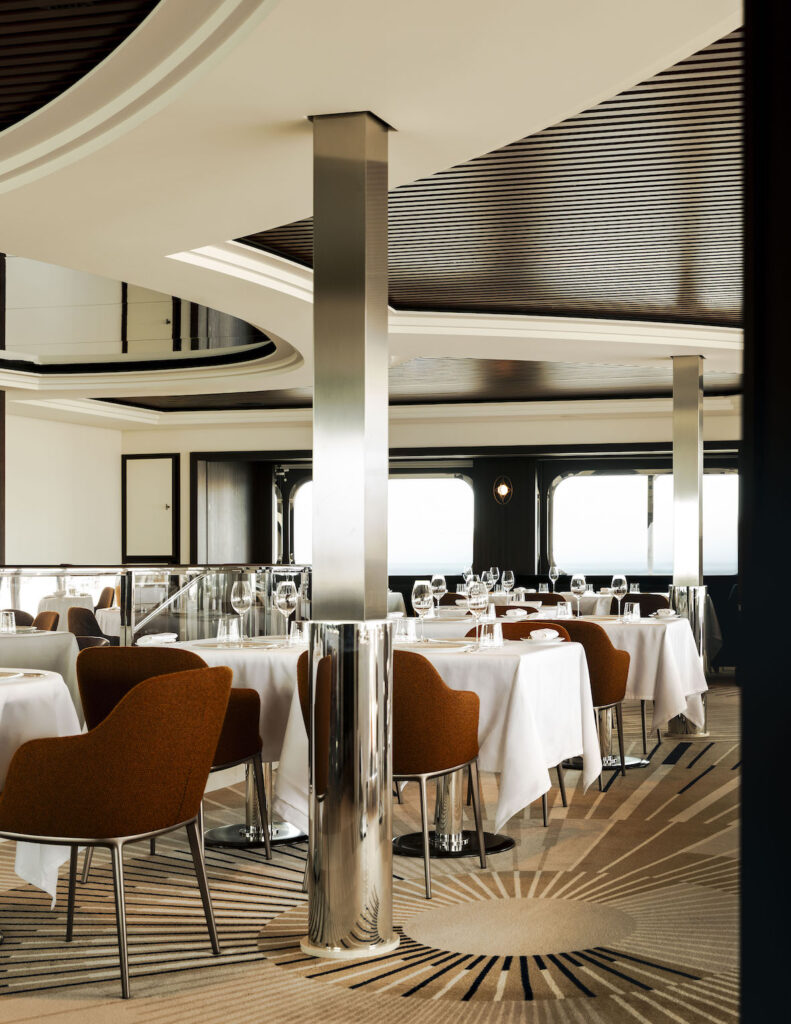
Maiden voyages began in May this year, when Robb Report was among the first publications invited aboard, securing a glimpse before paying guests arrived in June. The first thing we noted, beyond Corinthian’s spectacular exterior, was the residential feeling. Although the vessel is a staggering 220 m in length, spaces have been designed to feel intimate; she sleeps 110 guests across 54 suites. Although certified to accommodate up to 300 passengers, Brault has no intention of operating at that capacity. And with scope for 170 crew, you’re looking at one of the best crew-to-guest ratios in the industry.
Individual suites can be booked from €17,700 for a three-night Mediterranean voyage, while the yacht is also available for exclusive full buy-outs. By comparison, the Aman vessel has 47 suites across 180 m, while Four Seasons has 95 suites across 207 m, and the currently sailing Ritz-Carlton vessels Evrima and Ilma have 149 and 224 respectively.
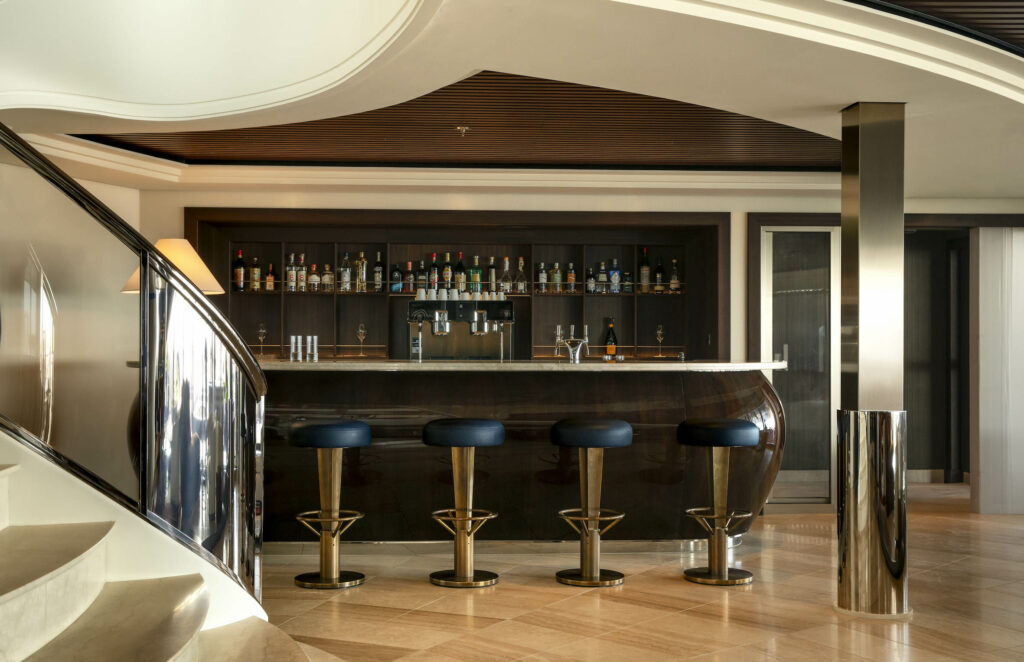
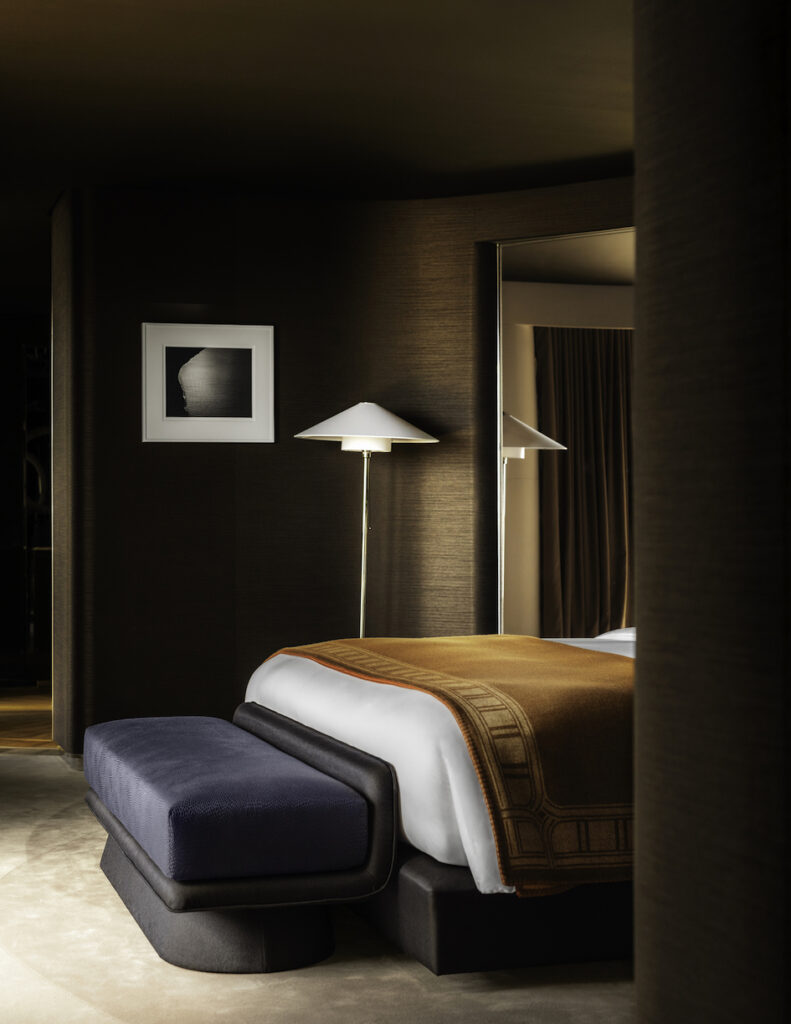
That generosity of space continues inside. Orient Express creative director Maxime d’Angeac has approached the interiors with the precision of a private residence, filling the vessel with bespoke furniture, handcrafted detailing and references to the brand’s railway heritage. He walks his ship with the confidence of a man who has argued about two millimetres and won. “Fewer guests, more service,” he says, standing in a 25-m-wide lobby. “That’s the question.” Guest accommodation occupies decks four to six, drawing heavily on Orient Express heritage, while deck seven offers a more contemporary interpretation of the brand.
Everything is bespoke and much of it is sculpted by hand, drawn by d’Angeac and executed by a Parisian draughtsman with whom he has worked with for four decades. And the detail rewards attention. Door handles are cast as a school of fish, each made by hand in France, while ceilings carry interwoven waves. Suite bathrooms are finished in natural marble, while Grecian-inspired columns turn out to have a second job: something to lean against when the sea gets up. Paintings are courtesy of Les Peintres Officiels de la Marine, the French naval artists officially appointed by the state, whose signatures are distinguished by a small anchor; while much of the upholstery is by Pierre Frey, whose grandfather René Prou was the architect who designed the Orient Express carriages of 1925.
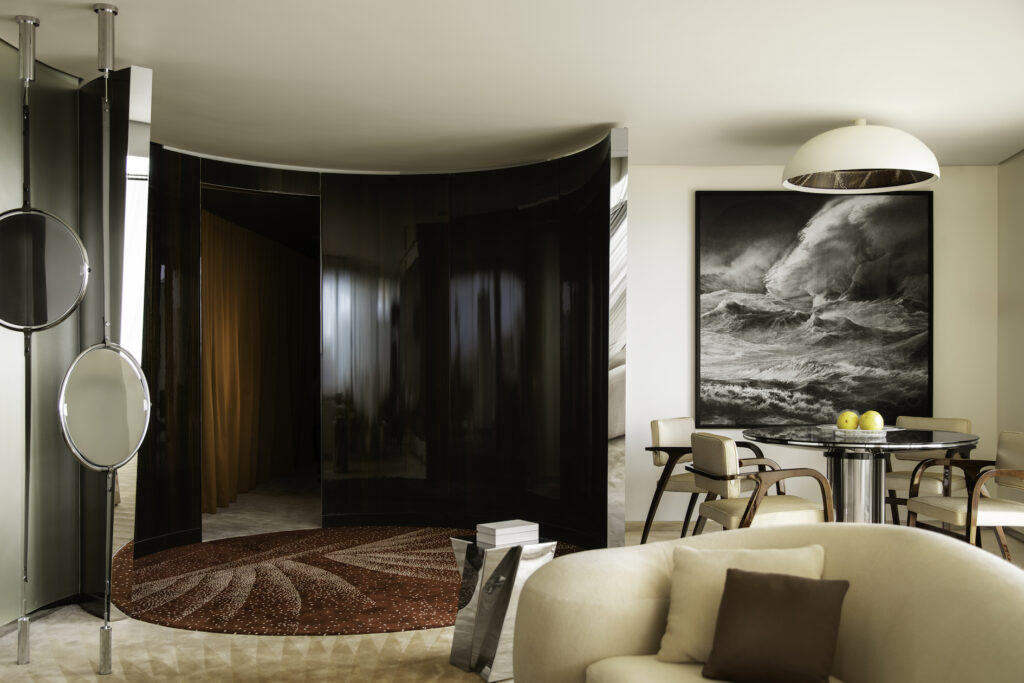
There are no cabins aboard Corinthian, only suites, ranging from 45 m² to 230 m² across four decks, each with panoramic windows and private balconies or terraces, and a dedicated butler. The largest is the Agatha Christie Suite, occupying a prime position on deck six with a wraparound terrace and hot tub overlooking the sea. It is the ship’s grandest address, and a fitting tribute to the novelist whose most famous mystery helped cement the Orient Express as one of travel’s great icons. One final surprise lies behind an otherwise ordinary door: a Heritage compartment, an exact recreation of an original Orient Express sleeping compartment, complete with fold-down bunks, luggage racks and vintage light fittings salvaged from the historic carriages.
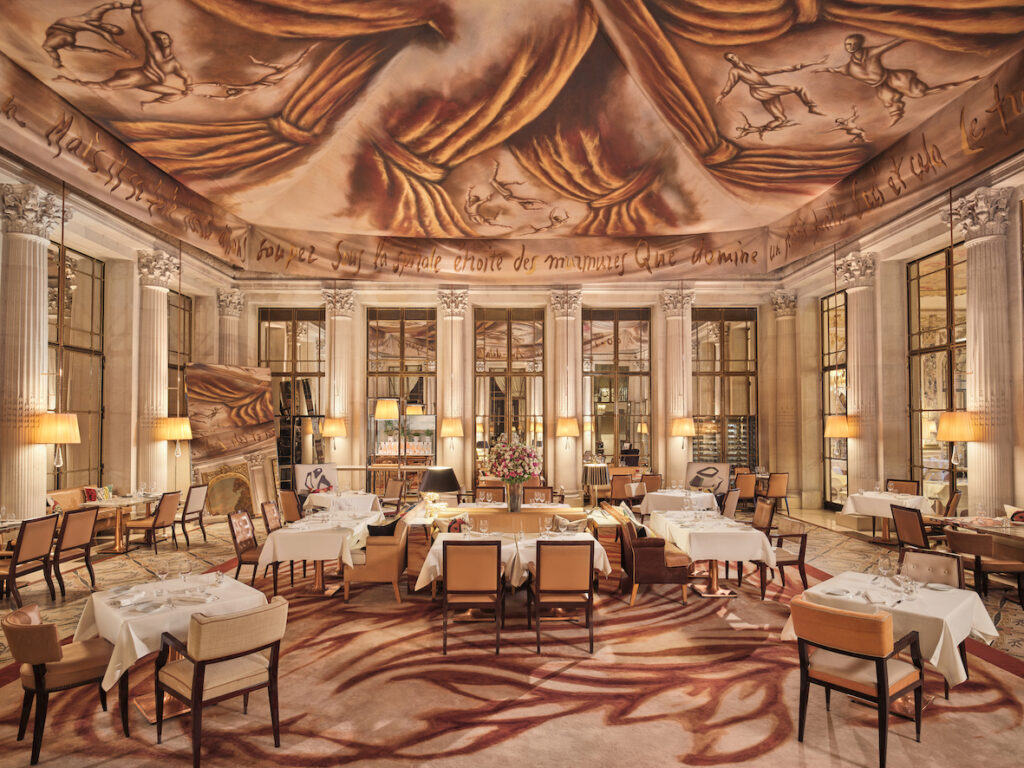
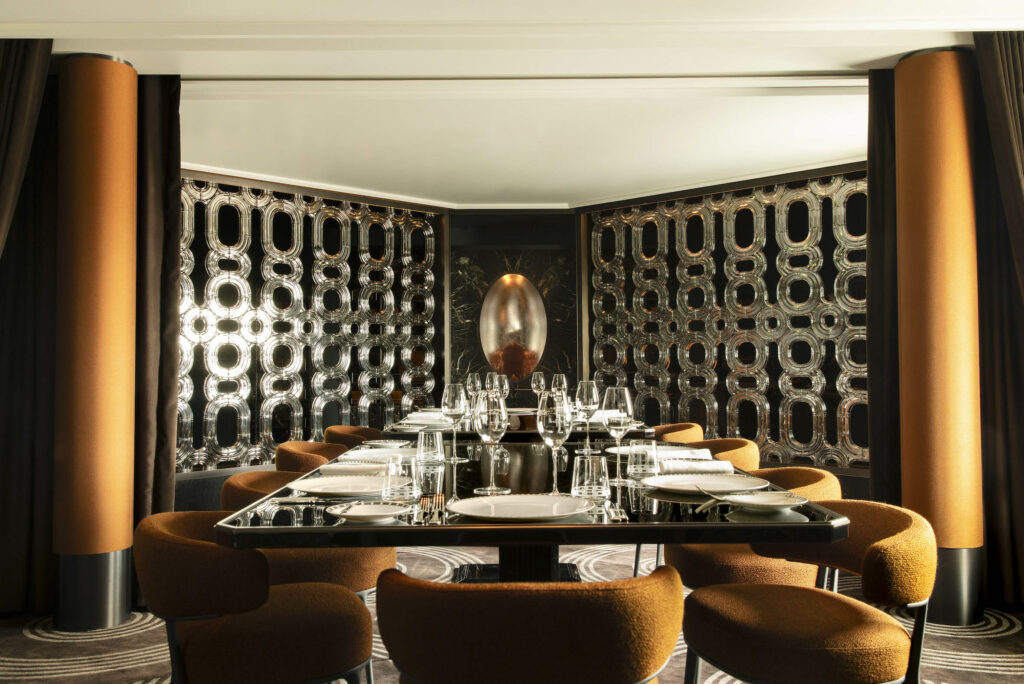
The facilities reinforce the residential approach. Five restaurants overseen by Yannick Alléno range from refined French cuisine to Mediterranean dining, alongside an oyster bar. There is also a Guerlain spa where every treatment room enjoys waterline views, an Art Deco-inspired speakeasy concealed behind a gentleman’s grooming salon, a recording studio where guest musicians can rehearse or record, a 115-seat cabaret theatre and a 16 m swimming lane at the heart of the ship.
As the sun disappears beyond the Riviera and the sails remain full above, questions over whether Corinthian is a yacht, a hotel or something entirely new begin to matter rather less. What lingers is the experience: travelling silently under sail, stepping straight into the sea from the marina and watching Saint-Tropez come into view from the fly deck. Orient Express has created something entirely its own.