With a $75 million prize pool, projected revenue streams set to rival F1, and a global audience spanning 160 countries, esports has arrived in Paris this summer. Here’s everything you need to know about this rising sport.
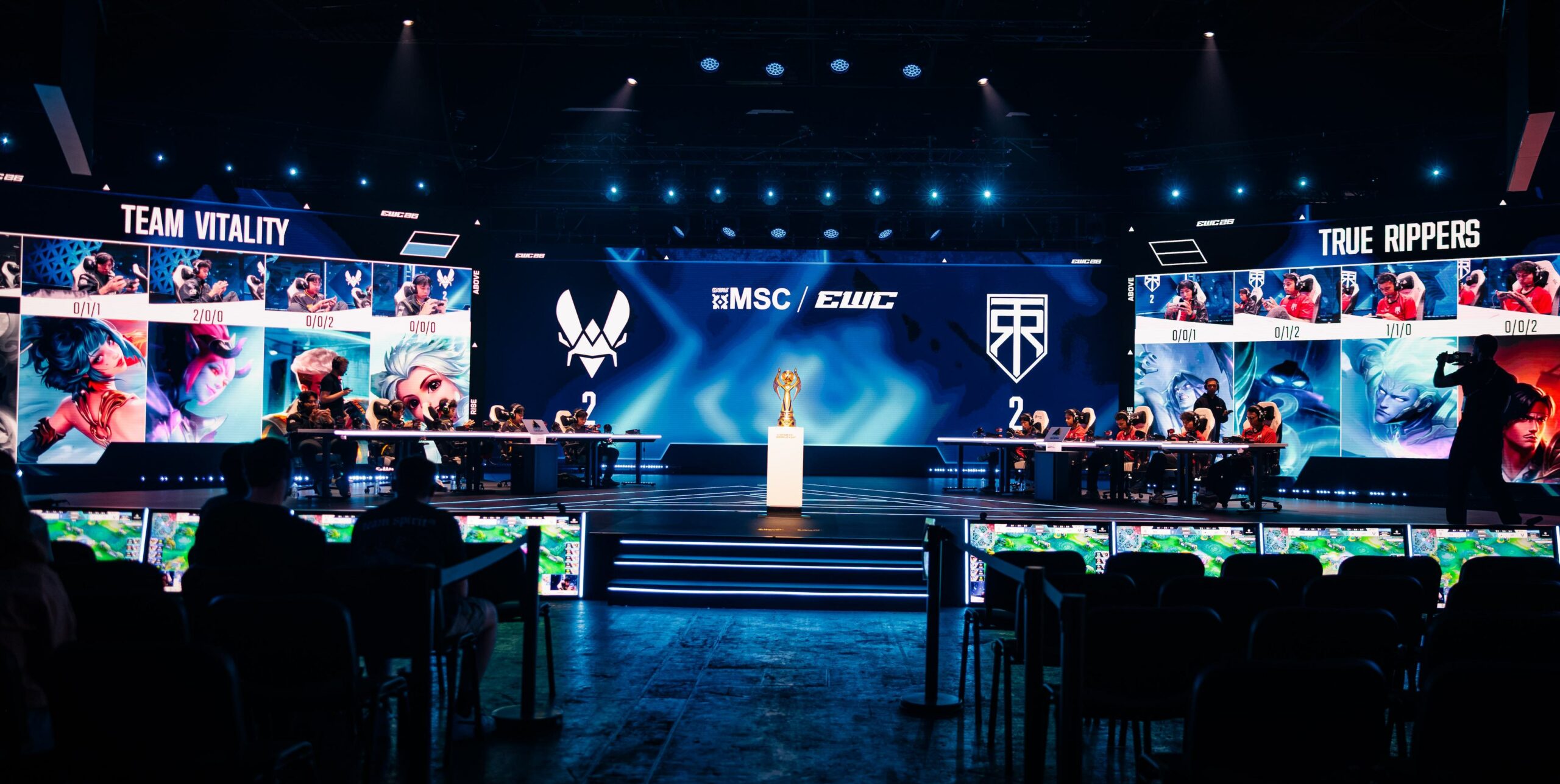
There is a world championship taking place in Paris right now. It runs for seven weeks, features more than 2,000 players from over 100 countries, and carries a record prize pool of $75 million. Most of Europe has no idea it is happening. The Esports World Cup opened at Paris Expo Porte de Versailles on 6 July and runs until 23 August, the first edition ever staged outside Saudi Arabia. Around 200 clubs are competing across 25 tournaments in 24 games, with organisers projecting the largest broadcast in the sport’s history: over 7,000 hours of live content across more than 100 partners in 160 countries. On the commercial side, esports revenue is projected to hit $5.1 billion (€ 4.5 billion) this year, which is said to be built almost entirely on sponsorship.
In a sign of the tournament’s growing star appeal, Cristiano Ronaldo and Magnus Carlsen return as global ambassadors, while Paris mayor Emmanuel Grégoire delivered the opening remarks at a press conference at the Hôtel de Ville.


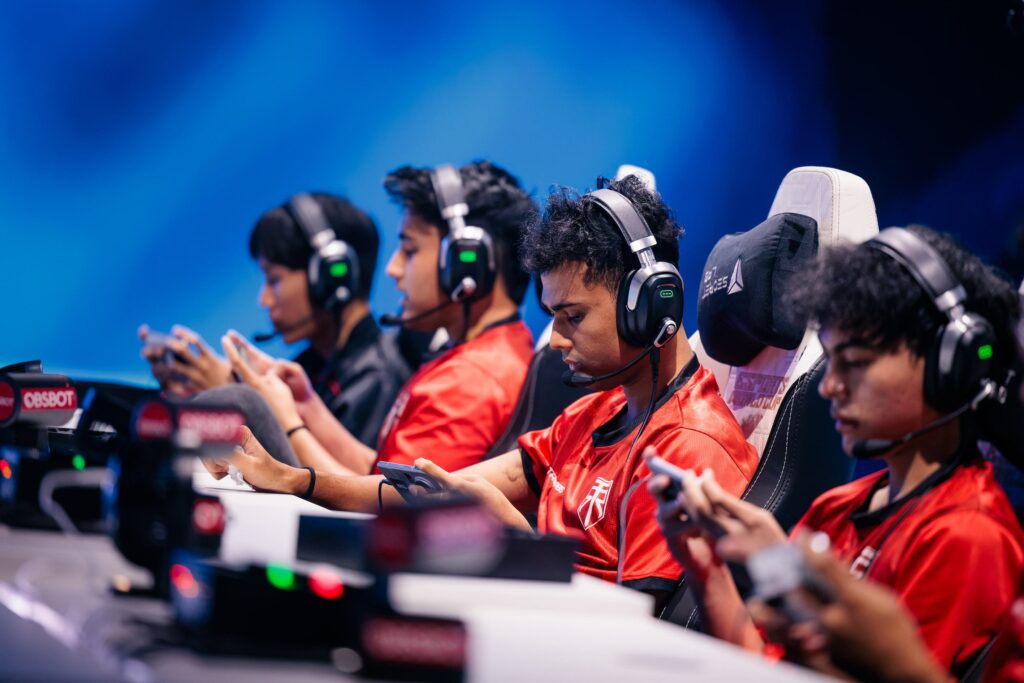
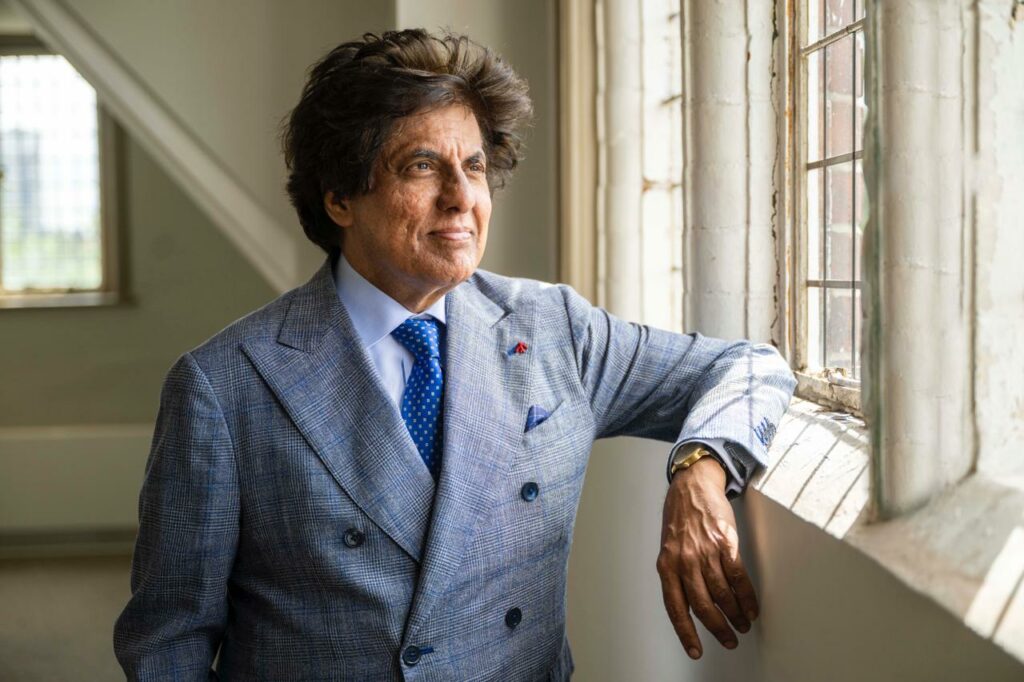
For Monaco resident Tej Kohli, the British-Indian investor who owns 92 per cent of Paris-based Team Vitality, the timing is fortuitous. “It’s like having the Olympics,” he says of the tournament, which has landed in his team’s home city. “Everybody’s glued into this.”
Kohli says he has invested more than €110 million in Vitality since first backing the club in 2018 and describes himself as the largest single individual investor in esports globally. He sees his main rivals not as individuals but as institutions, with Saudi Arabia’s Team Falcons chief among them.
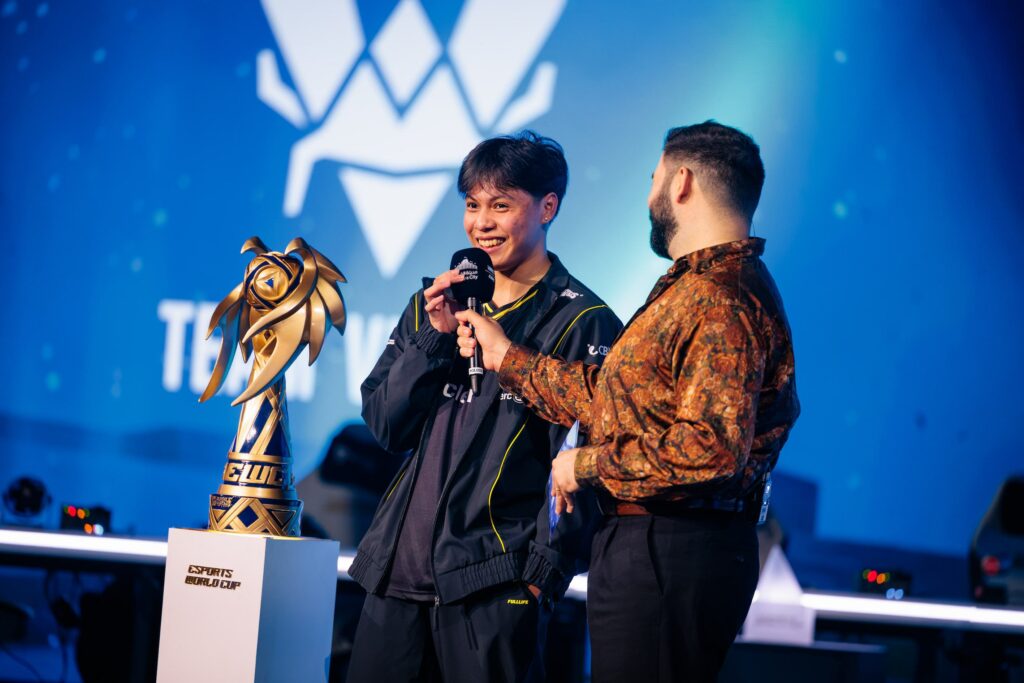
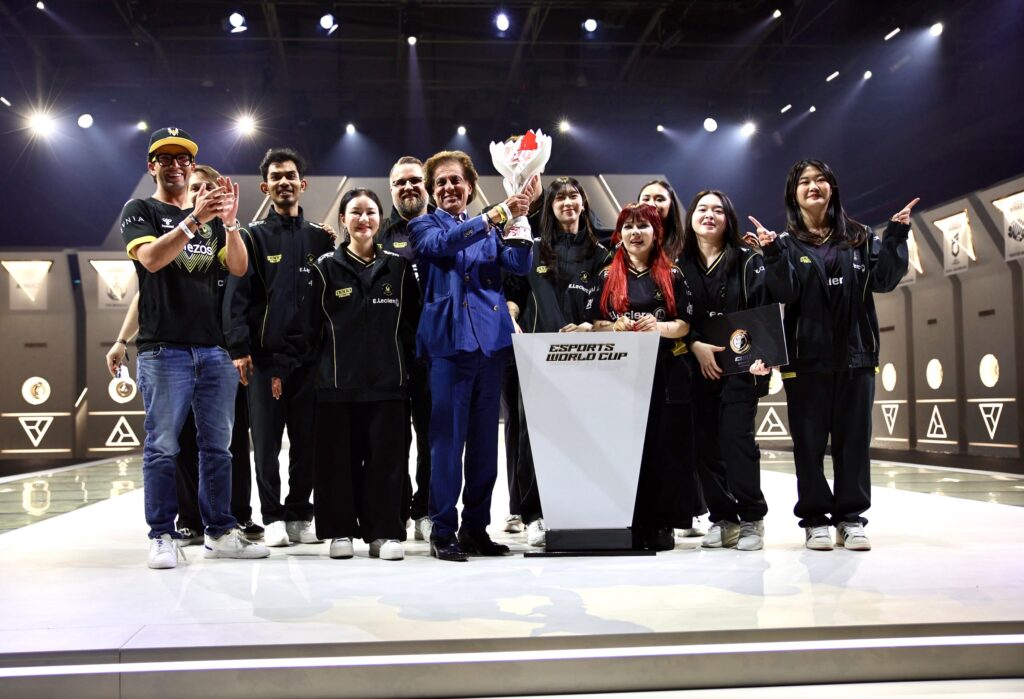
Team Vitality enters the tournament on the back of a dominant 2025, having won most CS2 majors that year. The club is fielding 19 titles this year, the event’s largest delegation, and arrives as former Rocket League world champions alongside back-to-back MLBB Women’s International titles. Its 4-2 victory over NAVI PH in the MLBB Women’s International secured that second consecutive title on home soil and drew 565,500 peak concurrent viewers, making it the tournament’s most-watched edition to date, according to Esports Charts. Team Vitality currently sits second in the Club Championship standings, with 1,400 points to Natus Vincere’s 1,750.
At present, Asia-Pacific accounts for more than half the world’s esports viewers, with China alone anchoring a huge share of both audience and revenue. Southeast Asia and India are now the fastest-growing fan bases anywhere, driven by mobile titles. Europe adds another sizeable slice, led by Germany, France and the UK.
What drew Kohli in was not the sport but the arithmetic behind it. He was at Wembley, watching two teams he had no stake in, when the scale of the opportunity became clear. “I was overwhelmed,” he says. Tickets were around £10—a tenth of what a football match or concert might command in the same stadium. The audience was vast and the revenue was negligible. “I knew that the monetisation of this would be difficult.” He invested anyway, applying the same logic that made early search engines valuable: capture the attention first, work out the billing later.
Esports revenue could exceed $5 billion this year, according to Statista. At present, team revenues in esports still come almost entirely from sponsorship—mostly B2B, Kohli says—and Vitality is, by his own admission, close to break-even after nine years. The next phase is consumer-facing: tokenisation, points-based loyalty schemes and a broader merchandising business.
“People still think of this as a niche hobby, but look at the numbers,” Kohli says. “Esports is projected to generate $5.1 billion in revenue this year. That’s more than Formula 1 brought in last year, and more than the PGA Tour. It’s not a curiosity anymore; it’s a mainstream global sport that the market hasn’t caught up to pricing correctly yet.”
For investors, the case is compelling. Esports is international by design. Vitality can assemble rosters from Argentina, Japan, Singapore and China, with its different teams competing in Shanghai and Los Angeles in the same week. Kohli calls this his “number one criterion.” The audience is ageing too: what was once a teenage fan base with little spending power is becoming a mature consumer market.
The businesses that grow around a mature sport—hospitality, premium access and corporate entertainment—are only beginning to take shape. When asked whether esports will follow the same path, Kohli says: “Very much so. We are well on our way.”
The audience is already there. The business around it is only just beginning.