It’s the latest chapter in the Crown’s ongoing support of architecture and the arts.
Sir David Chipperfield, David Adjaye, Lina Ghotmeh and even the Venice Architecture Biennale—these are just some of the heavyweight names from the world of architecture that Rolex has championed and supported, as part the Swiss watchmaker’s ongoing Perpetual Arts Initiative programme. And now, a new world-renowned institution joins the roster: London’s Serpentine Pavilion.
Now in its 25th edition, the Serpentine Pavilion is an annual architecture commission that started in 2000 with Dame Zaha Hadid—and which, over the last decade or so, has evolved into a highly anticipated showcase for emerging talent and a launch pad for an architect’s international career (as was the case for Rolex testimonial Lina Ghotmeh, who designed the temporary 2023 summer pavilion in London’s Kensington Gardens).


This year also marks the debut of Rolex as Official Timepiece of the Serpentine Pavilions that underscores the watchmaker’s dedication to the arts and which represents Rolex’s “commitment to craftsmanship, innovation and excellence”, as Arnaud Boetsch, director of communication and image at Rolex, puts it.
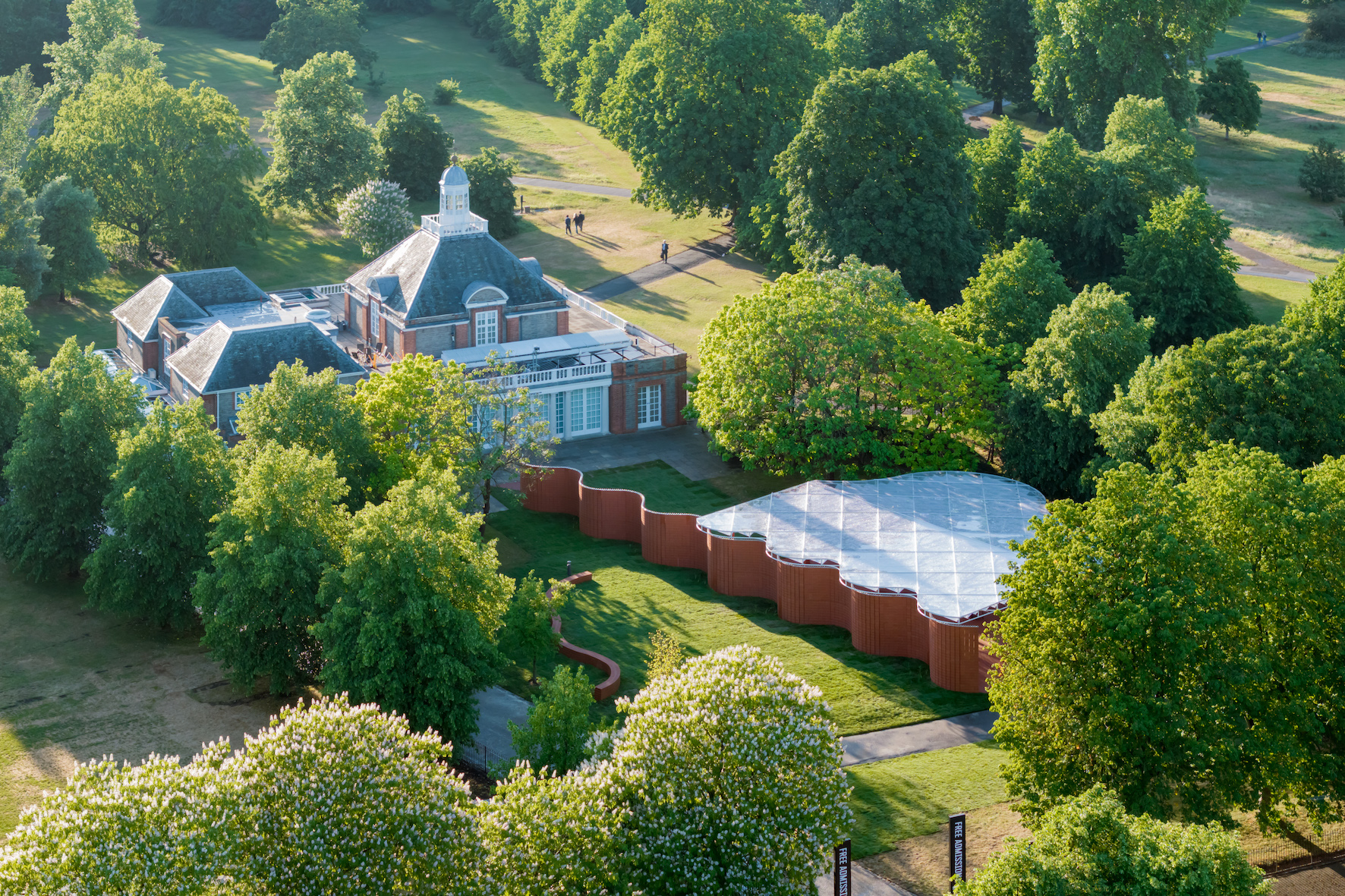
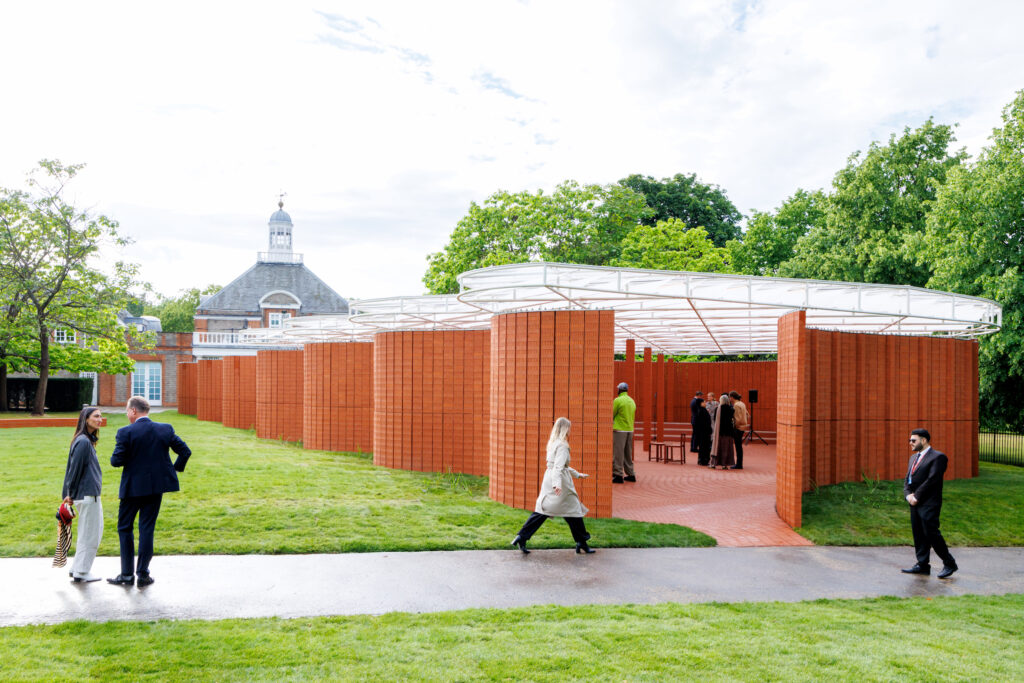
This year’s pavilion has been created by the Mexican architecture studio LANZA atelier, the brainchild of Isabel Abascal and Alessandro Arienzo, whose brick-based A Serpentine structure merges references to English gardens with the existing brick façade of the Serpentine South Gallery. Currently on display until 25 October in Kensington Gardens, the terra cotta-like, curvilinear form evokes the shape of a serpent, erected through a rhythmic repetition of brick columns that are configured to allow light and air to penetrate the space. The idea is to challenge the notion of walls as division and separation, and instead invite connection and transparency.
“Set within a garden, an evocation of the natural world, the project takes the form of a serpentine wall, conceived as a device that both reveals and withholds; shaping movement, modulating rhythm and framing thresholds of proximity, orientation and pause,” according to a LANZA atelier statement.

The studio has also designed a set of matching chairs and stools—locally made from sapele hardwood—that are found throughout the pavilion. Visitors can freely arrange the pieces into different curves and configurations, once more fostering engagement and interconnection.
Hans Ulrich Obrist, artistic director of the Serpentine, says that the annual Serpentine Pavilion commission is more relevant than ever today. “This is a device of connectedness,” he explains. “We live in an age that is very divided, where a lot of people don’t talk to each other anymore, and who are basically taught in an algorithmic filter bubble. Here they can meet in in the park, have new encounters and meet friends by chance.”