At SHA, women’s health is no longer whispered about. We visit the longevity resort’s Spanish clinic to experience its new female-focused pack, where hormones, fitness, nutrition and longevity are approached as one interconnected system.
It was while standing in my underwear on a machine that appeared to know more about me than most of my closest friends that I realised SHA was not interested in wellness as window dressing. Here, the body is treated as a system of signals—and many of them are shaped by one muchmisunderstood force. Hormones.
For decades, hormones have been whispered about in relation to mood swings, menopause or, more often, used as a catch-all explanation for women being somehow too emotional. At SHA, one of the world’s most prominent health optimisation clinics, hormones are not a side note. They are the foundation of a new women’s health offering designed to look at what is happening inside the female body before it becomes a problem—or before women are told, once again, that it is simply something to endure.


SHA, which has destinations in Spain and Mexico, and a UAE site in the pipeline, has long positioned itself at the more serious end of the wellness spectrum. Its reputation has been built on the integration of preventative medicine, nutrition, diagnostics, fitness, recovery therapies and what the industry now calls “longevity”. After introducing an expanded scientific advisory board in April, it has turned more directly towards women’s health, creating one of the most comprehensive itineraries for women in the market.
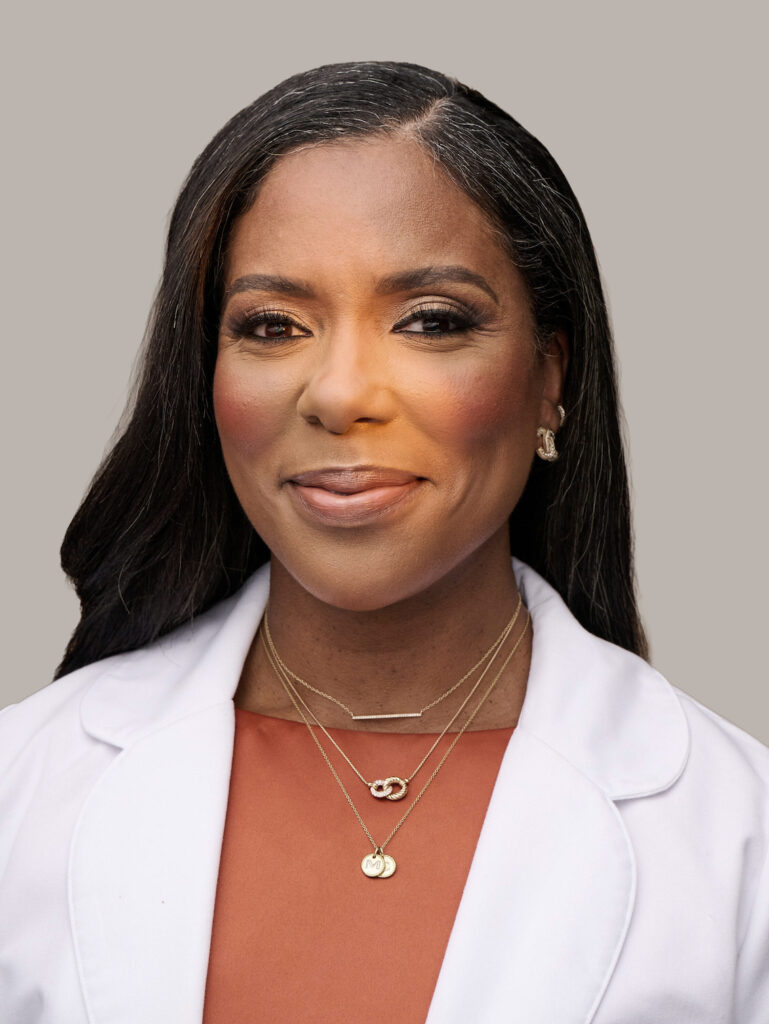
Dr. Jessica Shepherd, a board-certified OB/GYN in the US who has practised for 20 years and recently joined SHA’s Scientific Advisory Board, says the timing is not accidental. “Women live longer than men,” she says, “but they actually have a gap of 10 years towards the end of their life where they live in poor health.” The question, she says, is how to “reshape or reframe that gap”.
For Shepherd, whose work has focused increasingly on midlife—the late 30s to the early 50s—the opportunity lies in intervening earlier. Not waiting until women are already in crisis. Not reducing every symptom to “just perimenopause” or “just stress”.
With that has come more research, more technology and more attention on female health. SHA, she says, already had the infrastructure: doctors, clinical staff, diagnostics, data tracking and a multidisciplinary model. Her role has been to help shape that into a women’s health unit that is evidencebased, integrative and, crucially, personal. “The changes and the transition that women’s bodies go through have been completely misunderstood, but also silenced,” she says. SHA is looking at women’s health differently from men’s and creating what she calls “a foundation of lasting health”, rather than a quick, superficial fix.
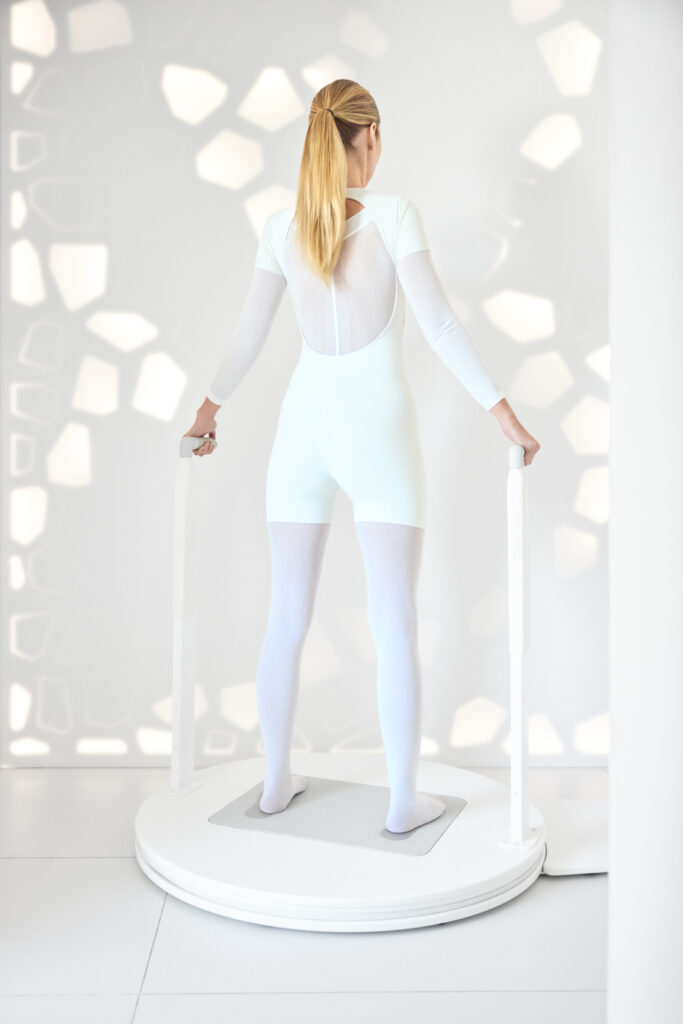
I visited SHA Spain to get a first look at the women’s health pack—technically an add-on to one of SHA’s core programmes, rather than a standalone—and to experience how it works in practice. My Rebalance & Energise programme, with the added women’s health pack, began, as many health journeys now do, with measurement. There were machines that assessed my body from the outside and from within; tests that looked at composition, function and performance; cognitive diagnostics that felt oddly enjoyable; and strength assessments that were, frankly, less charming. In a robe, clutching my schedule like a boarding pass to a healthier version of myself, I moved between appointments with enthusiasm—and a touch of nerves.
Then came the consultation with the doctor. Without asking much about me, she looked first at my charts, then at me with the soft but unmistakable expression of someone about to say something inconveniently accurate. “You’re someone who spins a lot of plates,” she said. “You’re always on the go.” I was stunned. How do you know that? She showed me the chart. My nervous system, apparently, was not exactly thriving.
Later, a holistic specialist echoed the same point in gentler language: running at full steam is fine for a while, but without recovery, the body eventually starts issuing more forceful demands. The doctor’s orders were simple, if not exactly easy: learn to relax. This is the most confronting thing about a place such as SHA. You arrive expecting to be told to eat more greens, sleep more deeply, drink less coffee and do more exercise. You do not necessarily expect to be read like a palm.
The good news was that I was “ageing at a slower rate than your average person”, which I received with delight. The doctor added that we could, of course, try to slow it further. As a competitive person, I could already see the danger. Give me a metric and I will immediately want to improve it. SHA understands this impulse—there’s only room for one Bryan Johnson in the world—and attempts to redirect it.
The aim, I was reminded, is not simply to live longer. It is to live well, for longer. This distinction matters. Longevity, as a word, has become so ubiquitous in wellness that it risks sounding like another luxury trend, filed somewhere between NAD drips and cold plunges. At SHA, the concept is more practical. Shepherd describes it as health span—or “well span”—rather than lifespan alone. “We all are going to biologically age,” she says, “but as we start to age, how do we define ourselves in creating a framework of wellness that can carry us into age with all of the best tools that we have available to us?”
For women, that framework has to take into account hormonal shifts, metabolic changes, inflammation, gut health, muscle, bone density, brain health and cardiovascular health. Shepherd describes the pack as a way of identifying which “levers” need adjusting for each person, whether hormones, muscle, stress, sleep, metabolic health or all of the above.
Hormone optimisation is central, partly because it remains so misunderstood. “We have a lot of data on hormones and how hormones really shift in a woman’s midlife timeframe,” Shepherd says, “and what that contributes to, not only in symptoms, but also long-term health outcomes.” The goal, she says, is to help women understand what is happening, and then give them the tools to create stability.
What makes SHA unusual is that hormone expertise is available in-house. “That really is something not a lot of places have, and not a lot of programmes have,” she says. Many facilities can provide education; fewer can translate that into a nuanced, personalised plan.
In my case, the hormone results were relatively unremarkable—although, naturally, there was still room for improvement via that most elusive of prescriptions: relaxation. My strength test results were less pleasing. As a reformer Pilates devotee, I had arrived with the quiet arrogance particular to those of us who have spent too much time attached to springs in expensive socks. I assumed I was strong. I was informed, politely but firmly, that I needed to gain muscle.
This, I learnt, was not about aesthetics. It was about ageing. Muscle becomes harder to build and easier to lose as we get older and muscle is also linked to poorer function, reduced metabolic health and, crucially for women, bone density—particularly through midlife, when changes in the body are accelerated. “SHA’s role is to help women understand why the body needs the type of strength training that it does, how to improve muscle mass and how to focus on increasing bone mineral density,” Shepherd says. I was prescribed more protein.
This was reinforced in my nutrition consultation, where the advice aligned almost seamlessly with the doctor’s assessment. The body, I was told, cannot build muscle from good intentions alone. Often, the missing piece is nutritional: if the body does not have enough protein, it does not have the raw material it needs to build and repair muscle.
The efficiency with which this information moved through the SHA ecosystem was almost unsettling. Two hours later, at lunch, a small shot of apple cider vinegar appeared before my meal, and my protein doubled at dinner. It was clear that the restaurant, the doctors, the nutritionists and the fitness team were speaking to each other. I, the subject of their collective attention, had very little opportunity to pretend I had not heard the advice.
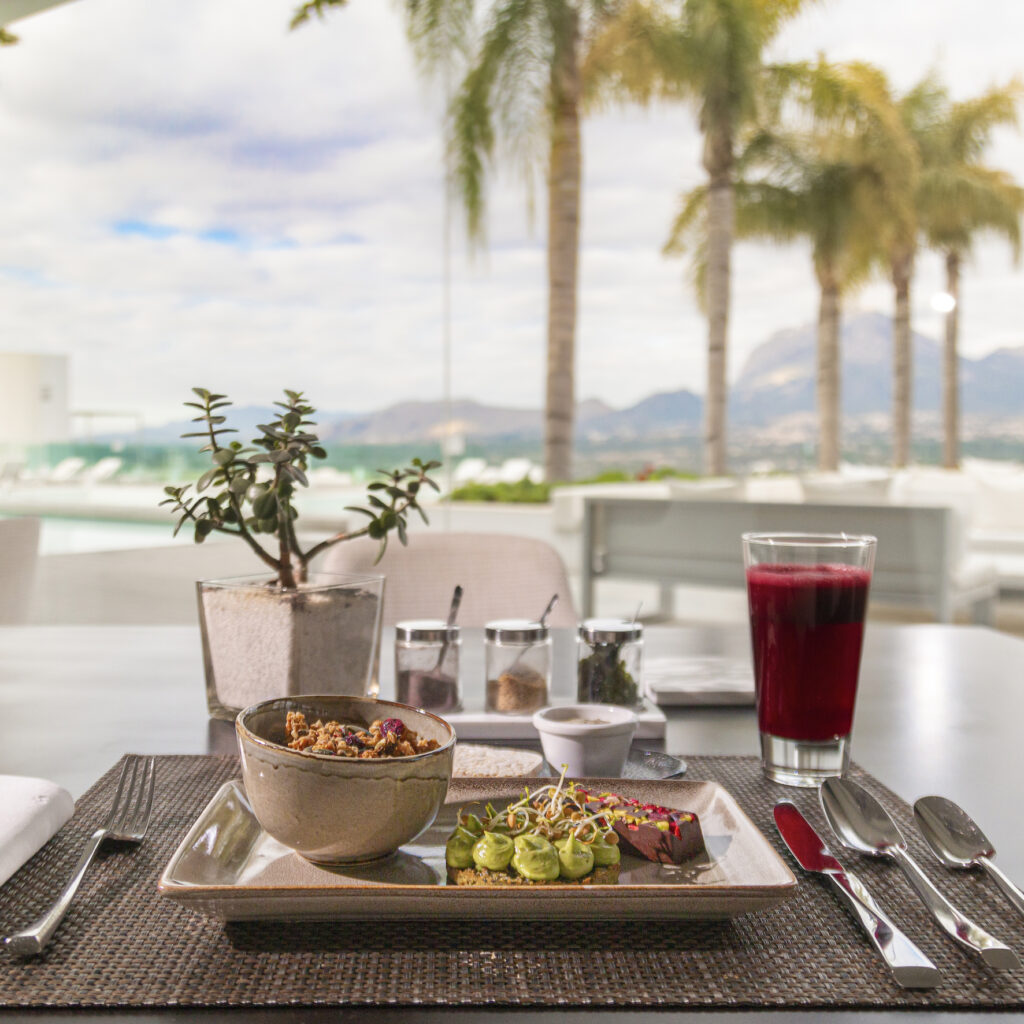
Food at SHA is its own revelation. There is no dairy, no processed fats or sugars, no meat, no caffeine. On paper, this sounds like punishment. In practice, it is surprisingly abundant and colourful. Meals arrive three times a day, plus dessert, and there is none of the grim, monastic energy that sometimes accompanies “clean” eating. This is not deprivation disguised as discipline. It is food designed to reduce inflammation, support gut health and make you feel noticeably better.

As with the therapies, SHA’s nutrition philosophy draws from both Western and Chinese medicine. There are two main menus: the SHA menu and Biolight, the latter designed for those on calorie-restricted plans. As I was on a more flexible programme, I often went for Biolight, occasionally adding a dessert from the SHA menu. Personalisation was everywhere: I noticed different-sized bowls arriving at different tables and, at one point, watched a chef politely explain to a guest that the dish he had spotted someone else eating was not part of his plan.
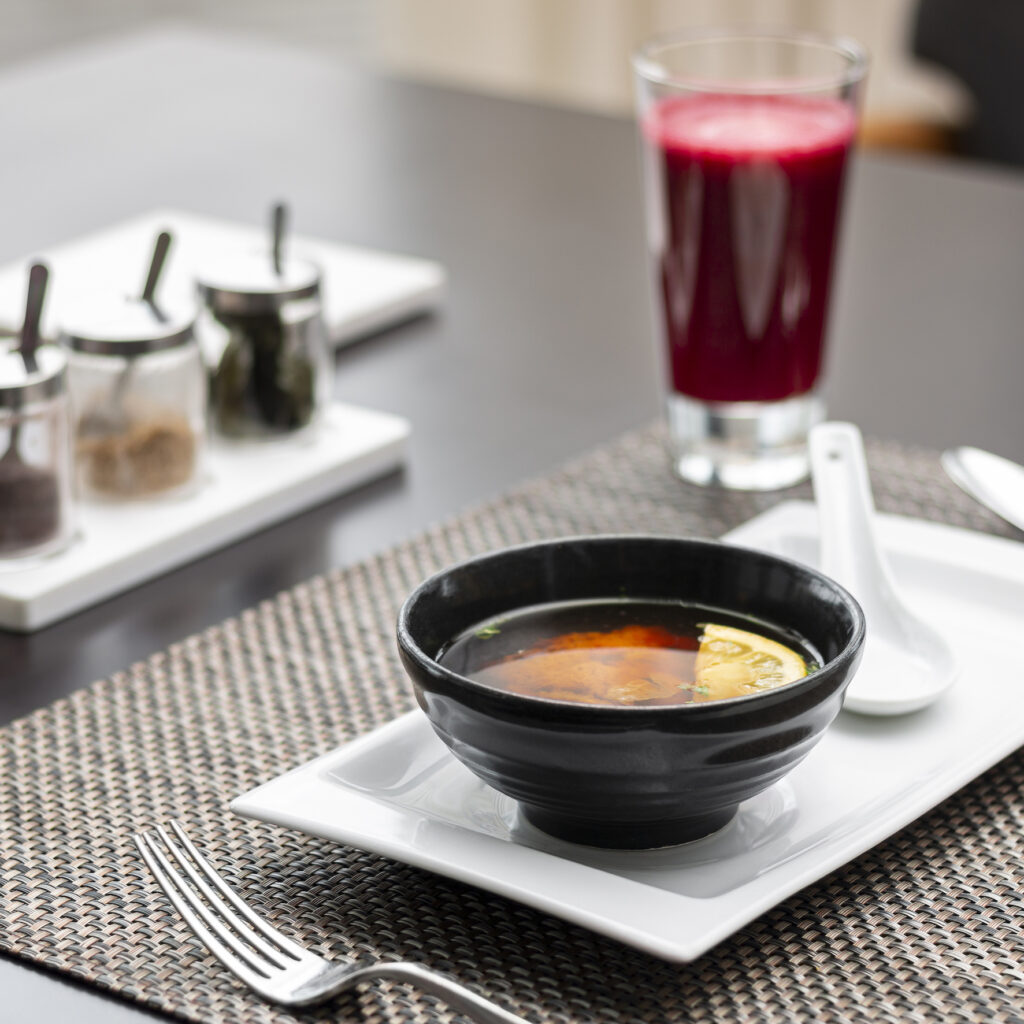
A typical breakfast could begin with miso soup, followed by natural yoghurt with fruit and granola, guacamole with crudités and a protein bar. Lunch might be a salad followed by lentil curry or vegetable paella, while dinner could start with vegetable soup and continue with a generous serving of fish and vegetables. Dessert ranged from cocoa panna cotta to roasted pear with miso and macadamia ice-cream. Wine, alas, was not part of the prescription.
Shepherd sees nutrition as one of the key tools for metabolic health, particularly in midlife, when many women experience changes in weight and body composition that seem to happen suddenly. SHA’s approach, she says, is not to offer a quick fix but to help women understand what is happening in their metabolic system and how to create “metabolic flexibility”. Nutrition, she adds, is a major part of reducing inflammation, while gut health is affected by stressors, hormonal shifts and the food we eat.
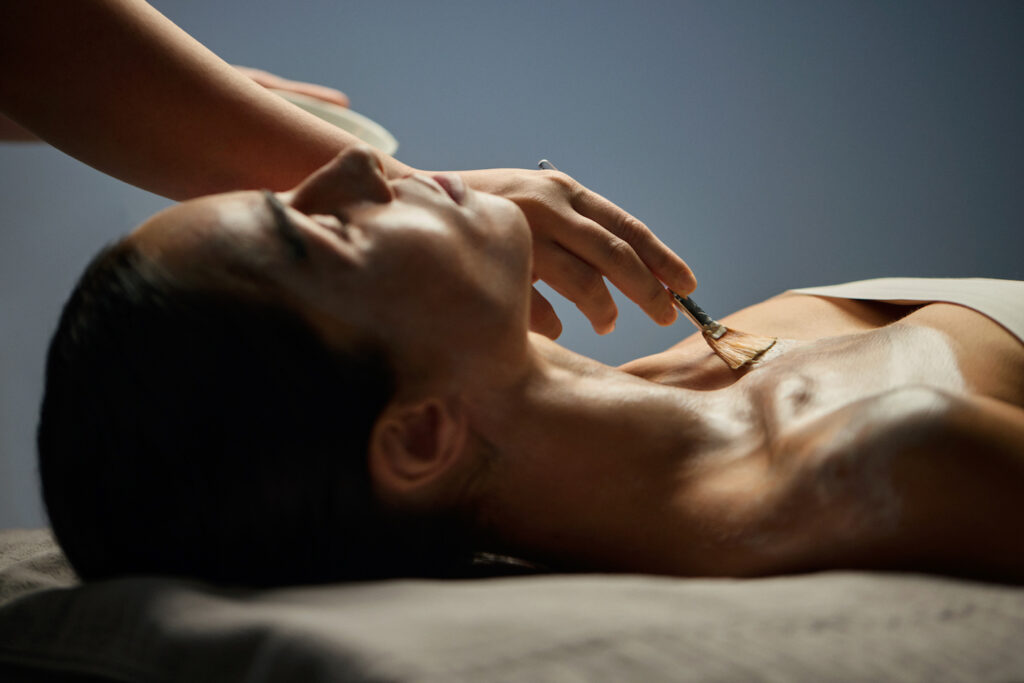
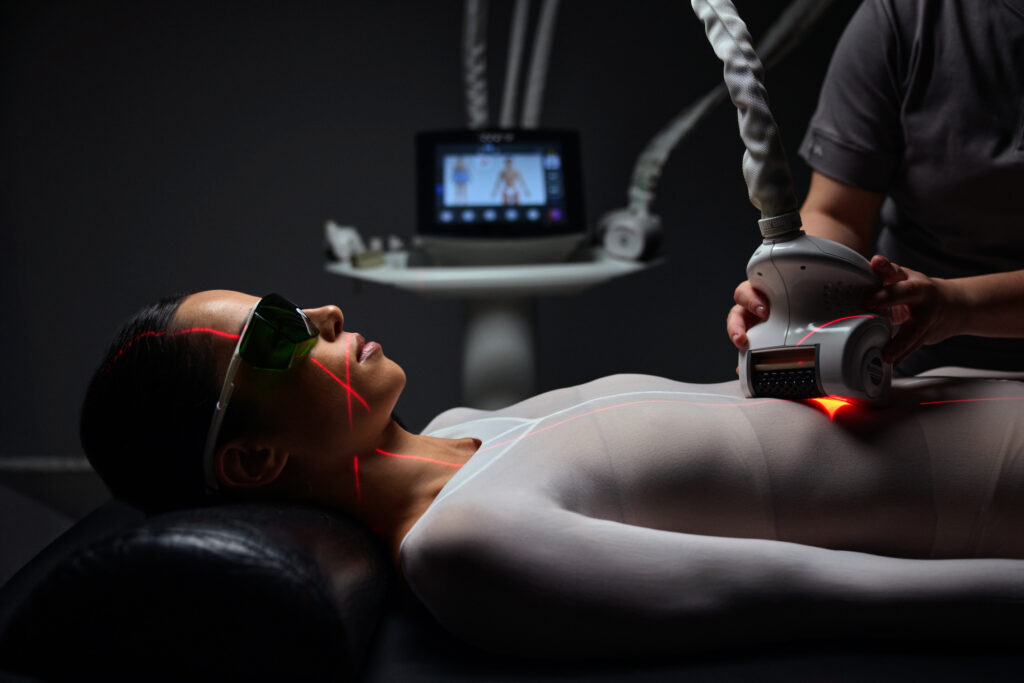
After the assessments and consultations, the next four days unfolded in a blur of therapies, some deeply soothing, others so futuristic they made me feel as if I had accidentally wandered into a Bond villain’s private clinic.
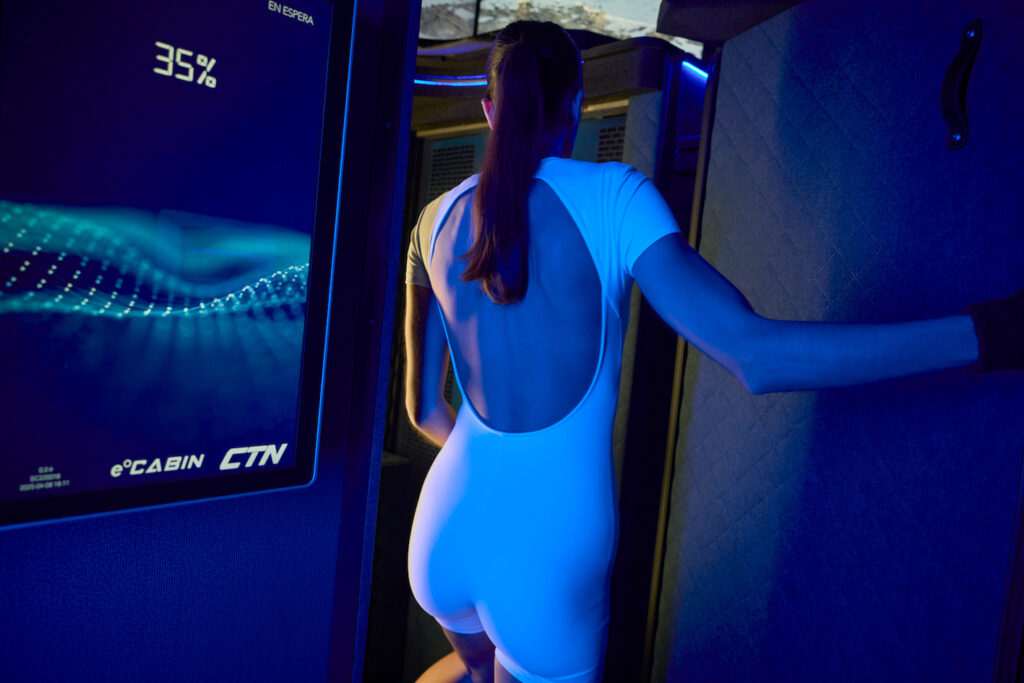
I followed a programme that had been personalised to my test results. There was acupuncture, Watsu, an Ayurvedic poultice massage and Abhyanga massage —therapies with familiar, comforting aims: to release tension, improve circulation and calm the nervous system. Others required a slightly larger leap of faith, including GAH intravenous ozone therapy—an essential nutrients serum delivered directly into the bloodstream —cryotherapy, and time in the hyperbaric chamber.
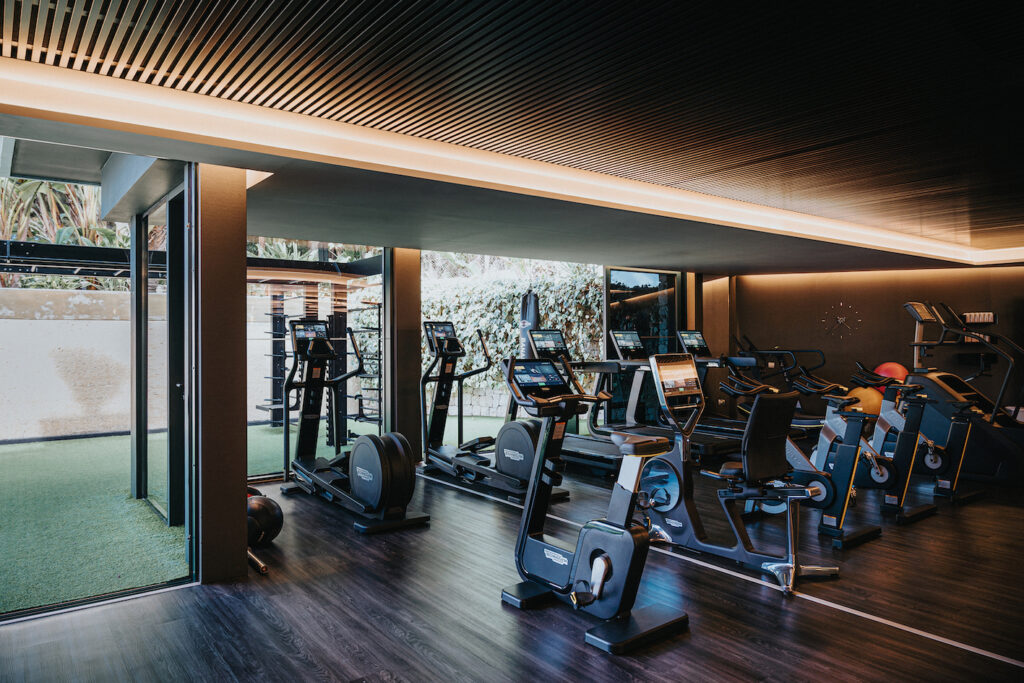
Fitness was woven throughout the stay, with personal training sessions at a Technogym-equipped gym, a private yoga class and a private reformer Pilates class, plus the option to join group sessions.
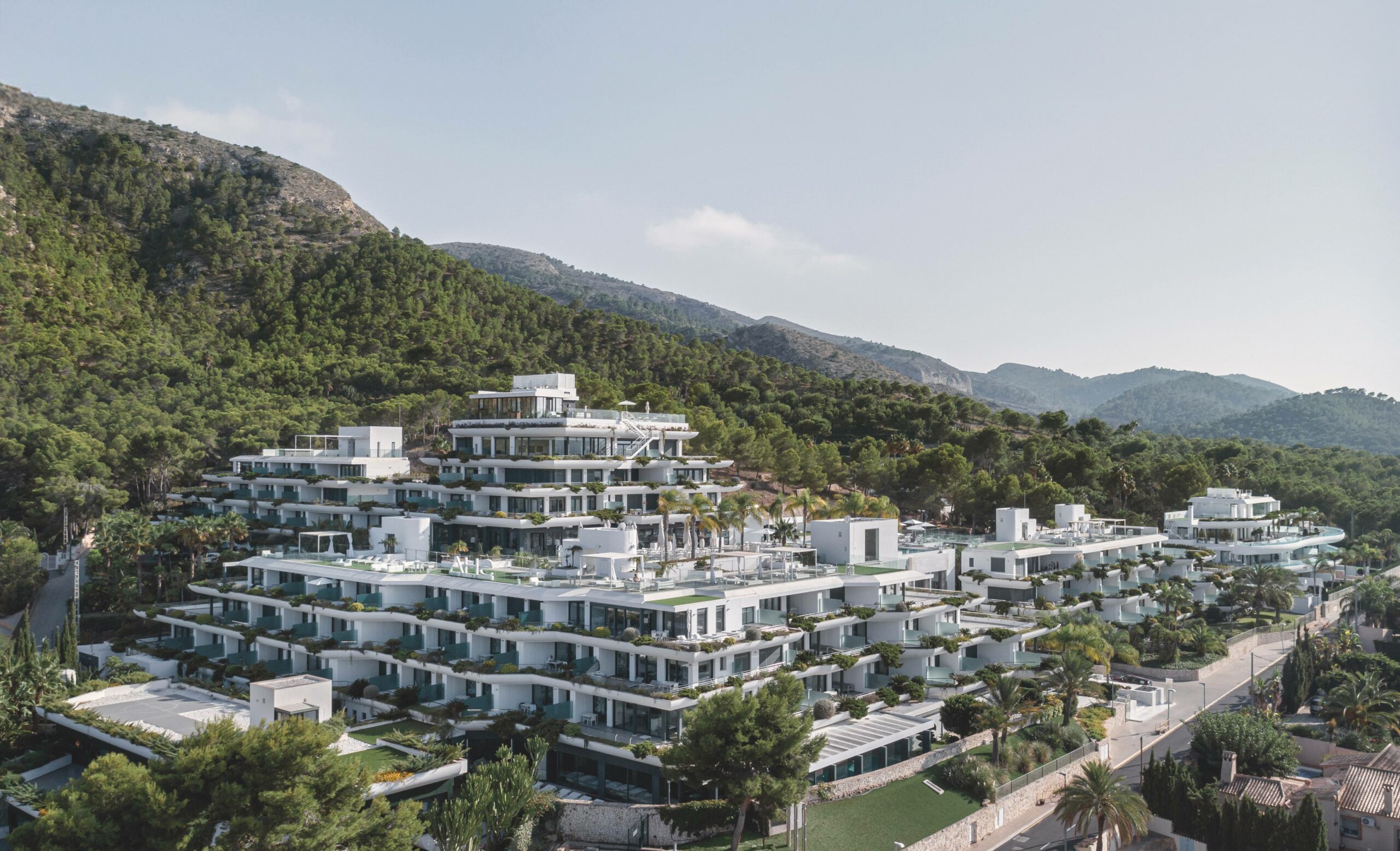
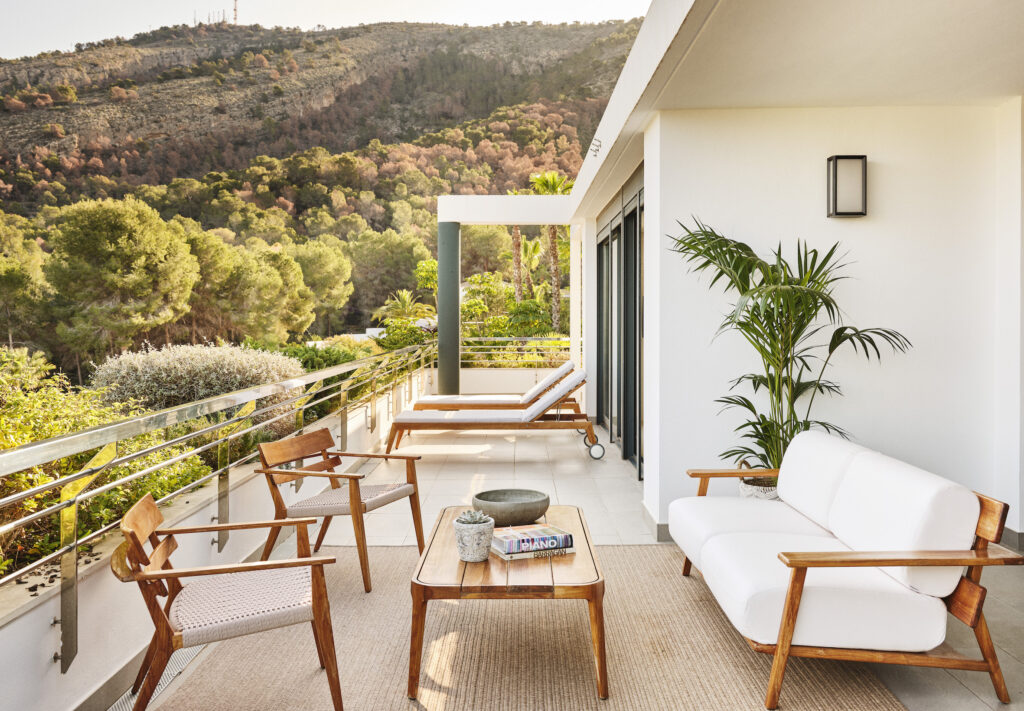
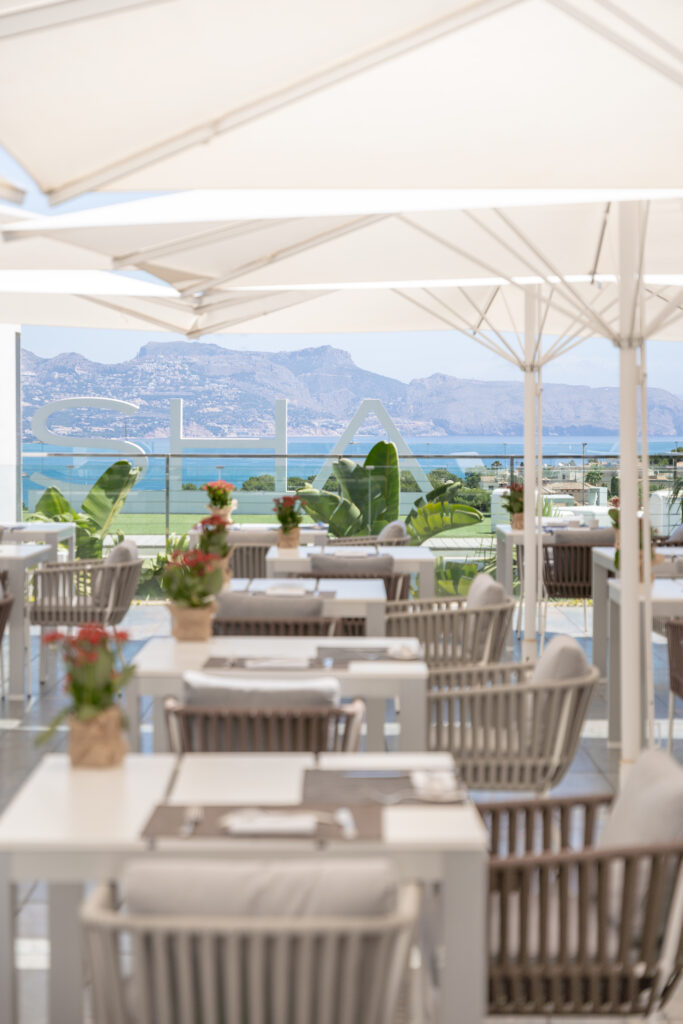
Between appointments, the setting becomes part of the treatment. SHA Spain—a 45-minute drive from Alicante airport—sits high above the Mediterranean, a serene sweep of pale stone, glass and sunlit terraces, with views that make you stop still. My room, like many others, was bright, minimal and newly redesigned, with a terrace looking out to the hills. It was laid out like a suite, with a living area, a comfortable bed with a pillow menu, a walk-in wardrobe, a marble shower and all the mod cons you could need.
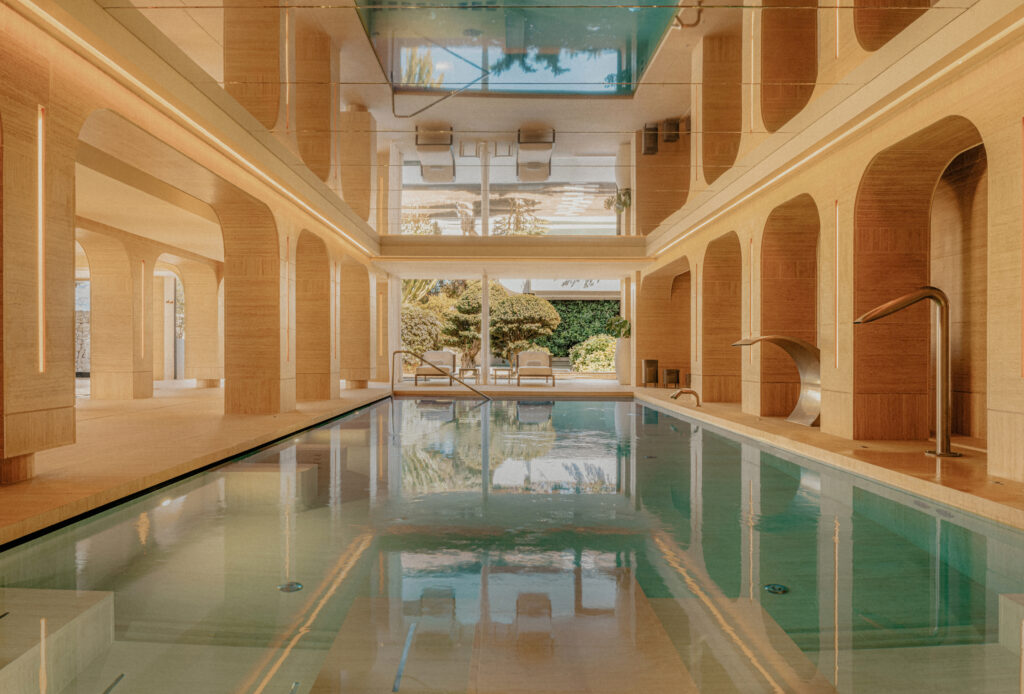
Elsewhere, there is an outdoor infinity pool, a newly refreshed indoor pool and Hydrotherapy Circuit, library lounges, a cinema room, a culinary studio for cooking classes, an art gallery and, at the top of the building, a roof terrace with loungers, daybeds and another pool. The whole place has the kind of calm that makes it feel entirely natural to drift around in a robe and slippers, make-up free.
The programme carries the same softness. There is an undercurrent of kindness at SHA that prevents the experience from becoming punitive: the point is not to shame you into becoming someone else, but to show you where you are, explain why it matters and give you a plan that can continue after you leave. This, Shepherd says, is what separates SHA from wellness experiences that feel wonderful fleetingly but do not necessarily translate into long-term change: “There are many places that make you feel good in the moment, but is that enough to create a sustainable lifestyle change?”
SHA’s goal, she says, is to create a personalised programme that allows guests to sustain the longevity outcome they are looking for. The continuity matters. The information gathered during a stay is kept so that returning guests can build on previous results rather than starting from scratch. “Anything in wellness, anything in health, requires constant touches,” says Shepherd. “The ability to continue where you started, maybe to navigate setbacks and get back to where you need to be—that all requires a team.”
There is, inevitably, a luxury to being so closely looked after. It is not normal life to have doctors, nutritionists, therapists, trainers and chefs quietly conspiring to improve your wellbeing while you move through a sunlit clinic in a robe. I was abruptly reminded of this when I returned home and had to go to the supermarket. But the best wellness experiences leave something behind that survives re-entry. At SHA, that was not a miracle transformation, but an awareness of the body as an interconnected system—and of the female body as something that deserves to be studied, heard and supported with far more seriousness than it historically has been.
Prices from €850 per guest/night, including accommodation, and the women’s health pack, which is a supplementary cost, can be added to 7-, 10- or 14-night stays—for seven nights, the pack would cost €1,300 on top of the €4,375 Rebalance & Energise programme, for instance. For women who have spent years being told that their symptoms are normal, vague, hormonal or simply part of getting older, the experience feels quietly radical—and, for those seeking answers, perhaps worth the investment.
The most useful thing I was told at SHA was not that I was ageing well, although I will naturally be dining out on that for some time. It was that living well is not a passive state. It is something that has to be built—with muscle, food, sleep, recovery, data, hormones properly understood, and the unglamorous but essential ability to relax. Hormones, it turns out, is not a dreaded word. They may be the key to understanding everything else.