At the Sandoval brothers’ two-Michelin-starred restaurant, dinner unfolds as a journey through rooms, rituals and refined Spanish flavours—where the spirit of the asador meets modern gastronomy.
At Coque, Madrid’s theatrical dining destination, the brothers Sandoval have built something rare: a restaurant with genuine soul, where the ancestral ritual of the asador becomes a voyage through rooms, flavours, and memory.
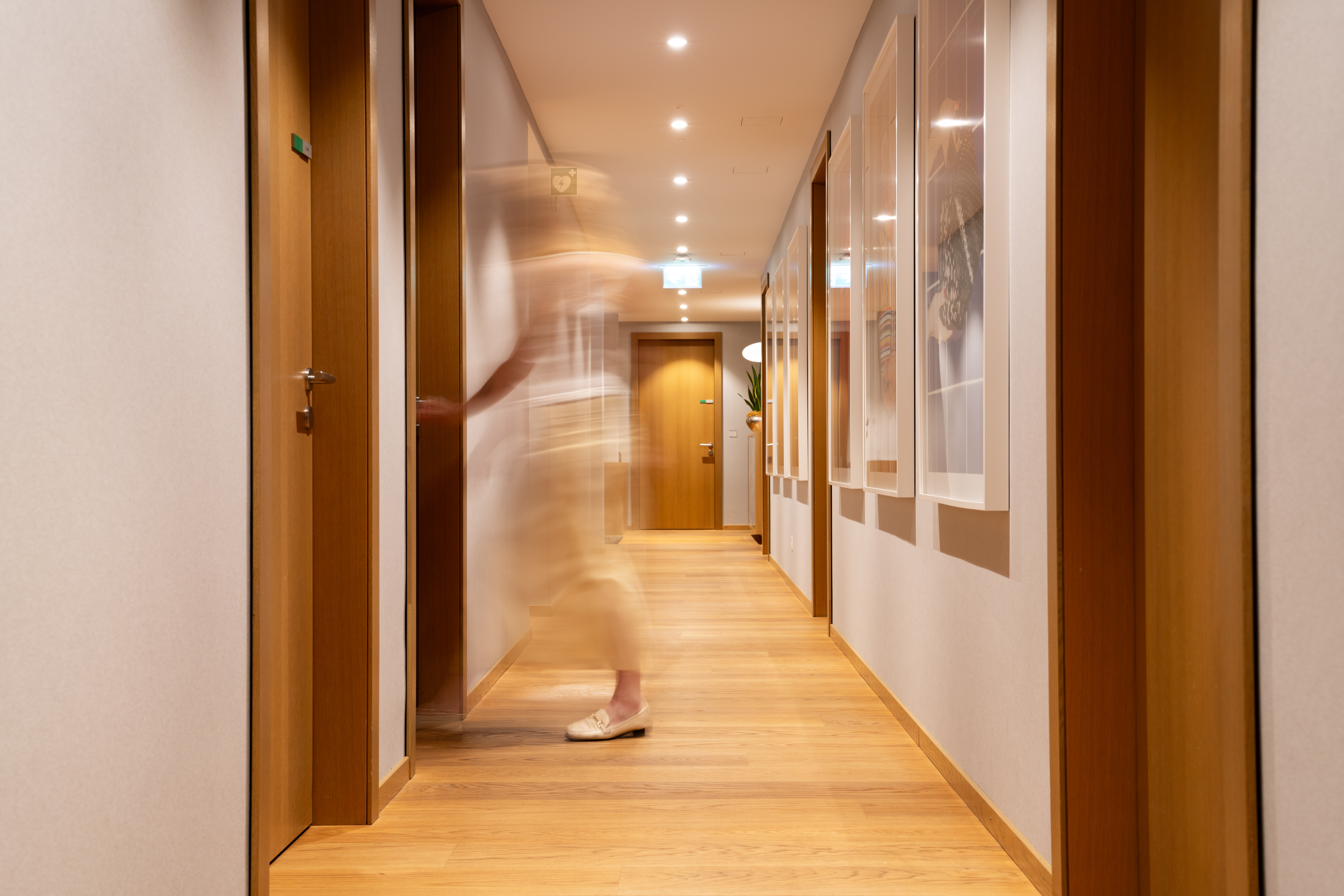
There is a moment, early in the evening at Coque, when the ritual announces itself. You are led not to a table but on a journey — into a cocktail bar of considered dimness, through a wine cellar humming with temperature-controlled quiet, past a kitchen alive with the hiss and rattle of the chefs’ preparations. By the time you finally take your seat in the dining room, the meal has already begun.

Coque, housed in the capital’s Almagro neighbourhood, has held two Michelin stars for many years. The distinction feels apt: this is cooking of genuine intellectual ambition, yet it never loses sight of the asador tradition from which it sprang. Mario Sandoval, the youngest of the brothers who run the restaurant, is a chef deeply rooted in Spanish culinary heritage, and it shows in every plate.
The evening begins at the Macallan cocktail bar found in the basement, where an intimate setting of live music and dim lights create a speakeasy atmosphere, with a whisky-based cocktail and appetisers.
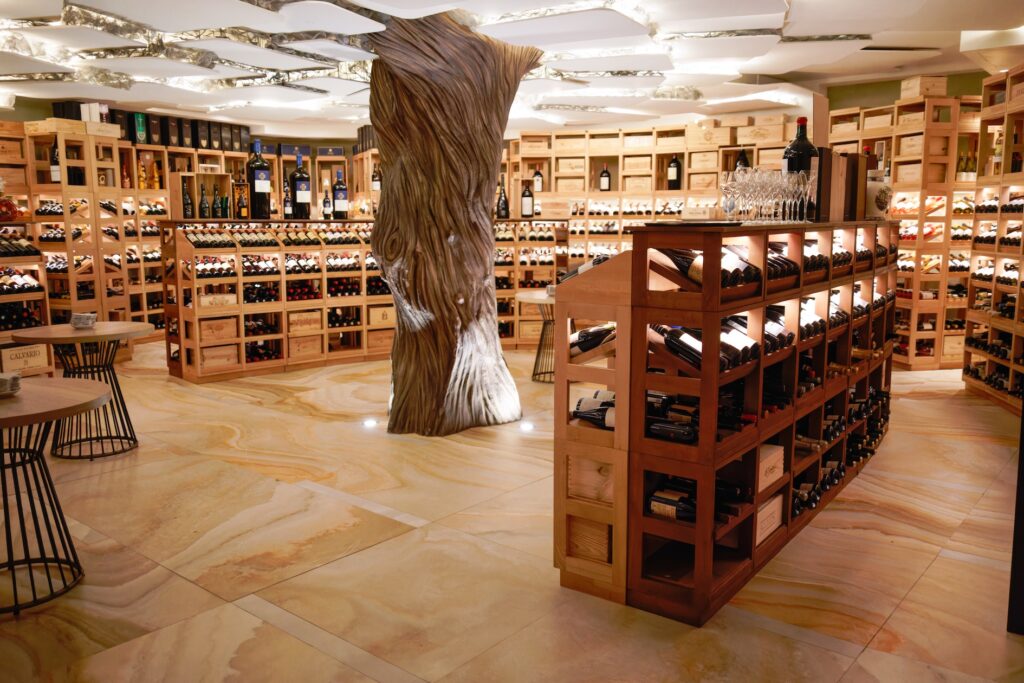
From the cocktail bar, the procession continues. In the wine cellar, guests are welcomed with a glass of cava. The selection on the surrounding racks is a considered tour of the vinous world: Bordeaux heavyweights share space with New Zealand whites and, naturally, an extensive library of Rioja and Ribera del Duero. Sherry, drawn straight from the barrel and blended with ox-bone consommé, is served as a savoury aside — one of those combinations so instinctively right it is impossible to imagine the ingredients having been otherwise arranged.
Each room has its own character and purpose, and the cumulative effect is one of genuine theatrical engagement rather than gimmickry. The kitchen pass, where guests briefly witness the controlled intensity of service, provides orientation: you understand how, and most of all why, your meal is being made.
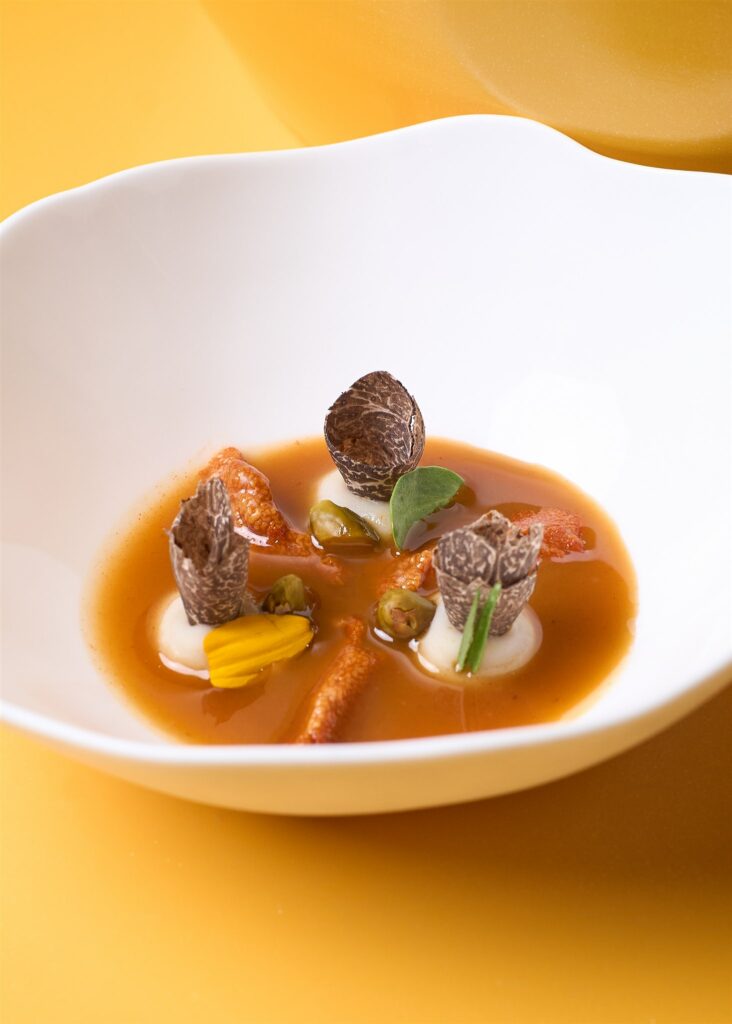
The cooking itself occupies the productive tension between classical Spain and contemporary technique. A snack of clam with pepper is clever and playful, the heat precise rather than aggressive, present enough to demand attention without overwhelming the delicate brine of the clam. Sea urchin with truffle achieves a different kind of balance: the earthiness of the truffle is applied with a light hand, its role to lift the sweet-salt character of the urchin rather than replace it. It is an elegant, assured piece of work.
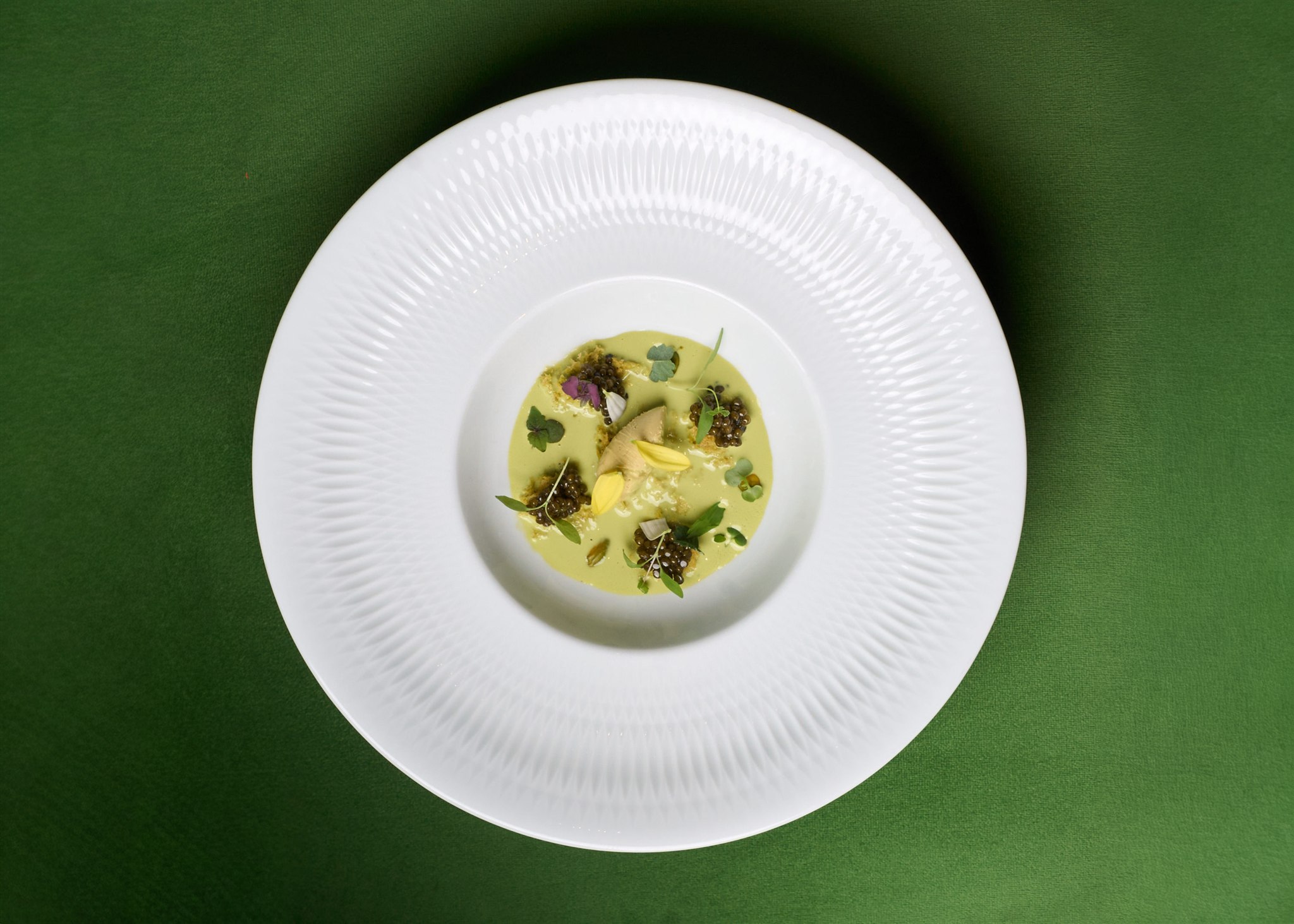
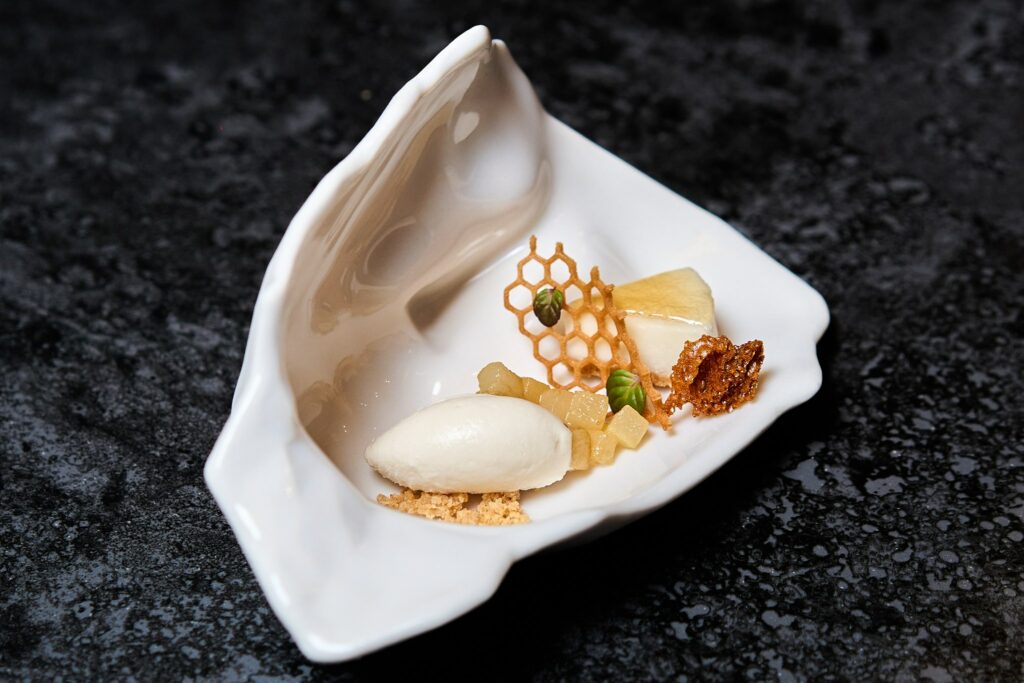
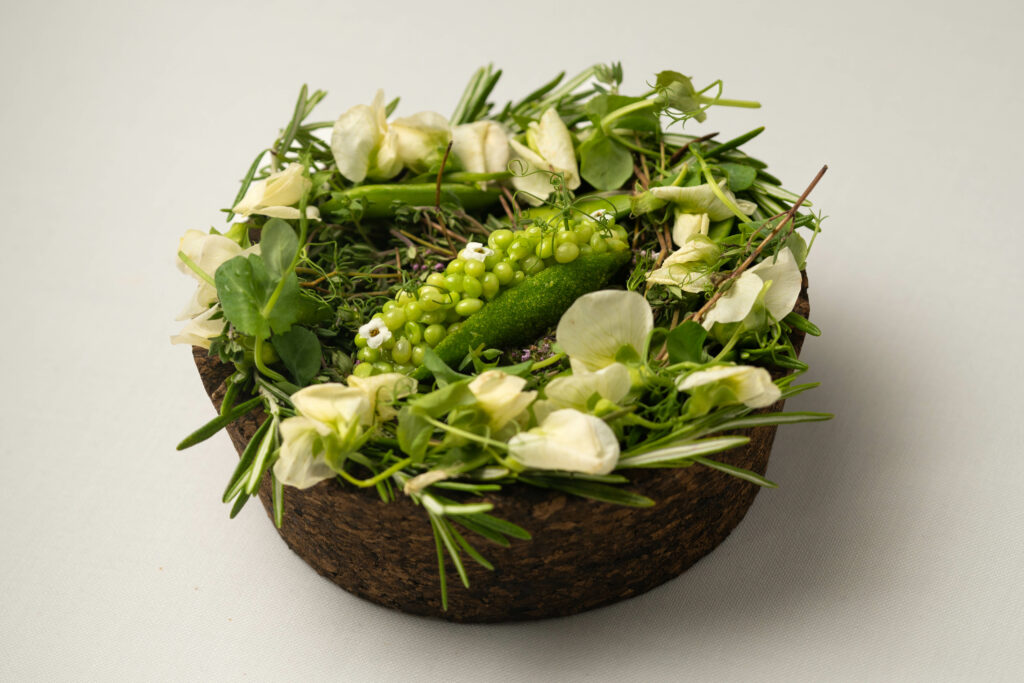
Across the kitchen’s succession of courses, the menu moves through the full register of Spanish produce. Green tear peas, coaxed from their pods and served with green mole, stand as a love letter to the vegetable. A chickpea dish, its roots in the great Madrid cocido, arrives as soup, hummus and chicken-broth jelly — a triptych of form and flavour drawn from a single ingredient. Pumpkin comes with béarnaise and truffle. A course of tuna, pulling from three distinct cuts of the fish — ear, neck, belly — is extraordinary: each portion melts cleanly on the palate, and a Verdejo wine chosen to accompany it proves an inspired pairing, its herbaceous clarity cutting through the richness without disturbing the fish’s natural sweetness.
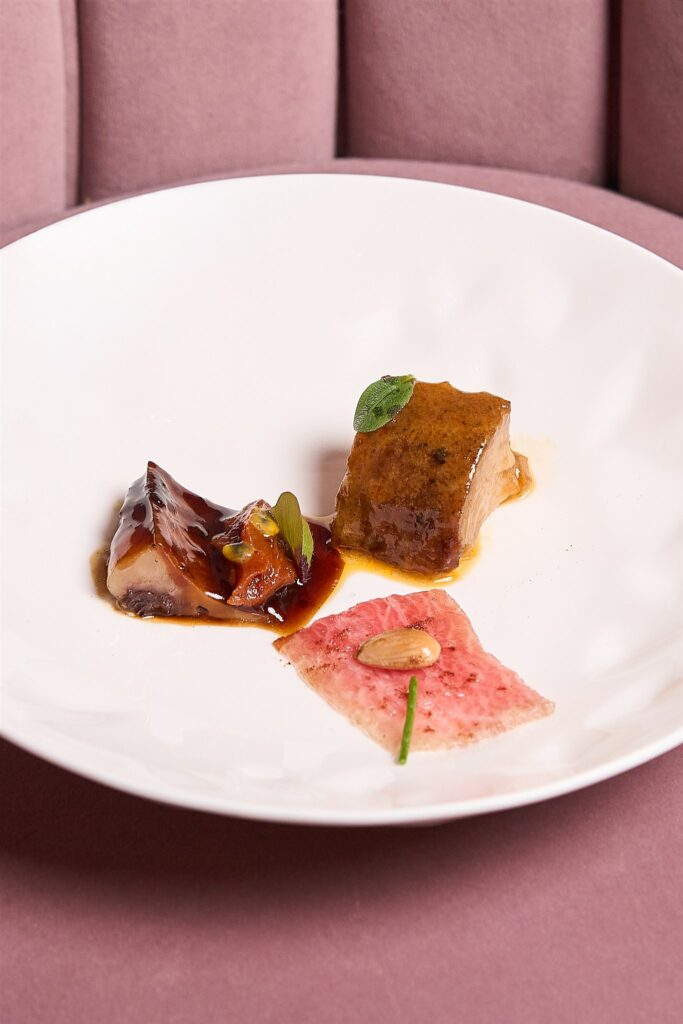
The meat courses carry the weight of the Sandoval family’s asador inheritance. Fighting bull, prepared with mustard, bull’s tail and pickles, is as Spanish as the corrida it references, an exercise in depth and confidence. Suckling pig — served across trotter, fritter and slow-roasted loin — completes the argument: here is a kitchen in full command of its Spanish materials and heritage.
Throughout, the service maintains the warmth of a family house without compromising the precision of a great restaurant. Small details accumulate into a larger impression: napkins arrive warmed, attentions are quiet and well-timed, no gesture feels performed.
Coque is not the kind of restaurant one visits for a single dish. It is an evening — one built around the idea of hospitality as a total experience, where the journey through the building is as meaningful as the food on the plate. In a city not short of culinary ambition, the Sandoval brothers have created something of lasting worth.