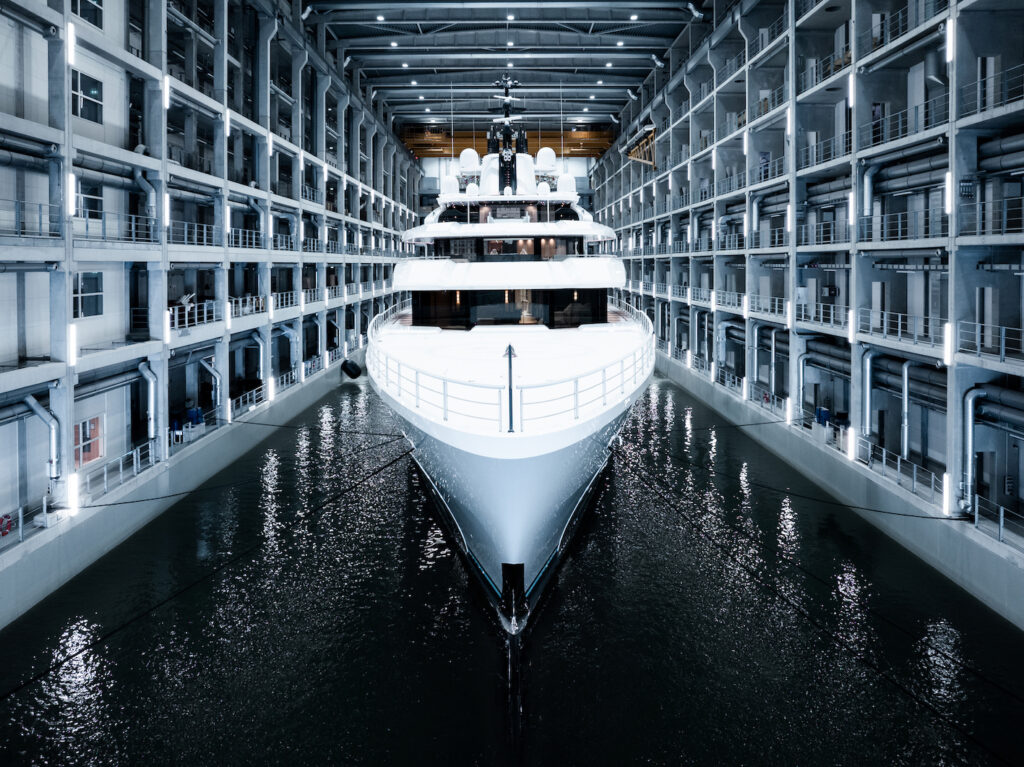
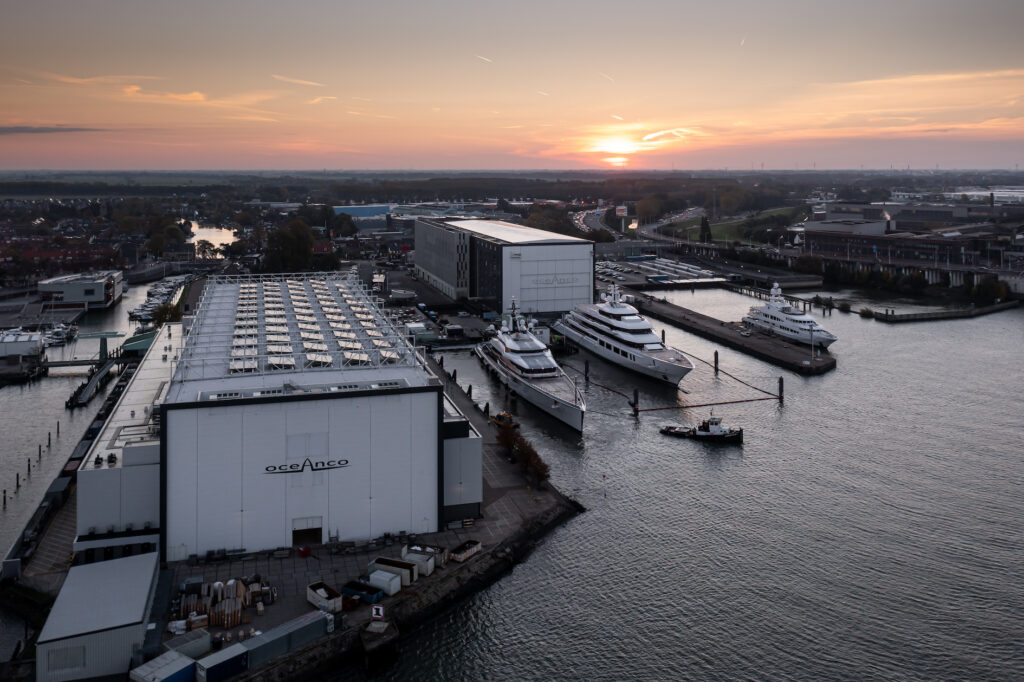
Renowned for its iconic yachts, Oceanco leads from within when no one is looking.
Shipyards are usually judged by what they launch, with headlines fixed on length, tonnage or technology. At Oceanco, the Dutch builder behind some of the world’s most complex yachts, those measures tell only part of the story. Spend time listening to the people inside the organisation and another narrative emerges—one that’s less about specifications, and more about people.
Paris Baloumis has been part of Oceanco for almost two decades, a period that spans a marked evolution in how Oceanco defines ambition. The group marketing director joined when the focus was firmly on product—engineering stretch, design experimentation and lifestyle innovations—and, alongside shareholder Theodore Angelopoulos, helped push those boundaries further. Under Dr. Barwani’s chairmanship, that ambition later expanded to include formalised project management, new facilities and a level of transparency still rare in the superyacht sector.
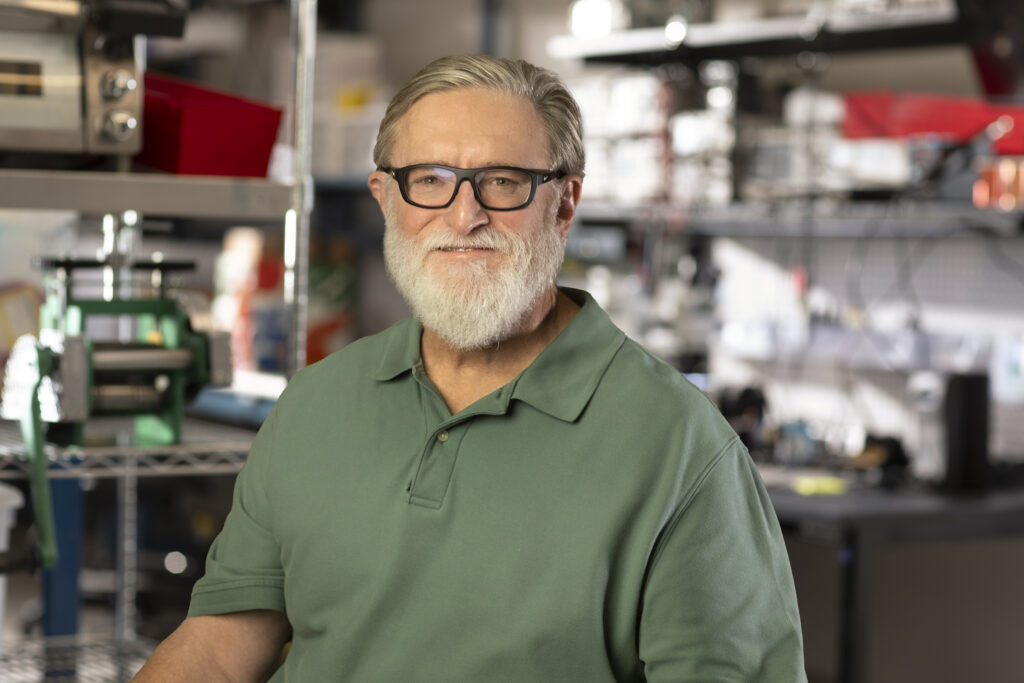
More recently, Gabe Newell joined as a new team member, and the focus has shifted further inward, placing people at the centre. Hierarchy remains, but largely as support, Paris reveals. “Expertise carries more weight than title,” he says. Those closest to the work shape outcomes, with responsibility distributed and trust binding complex projects together. For an organisation managing yachts of this scale and complexity, this approach might seem counterintuitive: conventional wisdom suggests that complexity demands control. Oceanco, though, operates according to the opposite belief—that trust should be the strongest form of structure.
That approach extends beyond the premises. Suppliers and partners are known internally and externally as “co-makers”, a term that signals long-term collaboration. Trust is treated less as a value statement and more as working infrastructure. Problems are shared early; mistakes acknowledged openly. “When nothing is hidden, people behave differently,” says Paris, adding that this results in long-standing relationships and a safety culture embedded in daily work.
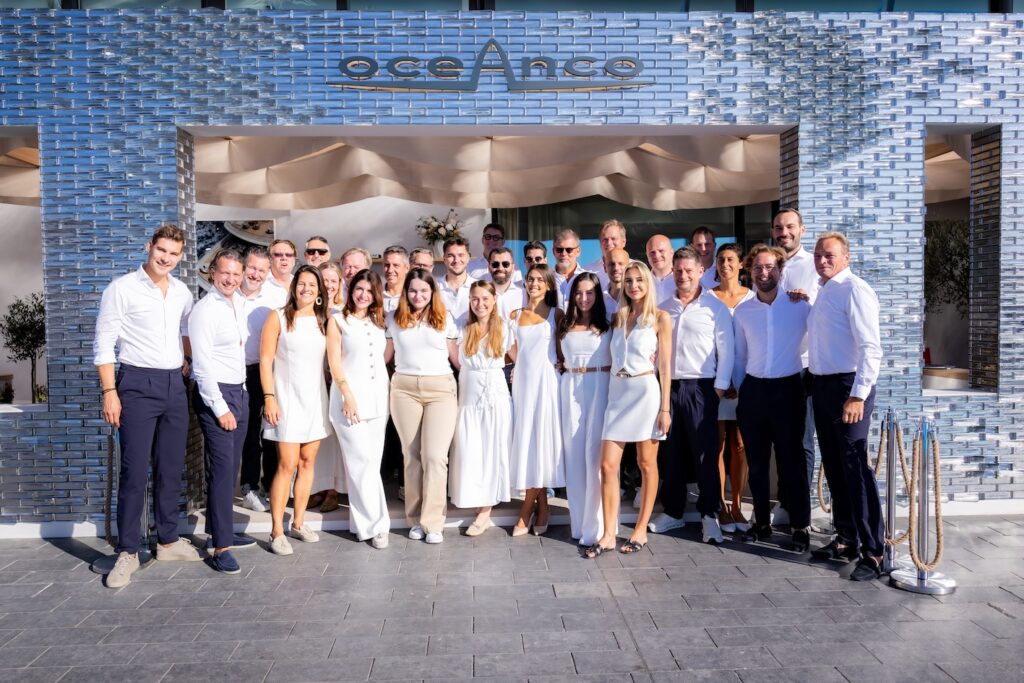
Although often described externally as a group, inside Oceanco the emphasis is on community. Paris likens the organisation to an orchestra: “Oceanco acts as the conductor, not the soloist,” he says. “The conductor does not tell a cellist how to play, they create the conditions for music to emerge. In this view, real value lives in teams aligning around a shared goal, not in titles or legal entities.”
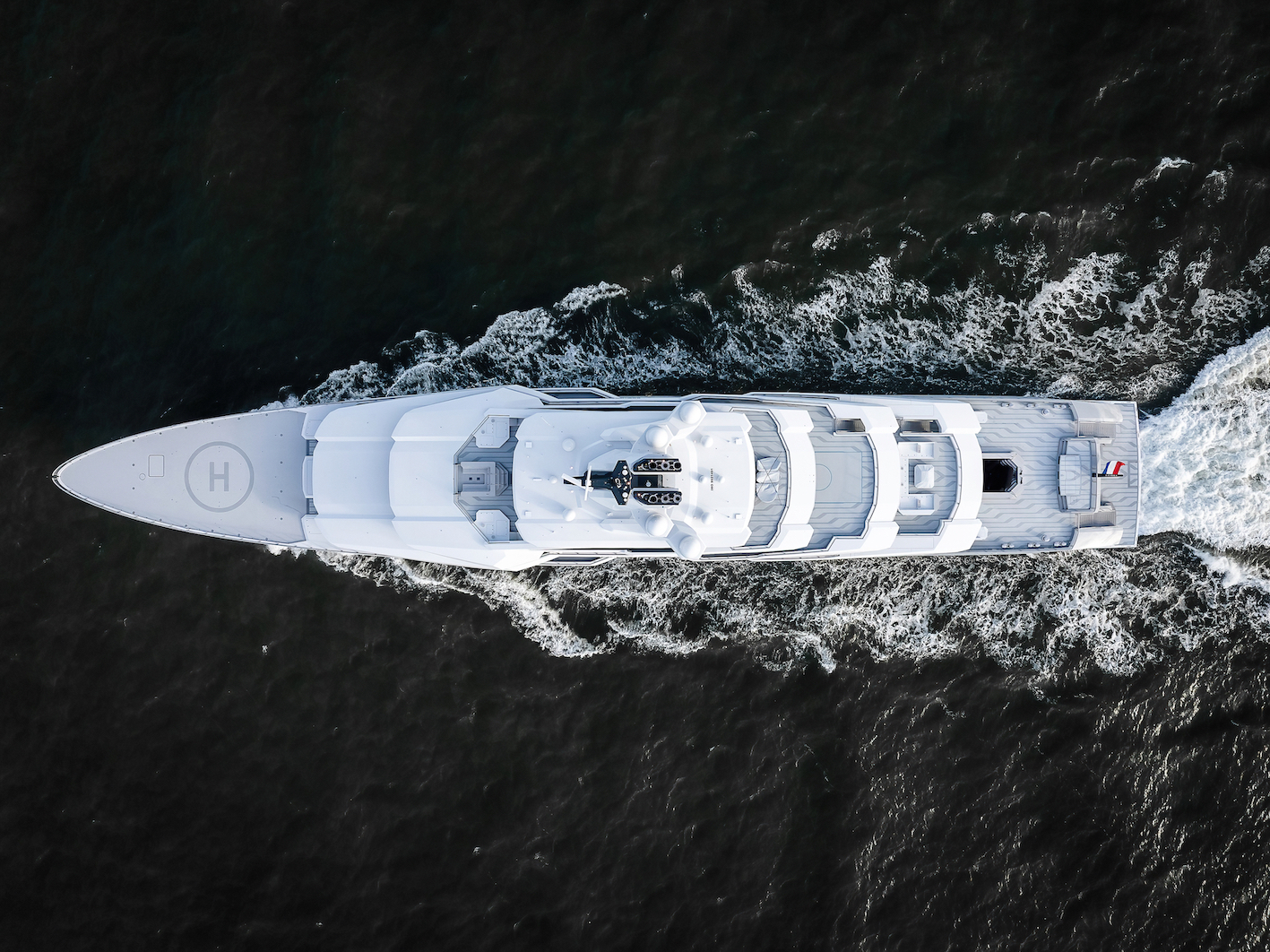
Recognition follows the same logic. On the 111-m Leviathan, delivered in November, a glass wall bears the names of more than 3,000 contributors, a reminder that authorship is shared. Innovation, too, is collective and collaborative.
The yachts may be what Oceanco delivers to the world, but it is the community behind them that gives the work its longevity. Until now, that story has largely gone untold.