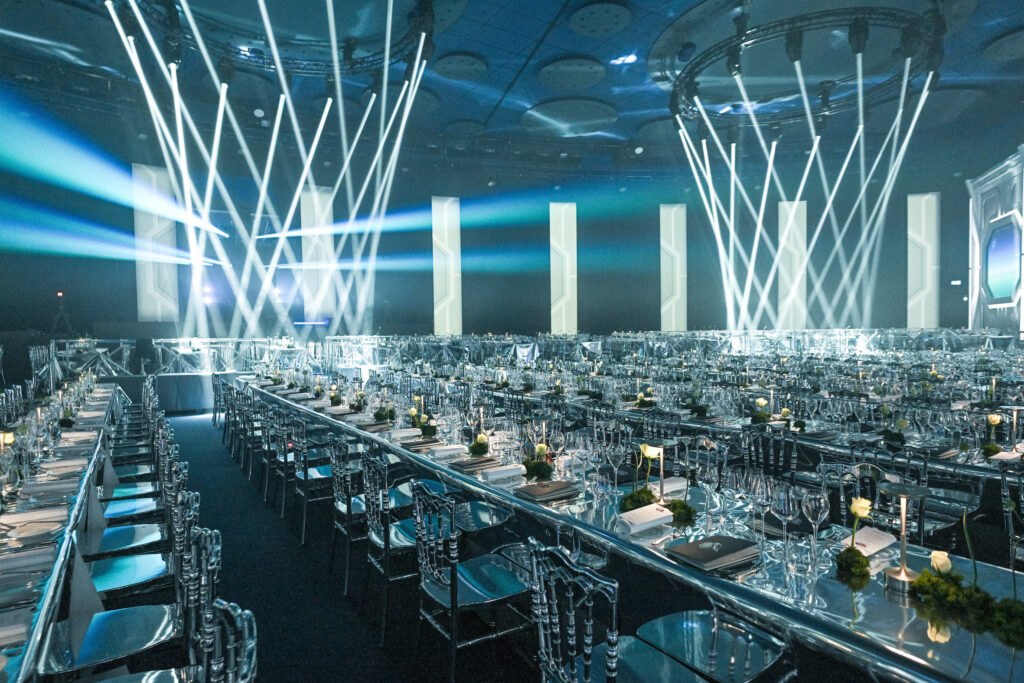
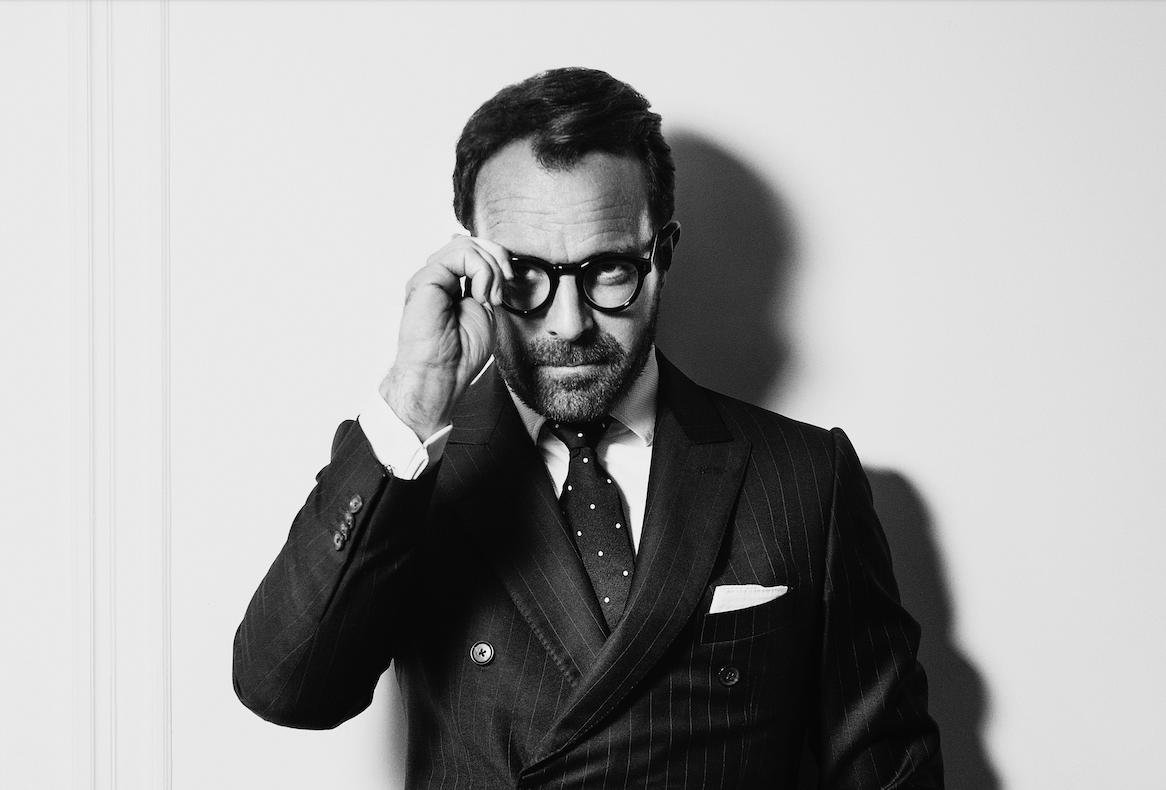
For more than 25 years, Jean-Philippe Braud has imagined and orchestrated large-scale projects for leading luxury Maisons across fashion, high jewellery, watchmaking, automotive, aviation, yachting and hospitality. Raised in the French Alps and based in Paris since 2000, he is known for conceiving and producing events that bring together design, storytelling and brand identity. One such project is the Grand Prix de la Haute Joaillerie, which he launched in Monaco in October— a celebration of mastery and creativity in the fine art of jewellery, underlining Braud’s long-standing connection to high jewellery. Following the success of the inaugural event, Braud offers an insight into his daily life, his view of design and the quiet elegance of true luxury.
How do you start your day?
Early! It’s a habit I’ve kept since childhood—and there’s no difference when I’m on holiday. I love that quiet, suspended moment when you can focus and mentally structure your day. Avocado toast, coffee, a look at some 20th-century design pieces and a quick glance at the weather forecast—sunlight and aesthetics are my daily boosters.
What items or mementos do you keep in your office?
A photograph of my son, a navy-blue Mercedes 500 SL gullwing 1:8 scale model, a fragrance that’s iconic to me—Bois d’Encens by Armani/Privé, a speaker re-clad by Berluti and two Michel Mortier armchairs. They’re simple but meaningful objects that have been with me for years.
Do you collect anything? Any notable pieces?
Not in a structured way, but a few cars, watches and contemporary art pieces. Nothing extravagant, just objects that stand out through their aesthetic, their story and their timelessness.
Which cars do you enjoy driving the most?
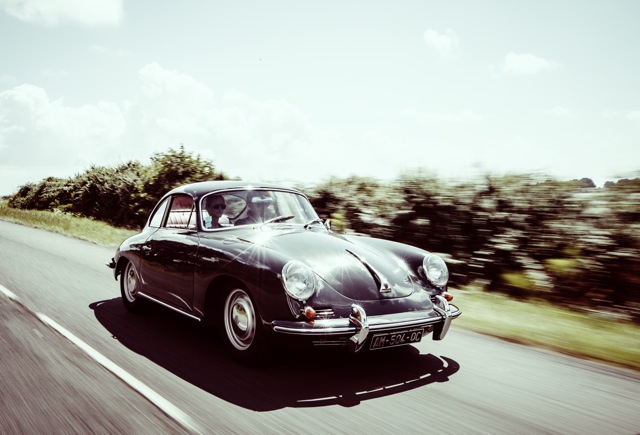
My Porsche 356 for its style and what it represents. Its interior was redesigned by interior architect Tristan Auer. Also my old Land Rover Defender when I’m in Menorca—it’s another kind of freedom. Events such as the UK’s Goodwood Revival or the Journées d’Automne in Reims are weekends that let me disconnect completely.
What does luxury mean to you?
Luxury is time. Time to think, to refine, to choose the right gesture, the right detail—something only visible to those who take the time to notice. It’s a rare, often silent emotion—something you experience more than you show.
How do you like to relax?
By spending time in Menorca, where I have a holiday home—surrounded by stone, silence and nature—enjoying the moment with family and friends, far from the lively stage that defines my professional world of events.
What is it you love most about the island?
Its light, its calm, its truth. Nothing is ostentatious there; everything feels right. It’s a place where I recharge, create and breathe. Kind of backstage in my life.
Apart from Menorca, where do you like to travel?
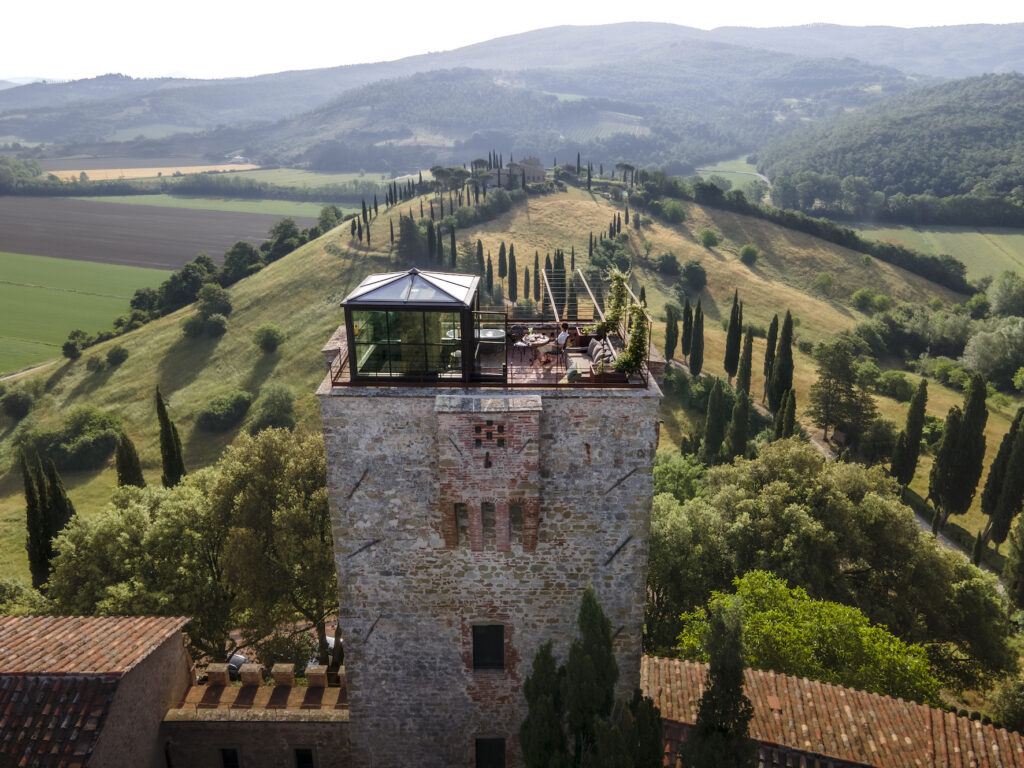
Spain, especially Andalusia; Italy, particularly Tuscany [the Reschio hotel]; and Sweden, especially Stockholm [the Ett Hem residences]. I love trips that blend culture, authenticity and aesthetics. You’re based primarily in Paris.
Any hidden-gem spots in the city?
Le Grand Café at the Grand Palais by my friend Gilles Malafosse for a dinner with friends; Gaya by Pierre Gagnaire, which to me remains a reference in simplicity, precision and truth; and of course Bar des Prés—the perfect place to share a moment with my 10-year-old son, who is always in awe of the mixologist.
Where do you spend the winter?
Courchevel remains my base for the season—work requires it. But I was born in the mountains, so it feels like a rebirth every year.

When you’re in Monaco, where do you like to go out?
I go to Blue Bay to say hello to my friend Marcel Ravin—his story and talent are “wow”. I go to L’Abysse Monte-Carlo for Yannick Alléno; Chez Pierre for a relaxed lunch; Marlow for the design—I’m a big fan of Hugo Toro’s work; and La Rose des Vents for summer nights.
Who do you admire most, and why?
Artists, artisans and architects who work in the shadows—those who quietly keep the world turning. Their humility is a lesson, their talent is a form of heritage that must be preserved because their work has made the world dream for generations.

Congratulations on the inaugural Grand Prix de la Haute Joaillerie. What drives your passion for high jewellery?
I see Haute Joaillerie as a form of intimate architecture—an art entirely devoted to the uniqueness of each creation. I think it’s this singularity that first fascinated me in a world I’ve been close to for more than 20 years. Creating an event around this art means celebrating craftsmanship, know-how, light and human creativity. The Grand Prix de la Haute Joaillerie was born from this admiration and the desire to offer a stage to those who elevate raw matter into art. I truly consider jewellery as part of our culture and heritage.
What’s the best advice you’ve ever received?
“Follow your instincts, but stay attuned to the world”. That has always guided me—moving forward with conviction without ever losing curiosity.