Hold the ‘youthful’ 25 year olds—ultra-aged spirits enter the luxury conversation.
There was a time when a 30‑year‑old whisky or a 50‑year‑old Cognac was a unicorn: something you heard about, rarely saw and almost never tasted. In 2026, ultra‑age has become one of the defining currencies of luxury spirits, as houses that once topped out at 21 or 25 years now routinely release bottlings of 30 or 40 years, sometimes even older. The wider numbers help explain why. The global luxury whisky market was valued at around €18.2 billion in 2023 and is forecast to reach roughly €38.6 billion by 2032, driven by rising numbers of high‑net‑worth consumers and growing demand for rare and aged whiskies.
Auction houses tell a similar story. Sotheby’s wine and spirits sales reached the equivalent of around €109.2 million in 2025, up 12 percent year on year. That does not mean every old bottle is automatically worth chasing, but it shows that the market for top-end spirits remains genuinely global, liquid and culturally relevant.


Elsewhere, rum producers talk about tropical ageing and single-cask releases as much as Bordeaux châteaux talk about micro-parcels, while tequila and mezcal houses have discovered that a well-judged extra añejo can command prices once reserved for XO Cognac. Even Armagnac, long the insider’s choice, is leaning harder into mature vintages from the 1960s and 1970s as points of difference. In each case, time is the headline: not just as a number on the label, but as a story about evaporation, concentration and the slow translation of wood into texture, spice and rancio.
Yet the central question for drinkers remains the same: does more age mean more pleasure? The best ultra‑aged spirits are extraordinary—complex, textural and often surprisingly fresh, with a sense of calm authority that cannot be faked. But age can also tip into dryness, bitterness or oak domination, and the market’s fascination with ever-bigger numbers and ever-more elaborate decanters can still confuse scarcity with quality. As with fine wine, the real art lies in knowing when to stop: recognising the moment at which time has elevated a spirit into something profound, and the point at which it has quietly taken more than it gives.
Best Gin: Cygnet 77 Swansea; Wales
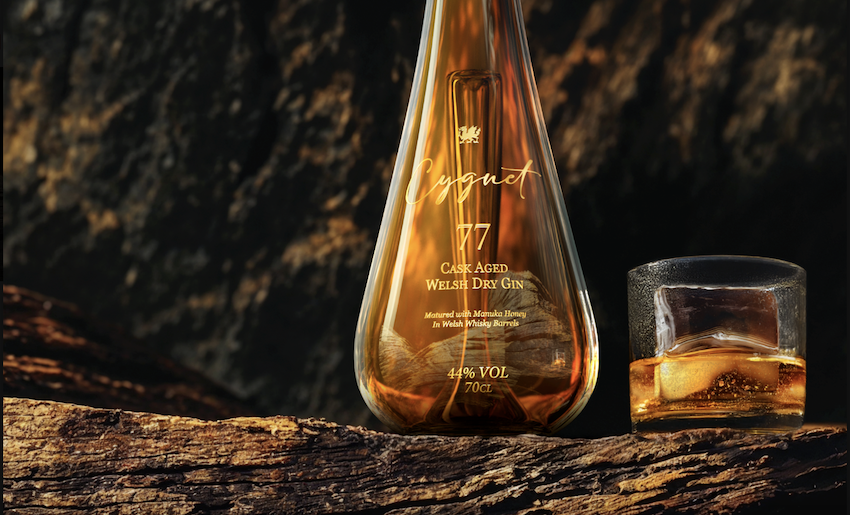
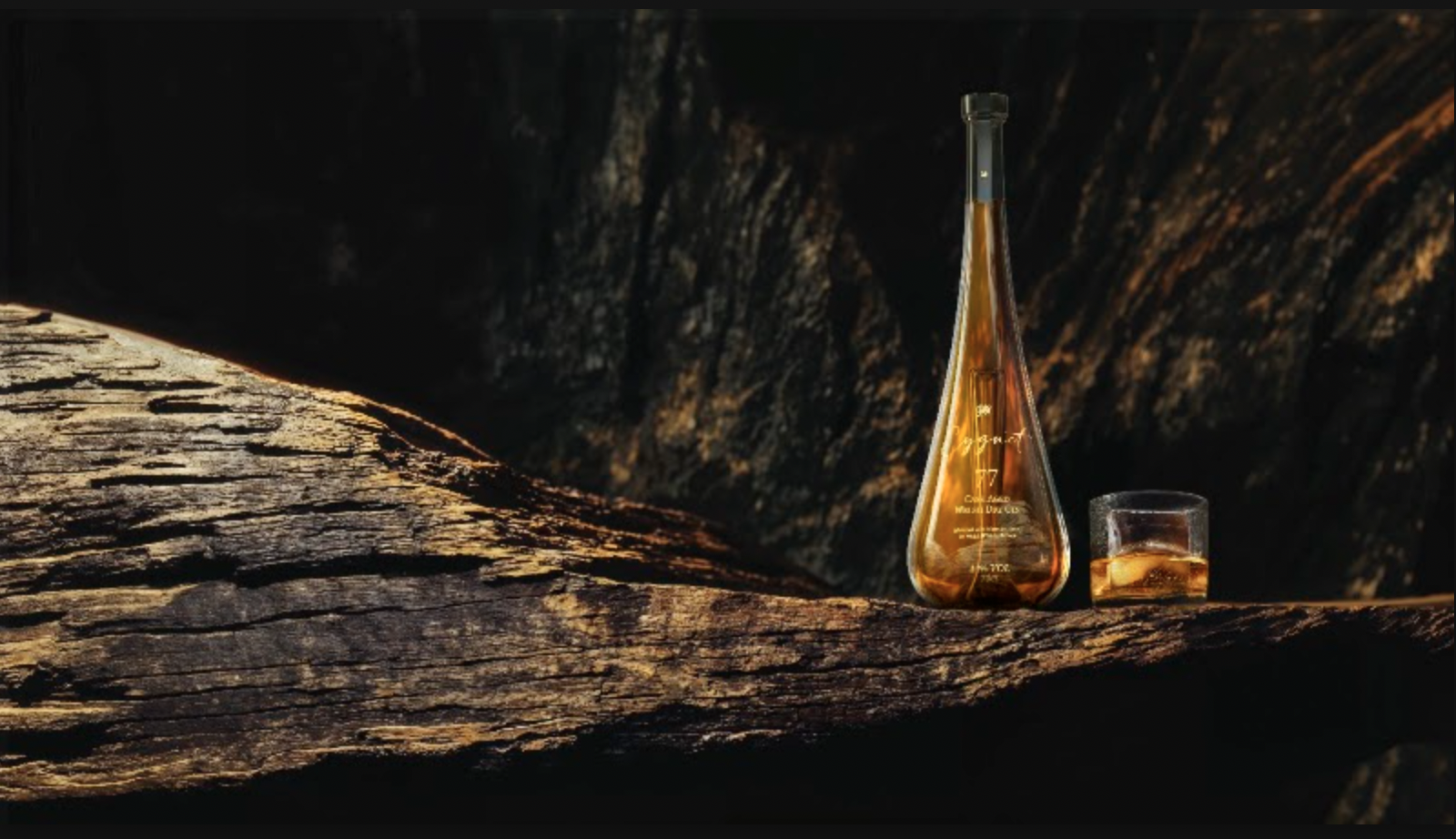
Cygnet is the passion project of Welsh mezzo‑soprano Katherine Jenkins OBE and her husband, film‑maker Andrew Levitas. Built on pure Welsh water and a female‑facing design sensibility, the range began with Cygnet Welsh Dry Gin and Cygnet 22, an ultra‑premium gin distilled with 22 botanicals—including Jenkins’s ‘secret ingredient’, Manuka honey, which she uses to look after her voice. Cygnet 77 pushes the botanical base into new territory: the award‑winning Cygnet 22 is rested with additional Manuka honey for over 12 months in ex‑Welsh whisky oak barrels, creating a cask‑aged gin designed for neat sipping and serious cocktails.
In the glass, Cygnet 77 has a soft, golden‑straw hue from its time in wood, presented in the brand’s sculptural, droplet‑shaped Eirlys decanter, designed to use up to 50 percent less glass than a standard luxury bottle. The nose is refined and meadow‑like, with the whisky casks adding a subtle undertone of vanilla and toasted oak rather than turning it into a whisky‑gin hybrid. On the palate, it is full‑bodied yet silky, with classic juniper at the core, supported by soft florals, delicate spice and the caramelised richness of Manuka honey, which brings depth and texture without cloying; the oak contributes a faintly woody, almost patisserie note that lingers into the finish.
Bottled at 44 percent ABV, it is pitched as an “unparalleled sipping gin”, best served neat over a large ice cube or in a minimalist martini, but it can also anchor a high‑end twist on a classic—for example, using Cygnet 22 for structure and length, then adding a measure of Cygnet 77 to layer on cask‑aged warmth and extra perfume. Around €75–€100 per bottle
Best Single-Malt Whisky: Gordon & Macphail Generations 85 Year Old; Speyside, Scotland
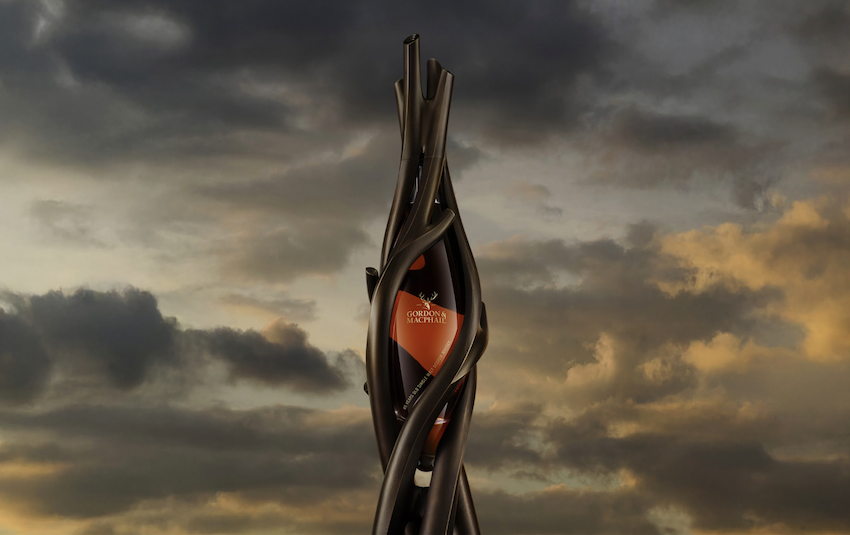
This is one of the most extreme demonstrations yet of what patient cask stewardship can achieve. Distilled at Glenlivet on February 3rd, 1940, during the darkest winter of World War II, the spirit was filled from new make directly into a Gordon & MacPhail oak cask, beginning a relationship that would last 85 years under the label’s care. The distillery has changed hands multiple times over the past eight decades, but the quiet continuity of family ownership behind this cask is a hallmark of Gordon & MacPhail’s approach.
Bottled from a single cask as part of the Generations collection, the release sits at the intersection of whisky, design and historical artefact, but the liquid itself is what justifies the theatre. In the glass, it has the kind of deep, polished mahogany glow that suggests huge concentration, yet the whisky remains astonishingly alive. The nose moves with remarkable poise for something of this age: old polished furniture, sandalwood, cigar humidor and resinous spice at first, then waves of black tea, treacle, orange peel, walnut, dried fig and the sort of savoury-sweet complexity that only very old spirit can muster without seeming forced.
On the palate, it is not tired or over-oaked; rather, it arrives silken and controlled, with dark fruits, molasses, antique oak, espresso bitterness and a flicker of clove and cedar, all held together by a surprising freshness that keeps the whisky moving. The finish is long, quiet and architectural, less about power than the slow unfurling of spice, dried fruit and old wood polish over several minutes. This is a whisky to approach almost as you would a great old Cognac or a venerable Madeira. Around €145,000 per decanter
Best Rum: The Last Drop N0 41; Trinidad And Tobago
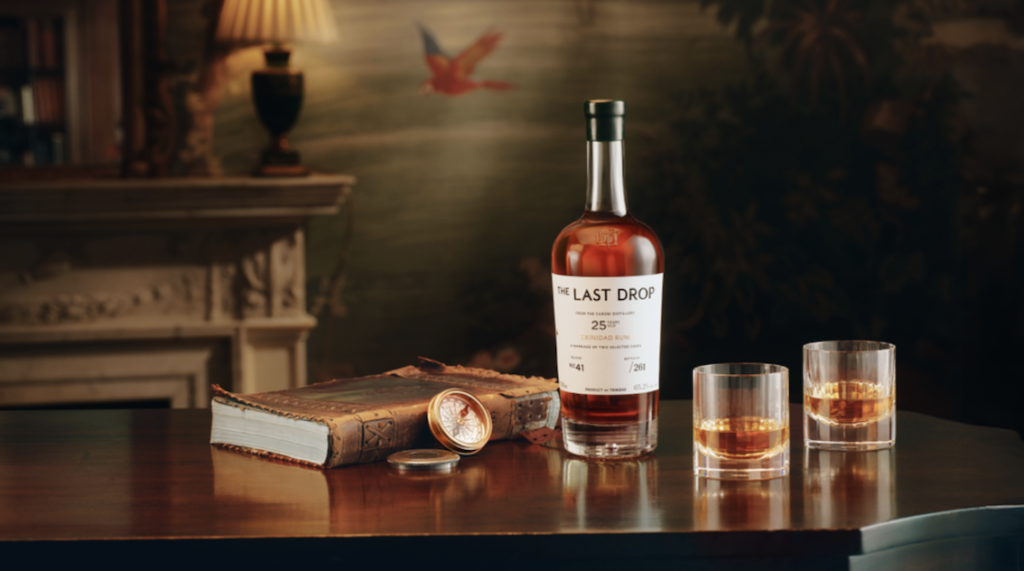
Caroni is the great lost name of Trinidad rum: a state-owned, ‘industrial’ distillery that closed in 2003 and was later demolished, leaving only scattered casks to explain why its reputation has since gone stratospheric among rum obsessives. For its 2026 Collection, The Last Drop Distillers has secured and married two bourbon barrels distilled in 1997 and 1999, bottling just 261 bottles of 25-year-old Caroni at a formidable 65.2 percent ABV (130.4 proof ). In the glass, the rum sits a deep burnished bronze, with slow, oily legs that speak clearly of concentration and time in oak.
The nose starts in classic Caroni territory—warm, toasted oak, singed brown sugar and a faint vestige of dunnage warehouse and engine room—before fanning out into grilled tropical fruit, vanilla pod and a mandarin-peel brightness, with a subtle floral top note that feels more like frangipani and citrus blossom than heady perfume. On the palate, the high strength is obvious but not brutal if you give it air and a splash of water: dense, dark-sugar richness is cut by tamarind and dried papaya, ginger-bread spice, a hint of cocoa nib and something green and resinous—banana leaf, maybe a touch of eucalyptus—keeping the whole thing on its toes. What smoke there is shows more as a smouldering, tar-and-molasses undertone than overt peat, a reminder of Caroni’s famously ‘dirty’ side without letting it dominate.
The finish runs long, dry and insistent, with firm tannins, dark spice and a lingering echo of bitter orange, burnt sugar and old leather; it is the sort of rum that stays with you for minutes, not seconds, and asks to be revisited rather than dashed off in one glass. Around €2,050 per 700 ml bottle
Best Liqueur: Dampney’s Golden Greengage; Hampshire, England
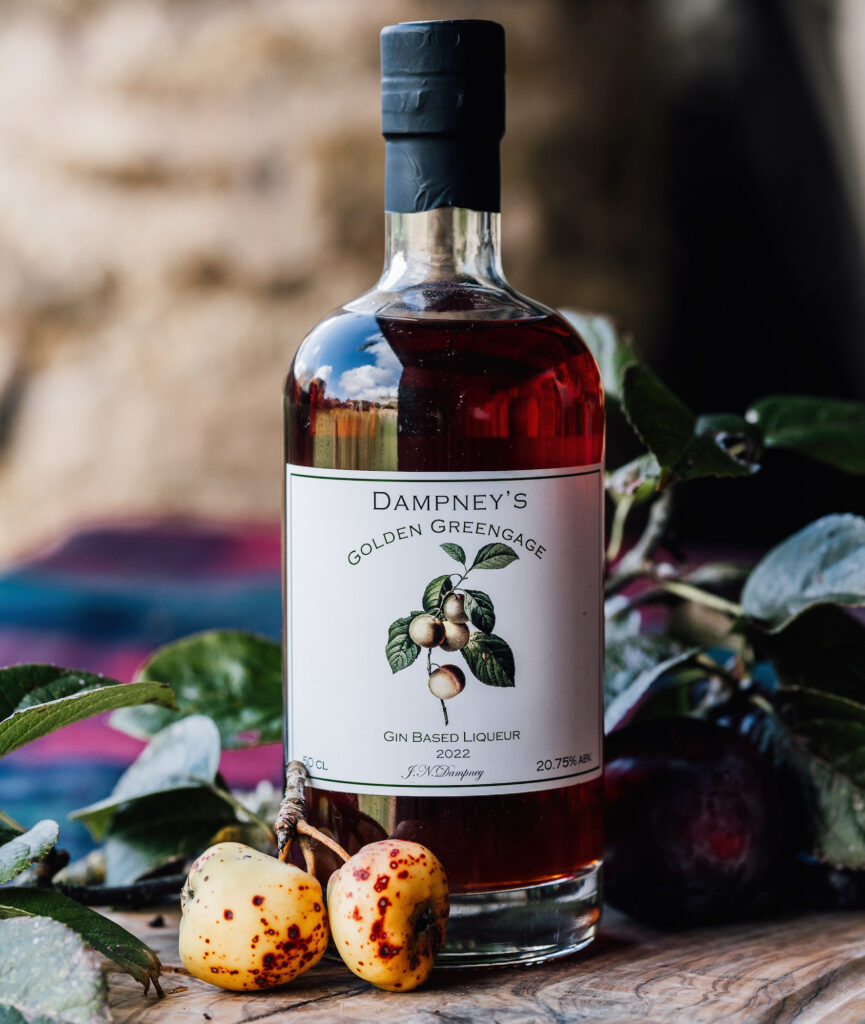
Dampney’s Remarkable Drinks is a small family outfit in the Meon Valley, turning real English fruit into traditional liqueurs by steeping whole fruit in quality gin and only bottling once the owners are happy with the final blend. Golden Greengage is one of the clan’s most distinctive creations: a gin-based liqueur built around ripe greengages from English orchards, a less common plum variety prized for its fine, honeyed sweetness and gentle acidity.
In the glass, Dampney’s Golden Greengage shows a golden-amber hue with a faint green glint at the rim, echoing the fruit that gives it its name. The nose is immediately inviting: ripe greengage and yellow plum, a touch of mirabelle, hints of blossom and a suggestion of soft baking spice from the stones, all underpinned by a quiet juniper and citrus thread from the base gin. On the palate, it is silk-smooth and gently mouth-coating, with juicy orchard-fruit sweetness balanced by a refreshing, lightly tangy edge; there is a subtle herbal note and a twist of lemon peel that keep it from ever feeling cloying.
The finish is longer than the low alcohol—20.8 percent ABV—might suggest, tapering off on dried apricot, almond and warm pastry notes. It is wonderfully easy to sip neat from a small glass, but also works admirably over ice, lengthened with sparkling wine, or as a refined English alternative to peach or apricot liqueur in a spritz. Around €30–€40 per 50 cl
Best Fine De Bourgogne: Sab’s Special Cask Wo4; Burgundy, France
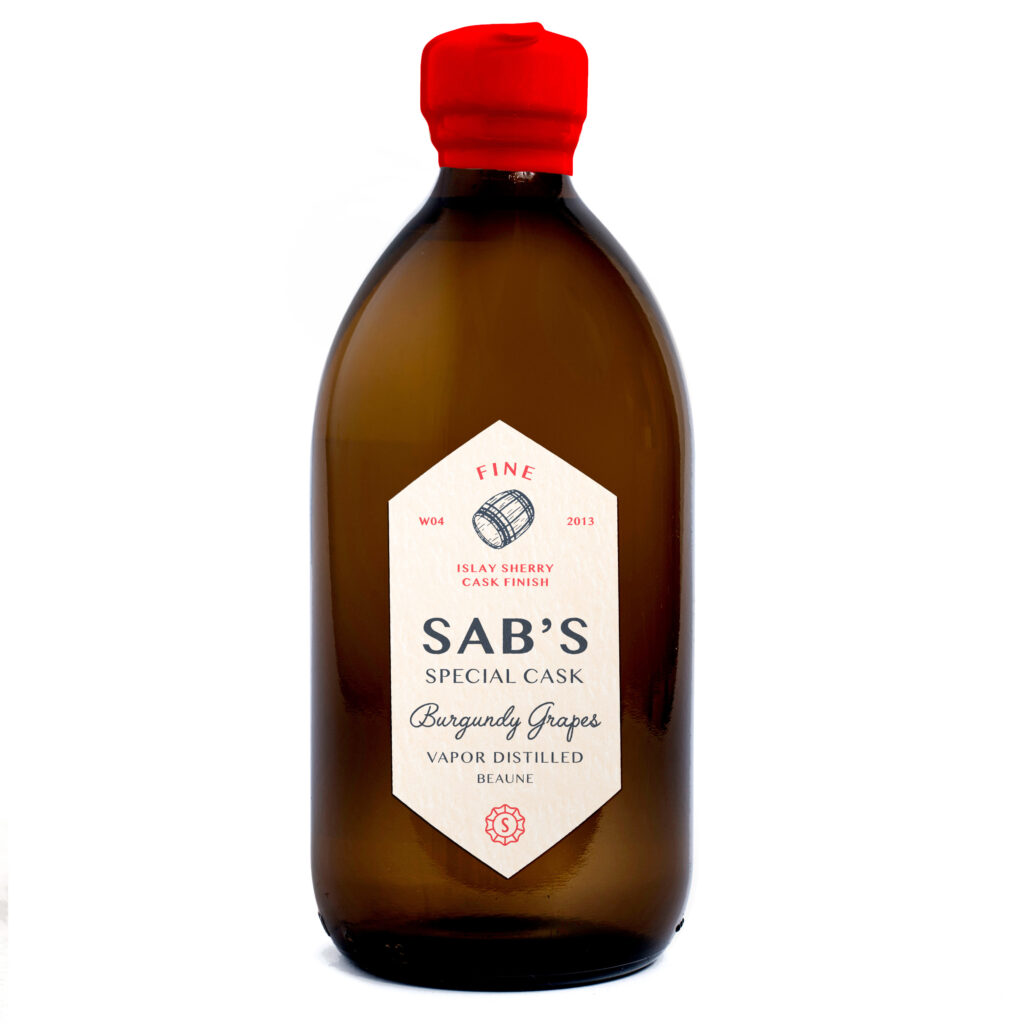
Fine de Bourgogne is Burgundy’s answer to Cognac: an eau-de-vie distilled from the lees of pinot noir and chardonnay, usually poured for locals and insiders rather than splashed across billboards. The tiny Beaune outfit, SAB’S, treats it with almost grower-Burgundy seriousness, working with a travelling still, long élevage in small barrels and an experimental approach to finishing. Batch W04/22 is one of its ‘Special Cask’ secrets—a très vieille fine distilled in 2013, raised in ex-Burgundy oak and given a final polish in an unpeated Islay sherry butt, bottled at 56 percent ABV in just 360 bottles.
In the glass, it wears a deep, burnished amber glow that feels more old cellar than slick luxury bar. The nose is inviting but not showy: ripe orchard fruit and citrus peel laced with vanilla, gentle spice and a savoury, nutty undertone from the sherry wood. On the palate, it is surprisingly fluid and graceful for the strength, carrying pear, quince and soft dried fruit into pastry, toasted nuts and a faintly saline snap that keeps it taut. The finish is long, dry and subtly herbal, with a touch of rancio that nudges you back to the glass without ever shouting.
This is less a trophy bottle than a quietly brilliant discovery, made in small numbers for people who enjoy following the conversation in the glass rather than the marketing. Around €65–€75 per 50 cl bottle
Best Limited-Edition Release: Bunnahabhain 35 Year Old Anniversary Edition; Islay, Scotland
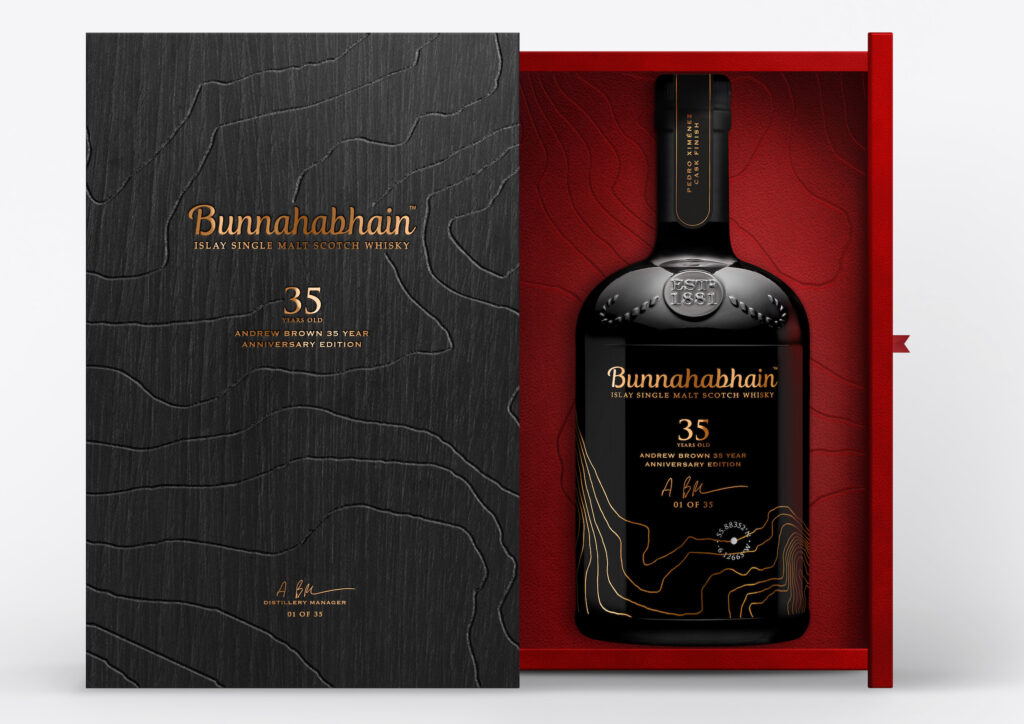
Much of Bunnahabhain’s evolution has taken place under the watch of distillery manager Andrew Brown, whose 35-year tenure at the site has seen him guide everything from core-range classics to one-off festival bottlings. This single malt—matured for the great majority of its life in a single ex-oloroso hogshead and finished for six months in a specially commissioned Pedro Ximénez firkin —reflects the cask profile Brown himself is said to favour.
In character, the 35-bottle release is exactly the kind of Bunnahabhain you would expect to be poured for the man himself: long-matured, measured and all about the slow layering of sherry cask and time. The long rest in oloroso and the final spell in PX push the distillery’s natural richness into deep, dark-fruited territory but there is still enough coastal lift to stop it becoming a mere sherry bomb. The palate is plush and velvety, with waves of dried fruit, cocoa, toffee and toasted hazelnut, a faint echo of tobacco and espresso, and just a suggestion of blackcurrant conserve from the PX, all framed by gentle oak spice.
Bottled at 40.9 percent ABV, it feels contemplative rather than combative in the glass, opening slowly as sweetness gives way to spice, a savoury, almost rancio-like depth and a long, warming finish where Bunnahabhain’s signature lick of sea-salt finally peeks through. Price on request
Best Chilean Pisco: Kappa Xo Elqui And Limarí Valleys; Chile
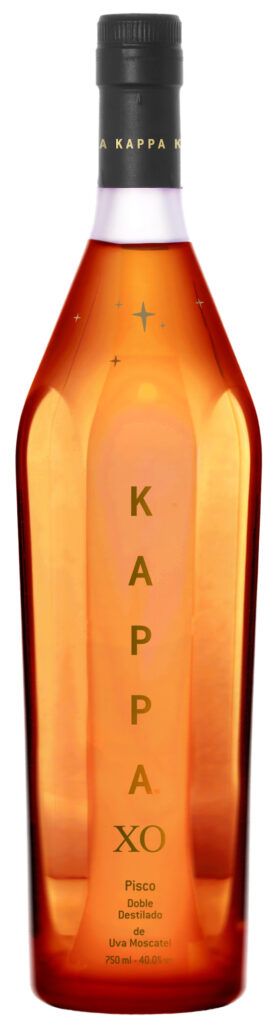
Created by the Bournet-Lapostolle family of Clos Apalta fame, KAPPA is its ultra-premium Chilean pisco range, named after the Kappa Crucis star cluster in the Southern Cross constellation—the so-called ‘Jewel Box’ that inspired both the celestial label and the idea of a spirit with jewel-like colour and brightness. KAPPA XO takes the concept a step further, drawing on the family’s French know-how: it is a double-distilled spirit from selected moscatel rosada and moscatel de Alejandría grapes grown in the high, clear light of the Elqui Valley (and, in broader Lapostolle pisco sourcing, the Limarí Valley as well), then matured in ex-Cognac French oak using techniques borrowed directly from brandy ageing.
The result is positioned not as a workhorse pisco but as an ‘XO-style’ expression designed for sipping or for adding a couture accent to cocktails. In the glass, KAPPA XO shows a brilliant, limpid amber tone with coppery highlights, echoing the Cognac casks in which it rests. The nose is fine and lifted rather than heady. On the palate, it has a rounded, velvety texture, carrying ripe orchard and stone fruits, hints of lemongrass and mandarin, and a subtle thread of caramel, nuts and spice from the French oak; despite its sweetness of fruit, it remains pure, smooth and impeccably balanced.
The finish is long and gently warming, with lingering floral and herbal notes and a slightly spiced aftertaste that invites another sip. It works beautifully served neat in a small tulip glass like a Cognac, but also earns its place on the bar: build a classic Pisco Sour or other citrus-led cocktails with the regular KAPPA bottling, then float or ‘season’ with a splash of XO to lift the aromatics and complexity into something far more distinctive. Around €47–€65 per bottle