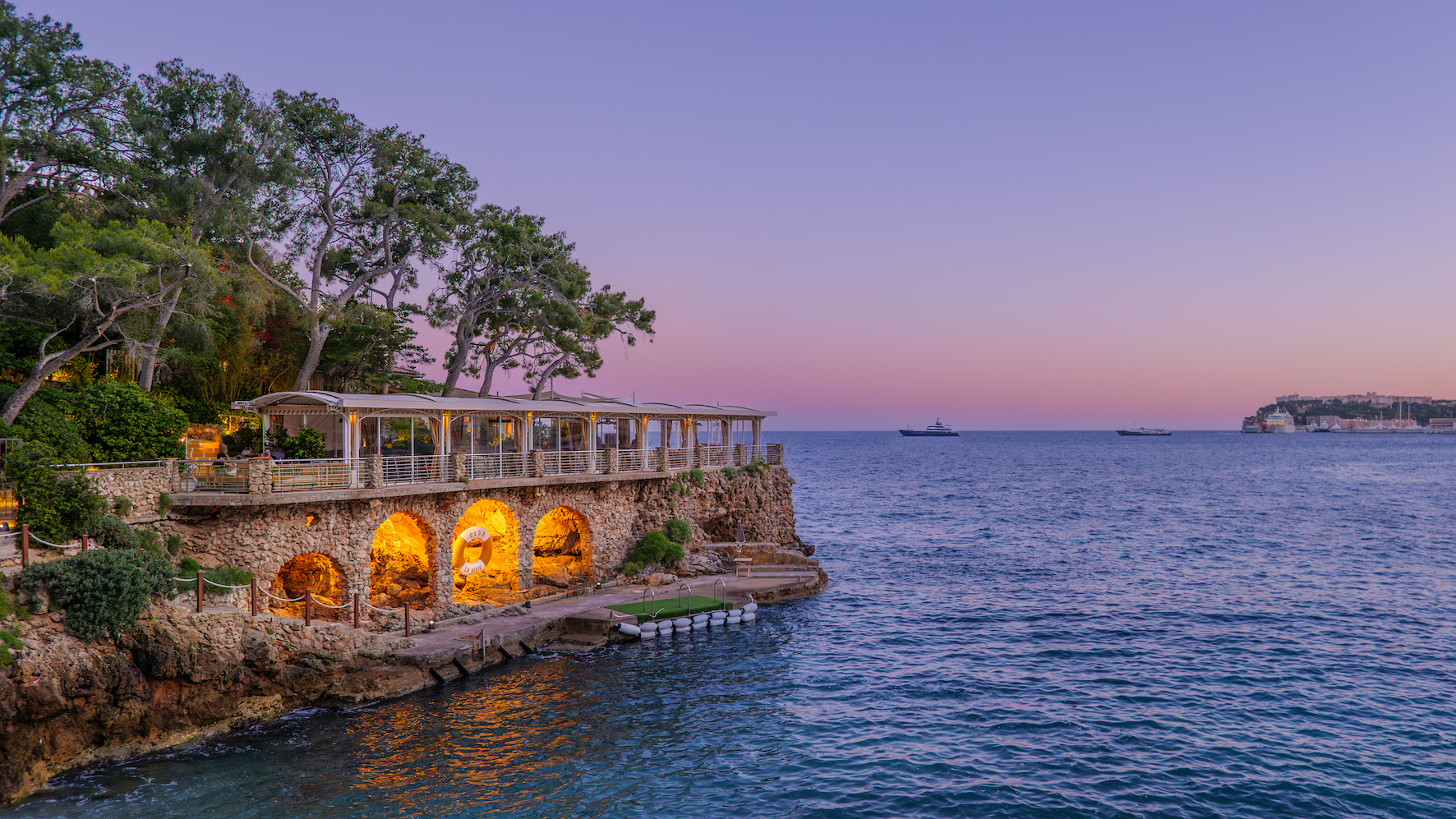
Novelty gastronomy is off the menu at Europe’s most feted eateries, replaced by the pursuit of culinary perfection.
Leading chefs’ methods of engaging diners vary wildly. At any given moment, nostalgia or avant-gardism, complexity or simplicity, theatrical or understated cooking can all seem to be hogging the zeitgeist, depending who you ask. The restaurants that have captivated us in this issue, though, point in a different direction. Rather than reinventing the fundamentals of the culinary arts, they are perfecting them.
In many cases, the establishments profiled on the following pages harbour a dogged sense of place. In Paris, Le Grand Café celebrates the enduring grandeur of the French brasserie beneath the soaring glass roof of the Grand Palais, pairing Belle Époque splendour with a menu rooted in classical cuisine. In Milan, Langosteria Montenapoleone brings together seafood, fashion and design in a manner that feels distinctly Lombardian. Elsewhere, gastronomic cross-pollination calls the shots. Martino’s channels the warmth and conviviality of an Italian-American trattoria in London’s Sloane Square. Barcelona’s Loro marries Catalan and Levantine influences in a waterfront setting that could scarcely belong anywhere else.


What they all share is a realisation that great restaurants need not upend convention in pursuit of novelty, and should instead focus on refining time-honoured ideas. The 30-plus dining establishments within Monte-Carlo Société des Bains de Mer are nailing this philosophy with a deftness and passion we can only marvel at: hence its status as our all-out winner.
Best Fine-Dining Destination: Monte-Carlo Société Des Bains De Mer Monaco
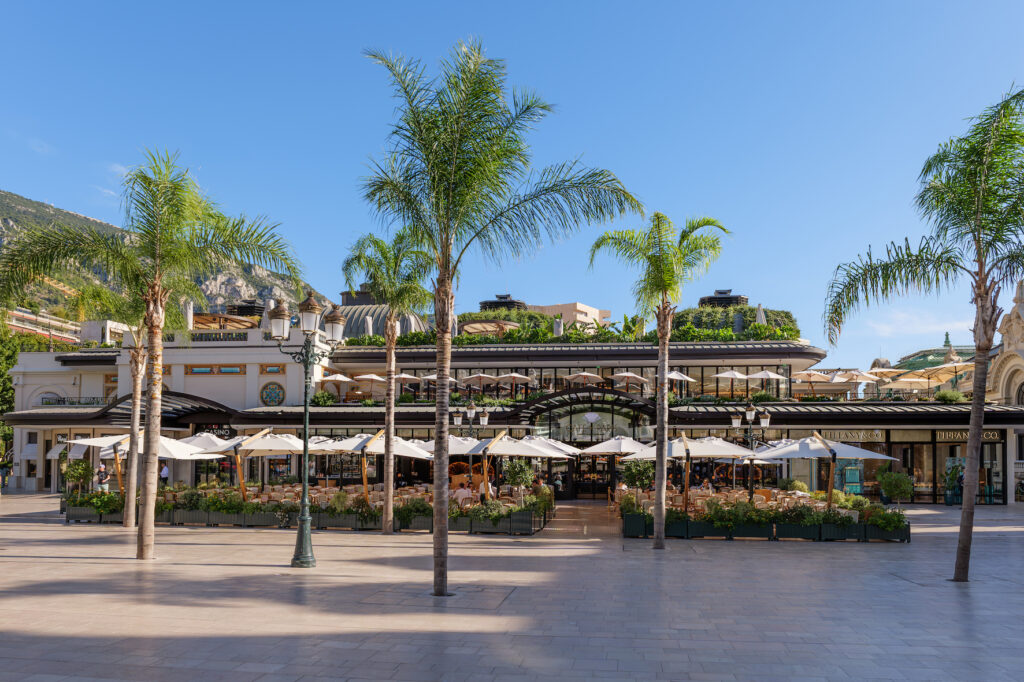
It’s almost four decades since Alain Ducasse clinched three Michelin Stars in 33 months, helming the kitchen at Le Louis XV in the Hôtel de Paris. And ever since, the Principality of Monaco has been a tightly packed constellation of stars awarded by the world’s most deferred-to culinary guidebook. The group that grew from the Monte-Carlo casino—Monte-Carlo Société des Bains de Mer—remains the beating heart of Monaco’s dining scene. Discerning diners can opt for triple-starred French cuisine at Ducasse’s aforementioned landmark eatery, Japanese-inspired fine dining by Yannick Alléno at L’Abysse Monte-Carlo, or Caribbean-inflected modernity by Marcel Ravin at Blue Bay or Elsa.
Other restaurants and bars in its portfolio that deserve to be on any gastronome’s bucket list include Le Grill (elite barbecue cooking), La Vigie (fresh seafood in a pine-fringed seaside setting), Le Deck (elegant Mediterranean brasserie fare), Maona (Greek sharing plates), Buddha- Bar (pan-Asian flavours) and Café de Paris Monte-Carlo (pictured above, offering classic French brasserie cooking). In addition, SBM also offers a modern, vibrant collection of lifestyle dining concepts, including internationally renowned brands such as Amazónico (a blend of tropical and Latin American offerings) and COYA (vibrant Peruvian cuisine blending Japanese, Chinese and Spanish influences).
Also being home to the world’s largest hotel wine cellar, housing more than 350,000 bottles beneath the Hôtel de Paris Monte-Carlo, the Monte-Carlo Société des Bains de Mer’s very existence pretty much guarantees that Monaco’s status as the world’s culinary centre of gravity is here to stay.
Best Seafood: Langosteria Montenapoleone Milan
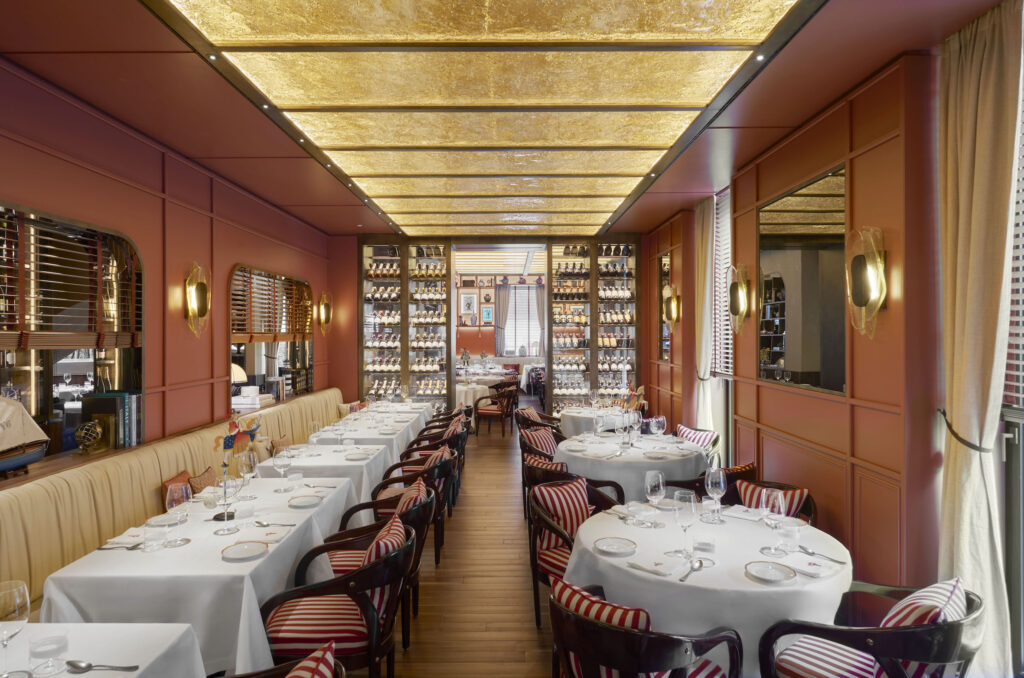
Fashion, design and gastronomy are in a perpetual battle for attention in Lombardy’s regional capital: Langosteria Montenapoleone unites all three under one roof with a large dash of sprezzatura. Occupying the top three floors of a 1930s edifice within the Quadrilatero della Moda district, and designed by Fendi’s Architecture Department, the restaurant marks a new chapter for Enrico Buonocore’s seafood-focused dining group, which has evolved from a single restaurant on Via Savona into one of Italy’s most lauded hospitality brands.
Pappa al pomodoro with clams, and paccheri with sea bass, capers, olives and Amalfi lemon are among Robb Report’s favourites on the current dinner menu, but local seafood’s seasonal whims dictate the direction. Whatever dish you opt for will offer as much theatre from the open kitchen as it does seduction of the tastebuds. Failure to visit Ally’s Bar on the floor above—whether for pre-prandial warmers, post-meal three-for-the-roaders or both—should be considered an opportunity squandered.
Best Fusion: Lora Barcelona
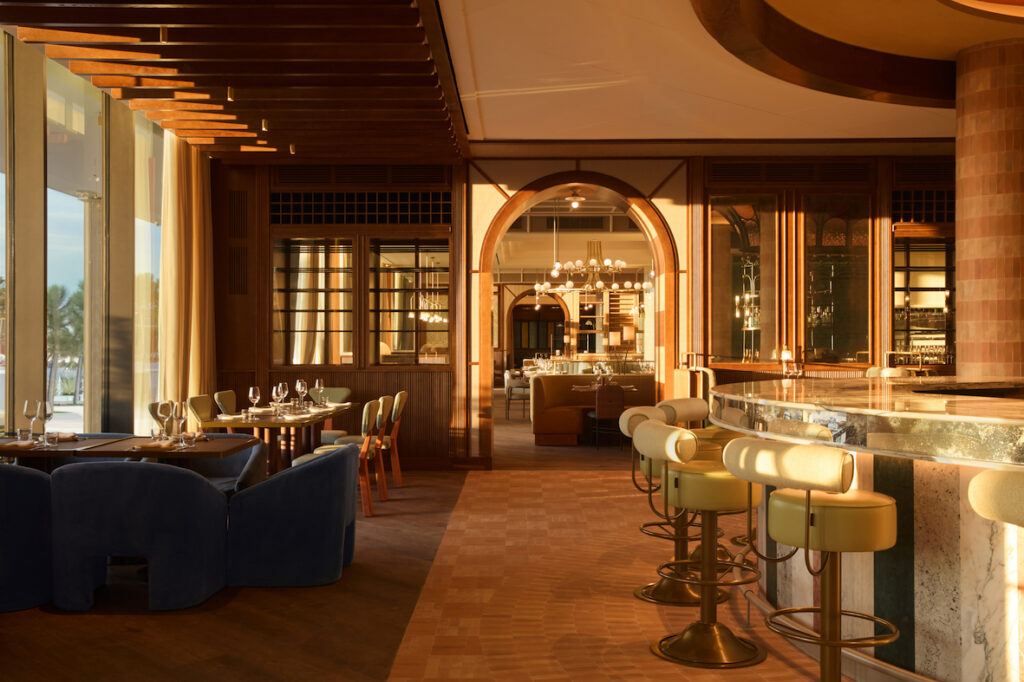
Located within SLS Barcelona—a five-star waterfront hotel on Port Fòrum—and created in partnership with London’s acclaimed Studio Paskin, Loro draws inspiration from the coastal cultures that stretch from Catalonia to the Levant, using spice blends and seasonal ingredients that the two regions share. The vast dining room, designed by AvroKO in collaboration with Carte Blanched, also deftly juggles European influences and those of the Middle-East, its central, courtyard-like layout, mosaic tiling, stained glass and sweeping arches combing elegantly to create a space whose focal point is an open kitchen (although if dining on the terrace, the marina and the Mediterranean will dominate your field of vision).
At the heart of the operation sit a wood-fired oven and coal grill, turning out dishes designed for sharing: tuna tartare with crispy capers and urfa alioli, and grilled sea bass with herb salad and chermoula yogurt, neatly exemplifying the kitchen’s bicultural approach. Equally compelling are the supporting acts, from pillowy kubaneh bread and hummus tatbila to the signature chilli cauliflower.
Best Weekend Wind-Down: Martino’s London
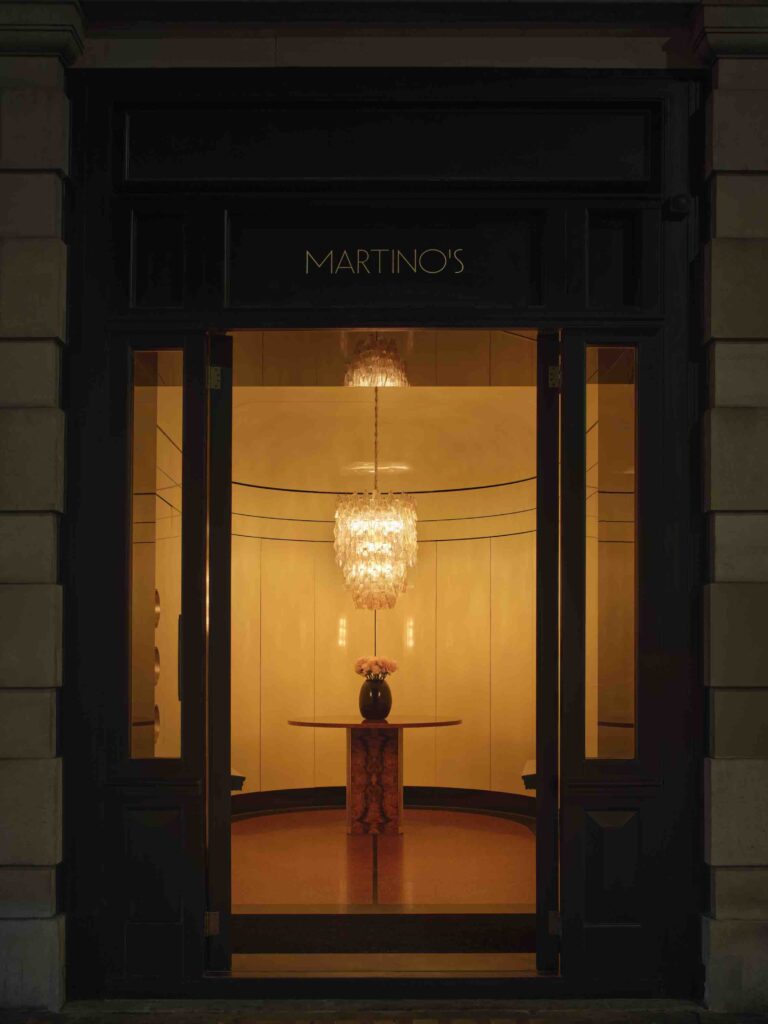
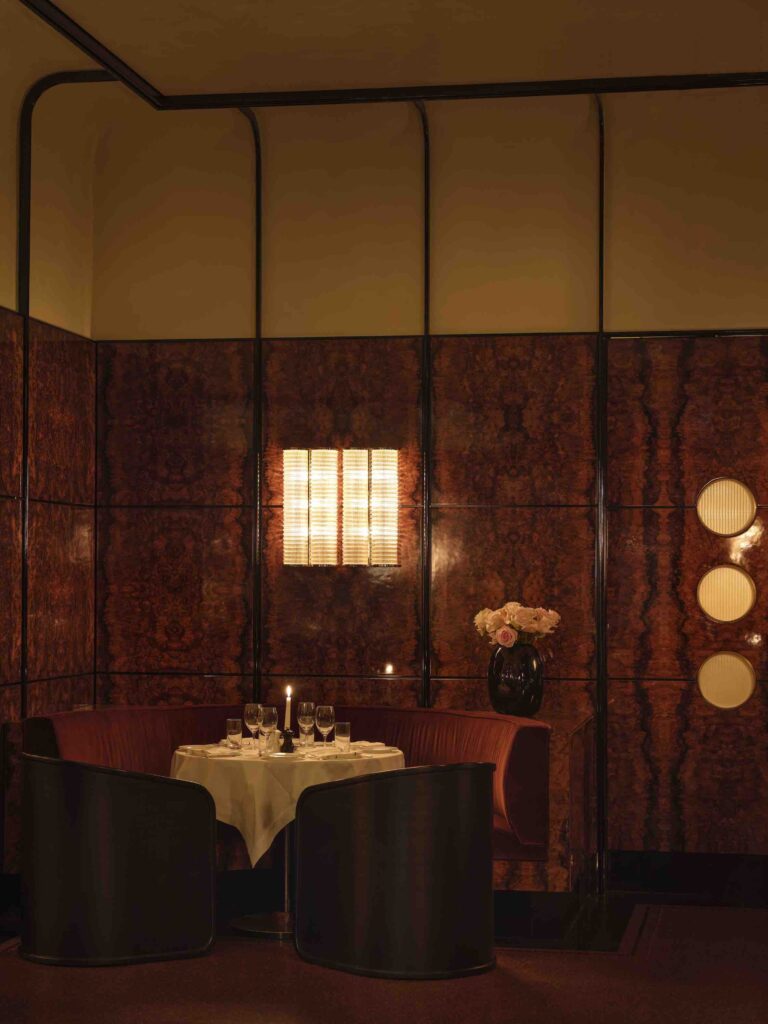
The sister restaurant of The Dover, the lauded Mayfair dining room opened by Martin Kuczmarski following his 15-year tenure as chief operating officer of Soho House, Martino’s offers a similar culinary heritage—Italian cuisine, as redefined by émigrés to the New World when they found themselves in a land of plentiful ingredients—but here on a prominent position on Sloane Square. Inside, a softly lit trattoria feel, with subtle nods to the 1950s and 1960s—awash with polished wood panelling, burgundy terrazzo floors and Murano-glass lighting—creates a backdrop for diners perched around a buzzy central bar.
Executive chef Valentino Pepe’s menu favours confident, crowd-pleasing cooking over needless reinvention: think starters such as zucchini fritti—a delectable take on Japanese tempura—and world-beating interpretations of ubiquitously popular mains including a richly layered lasagna verde alla bolognese and hearty meatballs in ragù with toasted bread. The cocktail programme, replete with Italian aperitivi and expertly mixed martinis, ensures the bar is dancing in unison with the dining room when it comes to la dolce vita being in full force from arrival to exit.
Best Grand Brasserie: Le Grand Café Paris
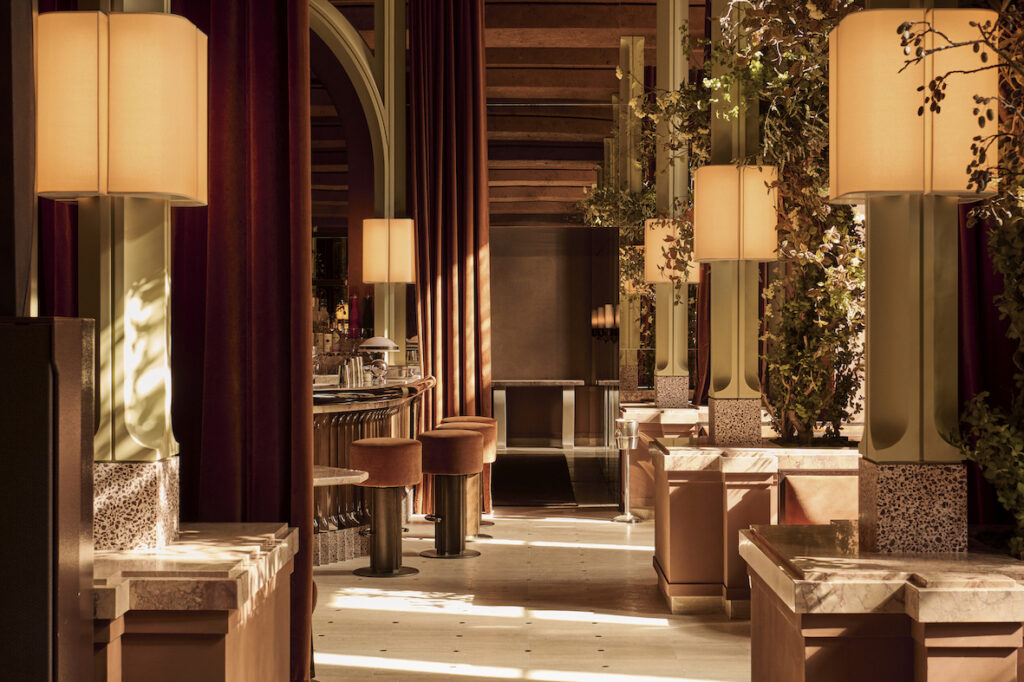
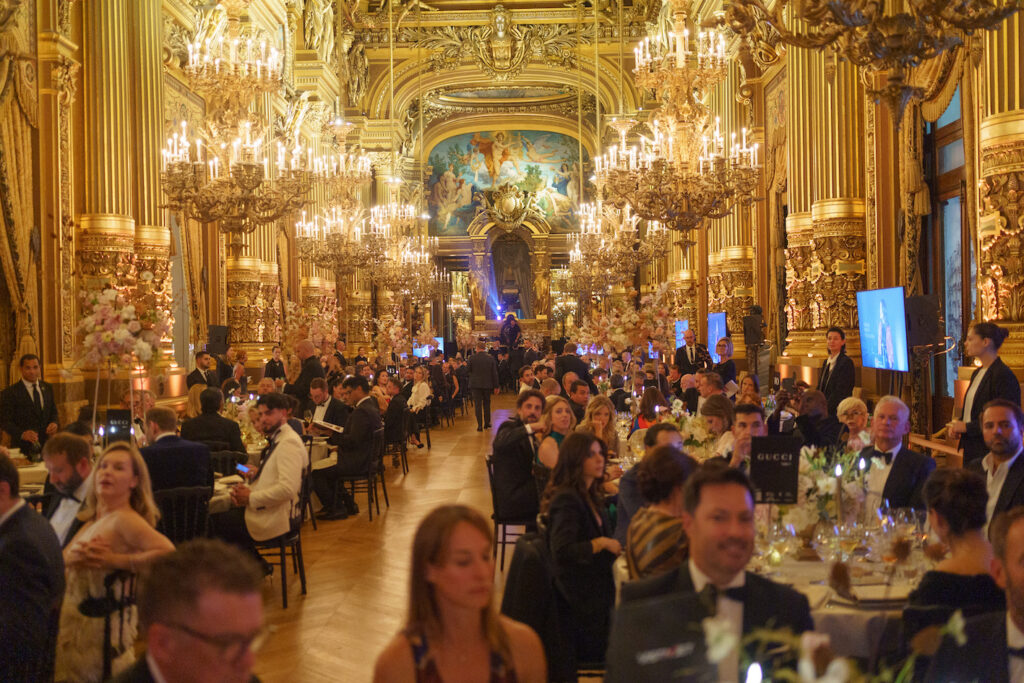
Located within the Grand Palais and owned by the renowned Loulou Group, with a Belle Époque interior designed by Joseph Dirand, Le Grand Café Paris was the most eagerly awaited opening of the last year among serious gourmands based in Europe. Classical French cuisine with a Mediterranean tinge, at this freshly renovated, 310-cover dining room boasting one of Paris’s most stunning terraces, is reinterpreted for modern diners by executive chef Benoît Dargère (think foie gras de canard, quenelles de turbot, and filet de boeuf au poivre).
Dargère’s wonderfully crafted fare sings in perfect harmony with craft cocktails masterminded by legendary bartender Colin Field, a 30-year veteran of the Hemingway Bar at the Hotel Ritz Paris. Regular patrons are known to make a beeline for his signature Colin’s Old Fashioned concoction, before and after dinner. It contributes to a dining experience which—thanks, too, to an ambience so infused with Paris’s idiosyncratic energy—makes this a jewel in the French capital’s already glittering culinary crown.