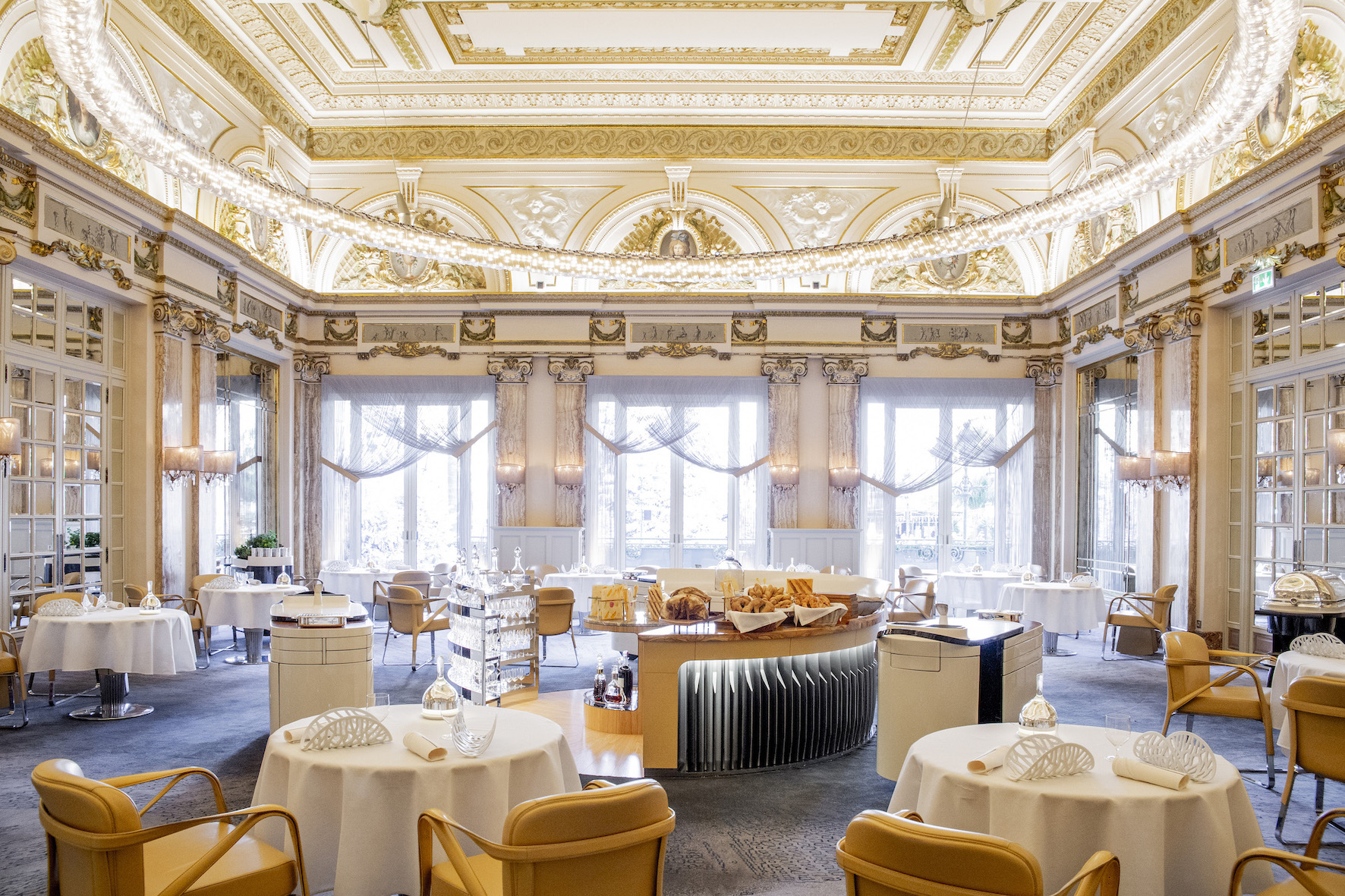
Two of the world’s most celebrated chefs will come together at Le Louis XV-Alain Ducasse for a special culinary collaboration on 23 September.
Two of the world’s most celebrated chefs are coming together in Monaco. On 23 September, Alain Ducasse will welcome Swedish chef Björn Frantzén to Le Louis XV-Alain Ducasse at the Hôtel de Paris Monte-Carlo for an exclusive lunch and dinner as part of the 2026 Monte-Carlo Star Festival.
Bringing together Ducasse’s Mediterranean expertise and Frantzén’s Scandinavian influences, the collaboration promises a meeting of distinct culinary philosophies. Ahead of the occasion, the chefs speak exclusively to Robb Report Monaco & Côte d’Azur about their shared approach to gastronomy and what happens when two culinary worlds meet.

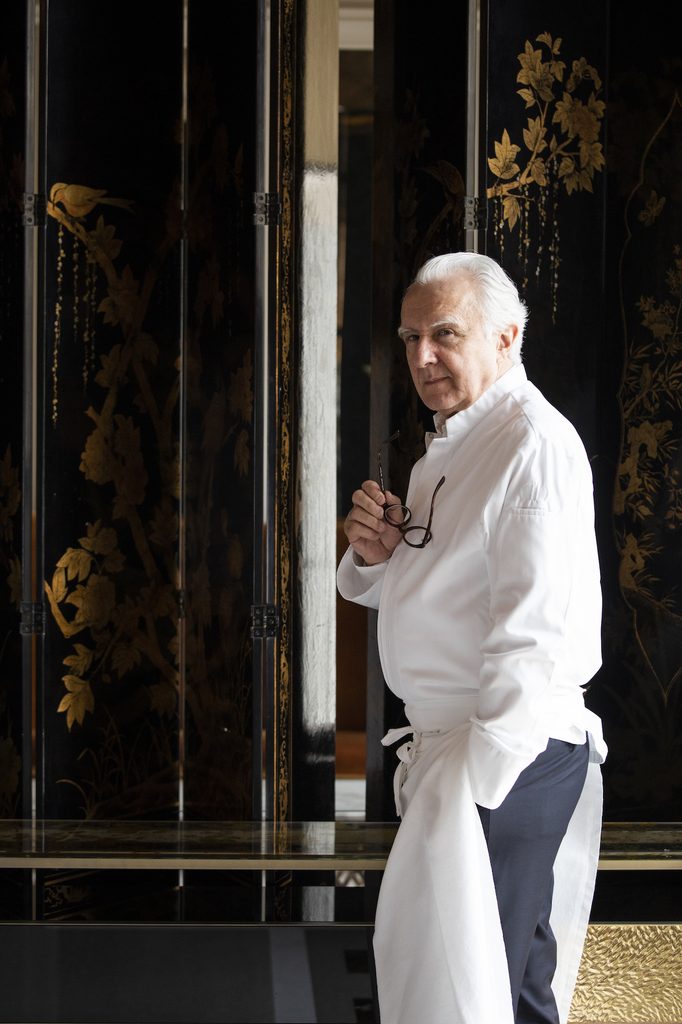
Alain: Le Louis XV-Alain Ducasse has been part of Monaco’s culinary landscape for almost 40 years. What does it mean to welcome Björn into this particular kitchen, and why did you want to cook together here?
It’s true that we rarely invite chefs to come to our cuisine. To welcome Björn has a strong resonance. It means to propose to our clients a dialogue between two cuisines which, at the first glance, may seem very different but have, in fact many things in common.
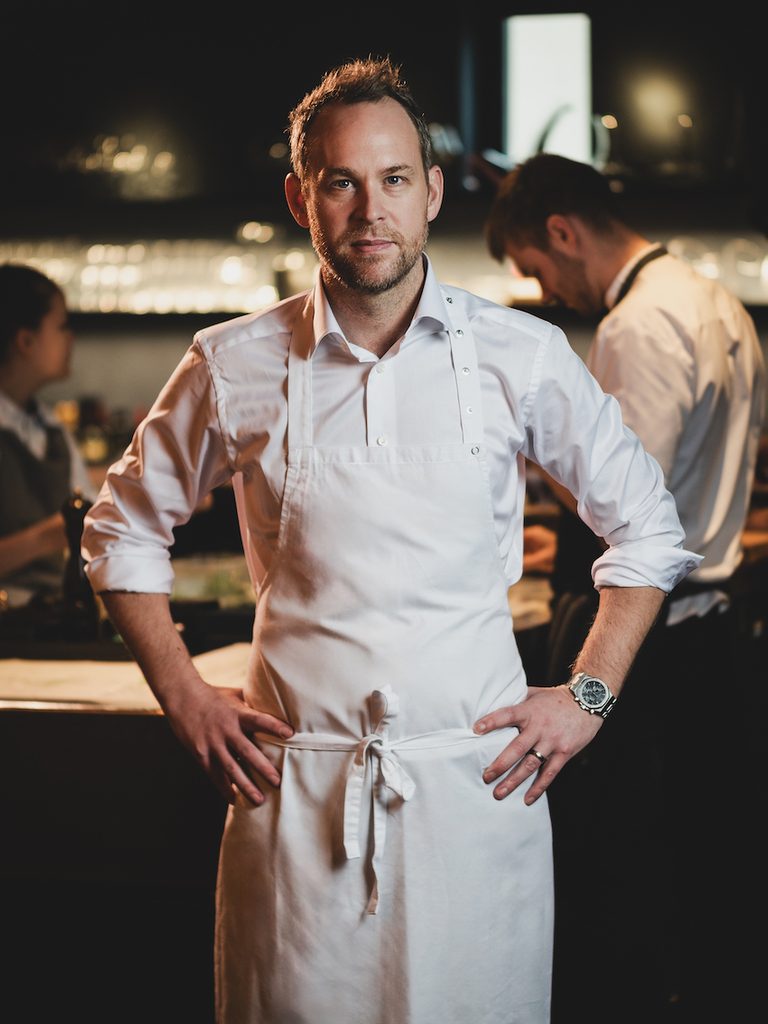
Björn: your cooking has been shaped by Scandinavia. What interested you about bringing your cuisine to Monaco and working with Alain Ducasse? Secondly, how have Monaco and the produce of this region influenced what you are creating for the dinner?
I was asked a couple of years ago who I would most like to cook with, and my answer was Alain Ducasse. What I admire is his curiosity. With everything he has achieved, he is still interested in discovering other chefs and other ways of thinking. To be invited into his kitchen at Le Louis XV-Alain Ducasse is very special. Scandinavia is my foundation, but French cooking is also a big part of my background, alongside Japanese influences. So there is already a connection, even if our food looks quite different. Coming to Monaco makes the relationship between the food and its surroundings particularly interesting. My approach is to stay true to my cooking while being open to the ingredients and knowledge of the team here. Alain’s understanding of the Mediterranean is extraordinary. That exchange is a big part of what makes this dinner exciting for me.
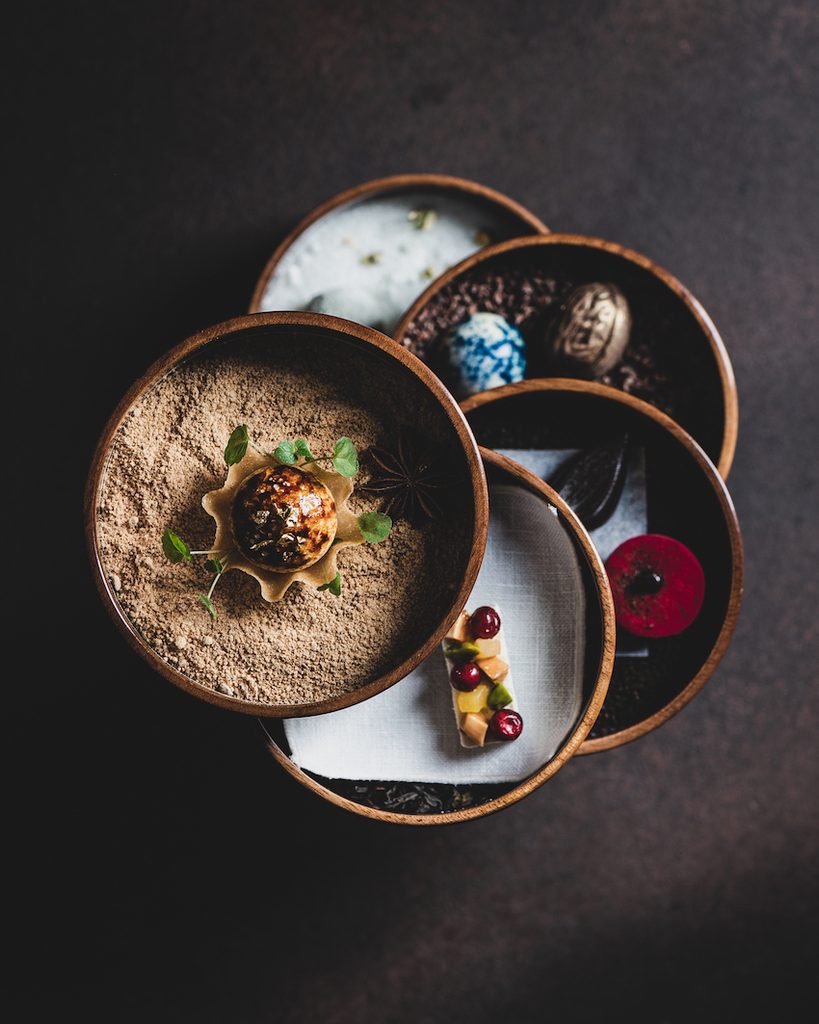
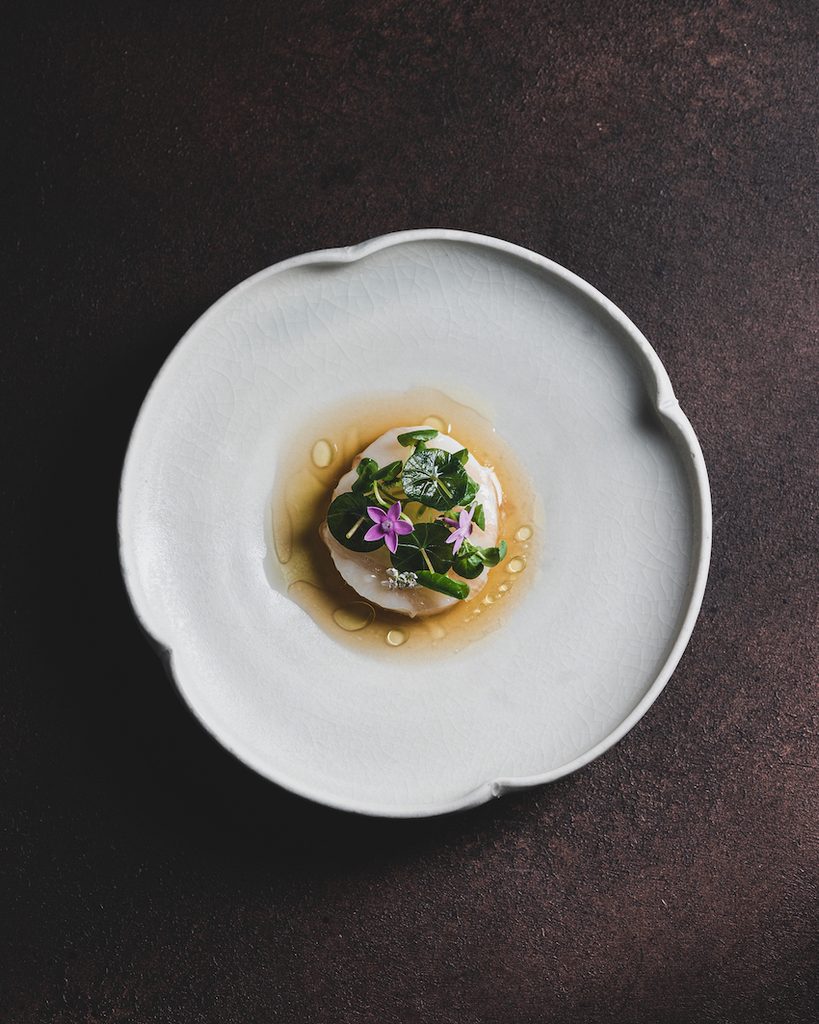
You have very different culinary backgrounds and influences. Where did you find the strongest points of connection when creating this menu together?
Alain Ducasse: The connection goes much farther than the plain culinary territory. It’s a question of vision. We both believe it must be an honest expression of our philosophy. This is why we have this mutual respect and really enjoy working together.
Björn Frantzén: I think we connect through our standards and our respect for the ingredient. There can be a huge amount of work behind a dish, but when you eat it, the flavour should be clear and the pleasure immediate. There is also a shared curiosity. You have to keep asking whether something could be better, even after many years. I find that very inspiring in Alain. We have different experiences to draw on, but we both care deeply about what actually reaches the guest.
When two chefs with such established identities collaborate, how do you create something genuinely new without losing what makes each of your cooking distinctive?
AD: The answer is very straightforward: conversation, not fusion. We don’t look for an average, intermediary between styles. None of us betrays what he profoundly is and likes. The menu is a conversation between two persons, he and I, and the patrons are invited to participate to this dialogue.
BF: As Alain says, it is a conversation. The differences are what make it interesting, and you need to give each other space. For me, the creative opportunity is also in the progression of the dinner. A dish feels different depending on what comes before and after it. You think about intensity, texture, freshness and pace across the whole menu. That is where two individual styles can create an experience that is unique to this evening. You bring your own cooking, but you also have to listen. That is how you learn something from the collaboration.
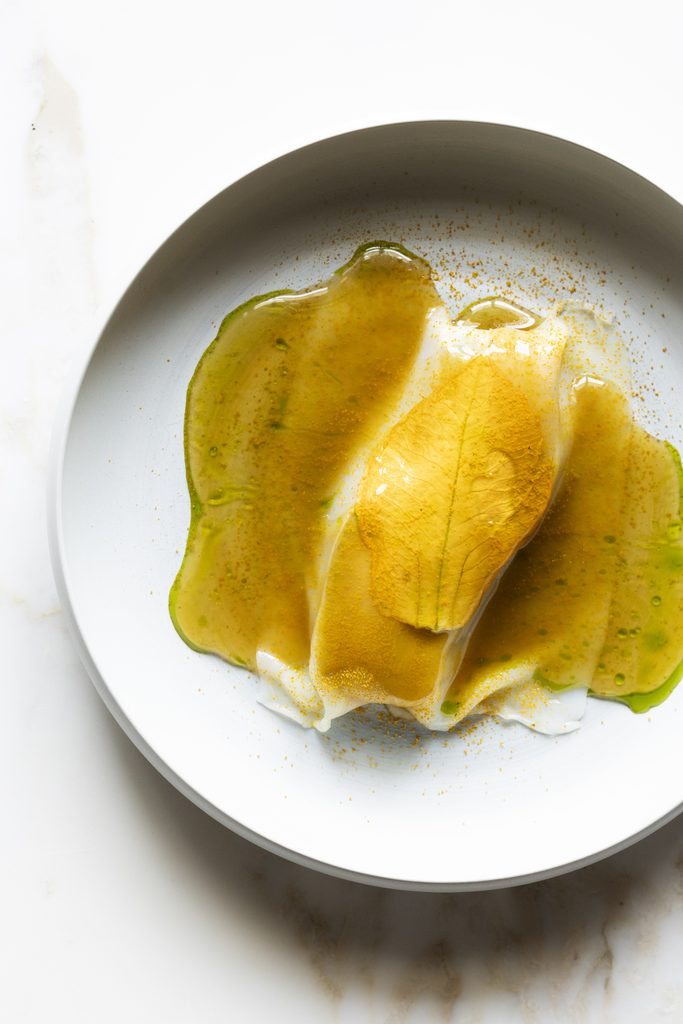
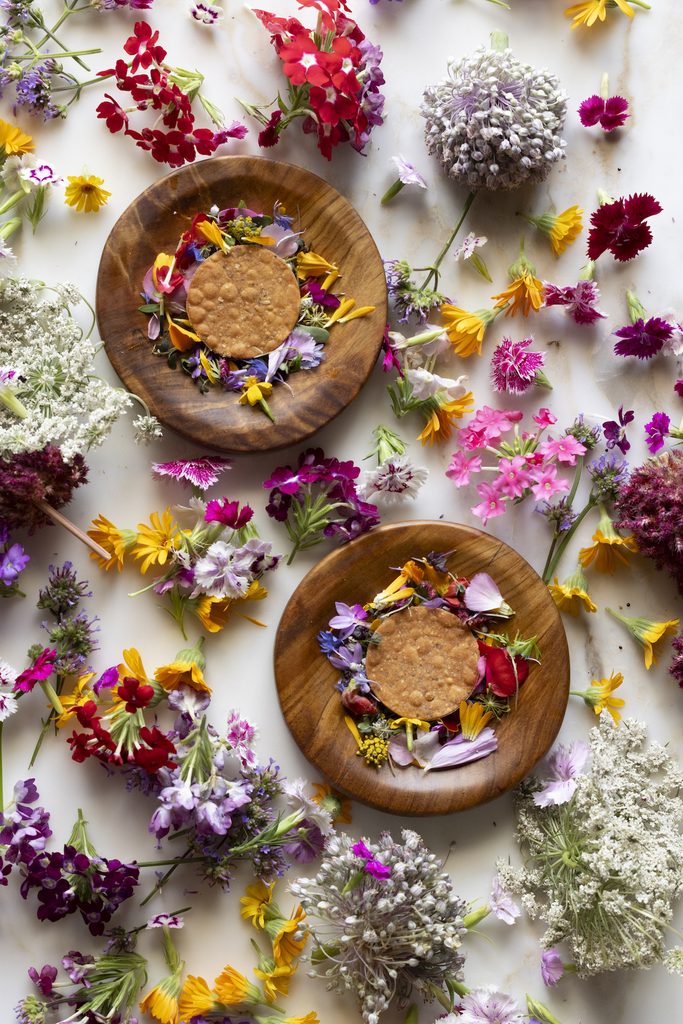
If guests leave Le Louis XV-Alain Ducasse after this collaboration remembering just one dish, flavour or moment, what would each of you hope it would be?
AD: A special moment of commensality.
BF: That moment when someone takes a bite, pauses, and then looks across the table because they want the other person to experience it too. Food had that effect on me when I was young, and it is still what I want to give our guests. There is a lot of history in this dining room, and of course this is a special occasion. I hope people feel comfortable, enjoy themselves and leave remembering how the evening made them feel. That is what stays with you.