As the Solheim Cup in the Netherlands draws near, we discuss time, precision and excellence with Rolex Testimonees Luke Donald and Anna Nordqvist
In golf, a narrative can turn in a split second. A putt of a few feet, struck under fierce pressure and with the world watching, may decide a championship; a single swing can alter the course of a career. Such fleeting moments, though, are the culmination of years of practice and dogged self-improvement.
As a company synonymous with the measurement of time, Rolex’s relationship with golf—which began in 1967 when the Crown signed legendary golfer Arnold Palmer as its first official sports ambassador—is not simply about the pivotal moments, but also the longer-term quest for excellence that makes it so compelling a sport to millions of fans the world over. It’s a relationship whose shared values come into sharp focus, as the Solheim Cup arrives in the Netherlands (11th-13th September), bringing this highly charged team contest to the country for the first time.

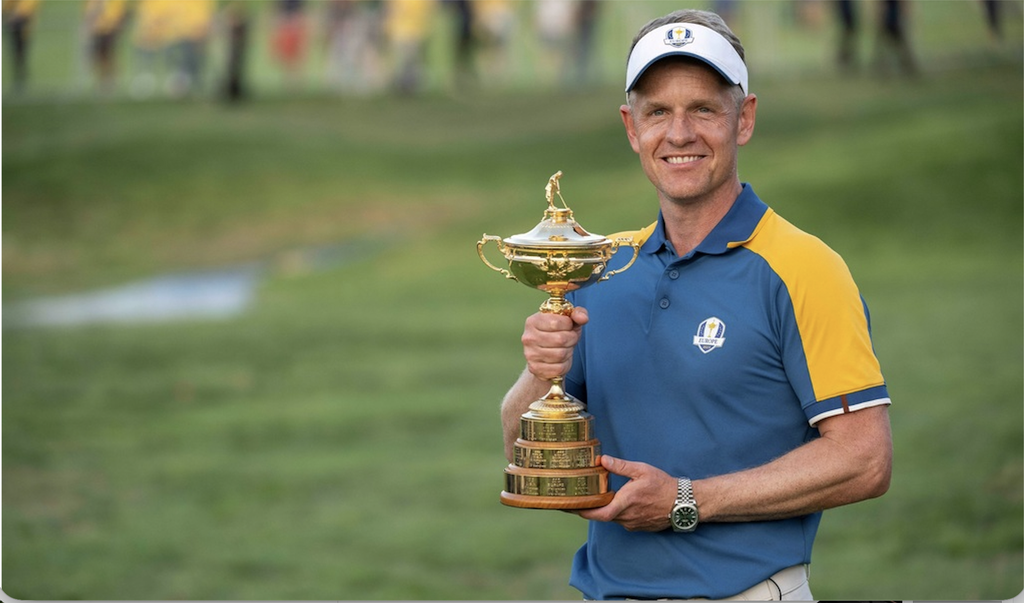
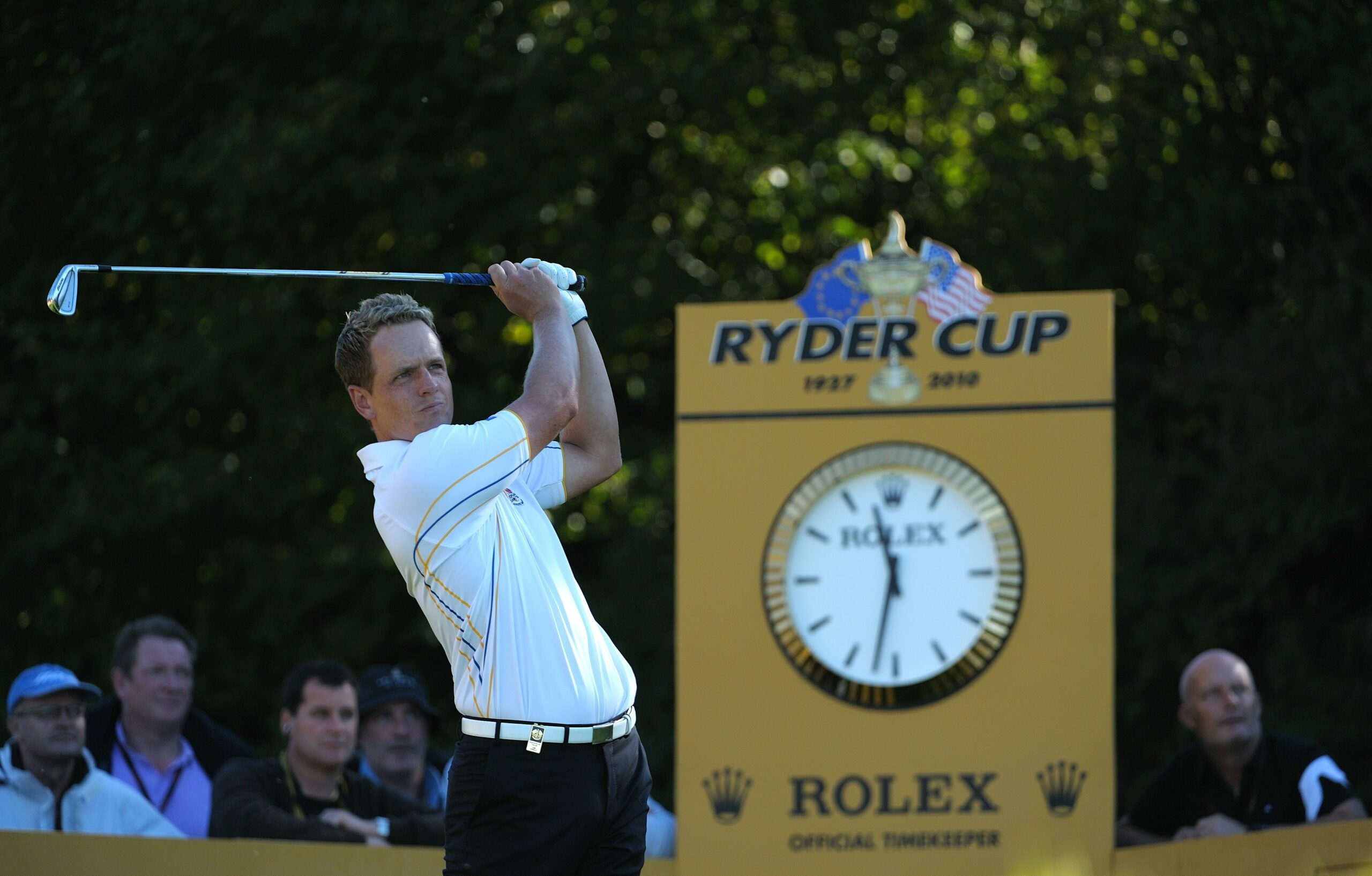
For former World No. 1 and Rolex Testimonee Luke Donald, triumphing in the crucial moments whilst also focusing on the big picture is the path to true excellence. “Everyone wants to win championships,” he says, “but I think professionals at a high level want to be consistent over a long period of time.” Endurance, he says, is itself a mark of greatness. “Longevity comes from a deep passion for what you’re doing, a deep work ethic, and continuing to work hard at every little thing consistently,” he says. “Always feeling like there are ways to improve and get better.” The finest players, Donald believes, are distinguished by more than the trophies accumulated along the way. “Some of the very best players have not just won the big championships, but they’ve been consistent over many, many, many years in the sport.”
It is a philosophy that underpins the enduring nature of Rolex’s relationship within golf and some of its most successful protagonists. “When you have these relationships with Rolex, it’s a long-term thing,” says Donald, who has been part of the Swiss maker’s family for more than two decades. “They build a great brand, a great relationship with the players, the athletes.”
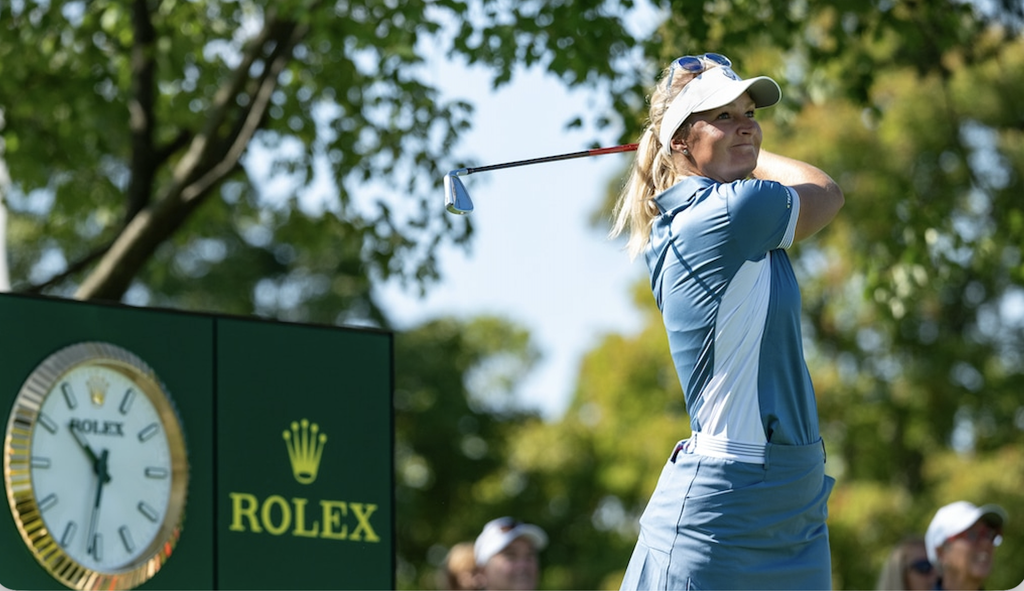
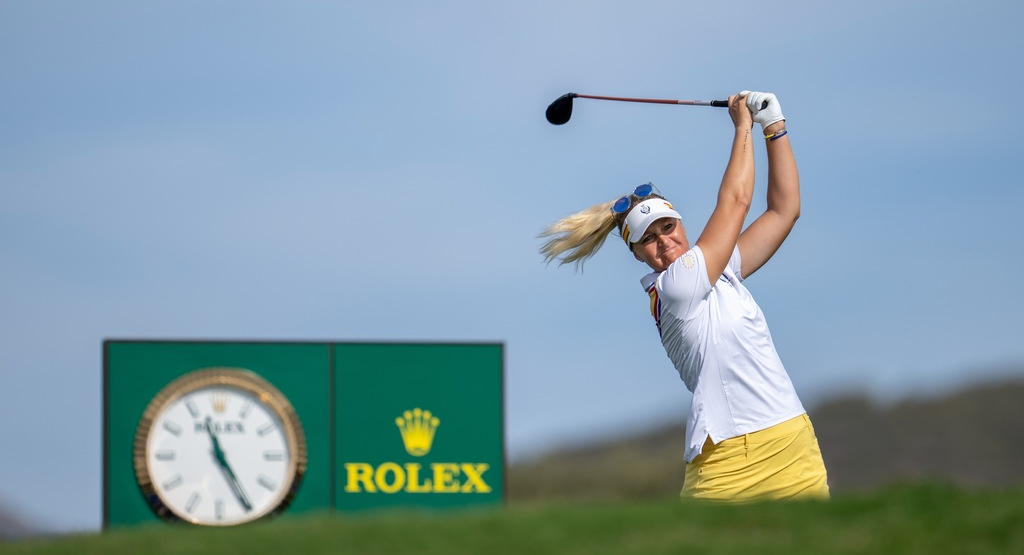
Swedish golfer Anna Nordqvist, pictured above – a Rolex Testimonee since her first year on Tour in 2010 – agrees. “It’s really like you’re part of a family,” she says. “Everything they do is just very inspiring to be part of. Being around their group of people at events, they inspire me to get better. I’ve had many ups and downs in my career but they’ve always been there for me every step of the way. We can also see how things have evolved because of their support in golf and also other sports.”
Nordqvist will lead Team Europe as captain at the forthcoming Solheim Cup, having previously played in the competition nine times: a role in which she will attempt to use her experience to shore up a positive team dynamic. “I’ll be captaining a good eight or nine of the girls that I’ve been on the same team with, and just being out there on tour, playing with and knowing them, knowing the caddies, means I will hopefully be able to create a trust,” she says. “It’s about trying to create an environment for us to succeed as a team, and I’m just trying to be myself—I think that’s where the trust comes in.”
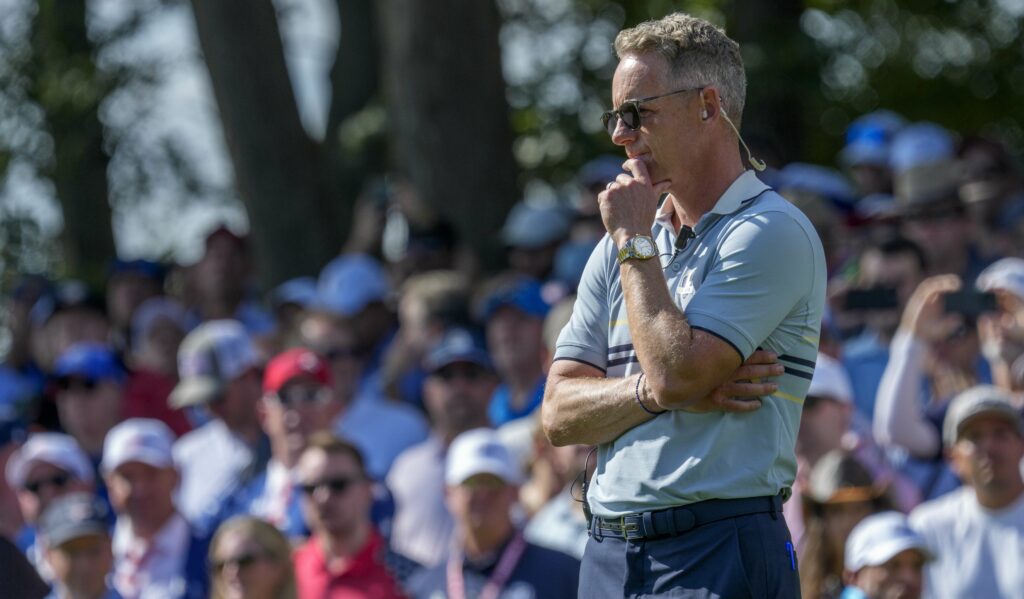
Adds Donald, “We play a sport that’s individual 99 per cent of the time. And then we have these big team events like the Solheim Cup, The Ryder Cup, and we have to kind of figure out how to get these big personalities, these big egos into a room and playing for more than themselves.” Indeed, it’s impossible to overstate how crucial Rolex’s role is—as one of the sport’s cultural architects—in helping individual excellence, forged through countless solitary hours of practice, find collective expression.
Which is why the brand’s association with performance, precision, tradition and continual improvement extends across other sporting areas. From sailing, where competitors must combine technical mastery with judgement and teamwork against the unpredictability of the elements, to tennis and Wimbledon, where decades of tradition meet the unforgiving demands of elite competition, Rolex’s sporting associations span disciplines in which achievement is built as much through preparation as performance.
Beyond sport, that long-term view also informs Rolex’s activities in cultural milieux. In film, cuisine and the arts, as in golf, genuine mastery is developed through experience, discipline and an appetite for improvement. As such, Rolex’s support for these worlds, including its mentoring initiatives, reflects the importance of knowledge and experience being passed from one generation to the next.
Legacy is key: hence Donald and Nordqvist’s personal approaches to their captaincies: “I just want to leave The Ryder Cup in a better spot than when I found it,” says the former, while the latter also sees her role as an opportunity to reciprocate years of support that has made her the player she is. “Being a captain is obviously a lifelong dream,” she says, “and the ultimate way to give back to the Solheim Cup and everything everyone has done for you in this journey.”
As the world’s finest players gather in the Netherlands, the next chapter of that journey will be played out in the compressed drama of matchplay. There will be moments that last seconds and memories that last far longer. But behind every decisive shot lies the work of years. And this, surely, is the enduring connection between Rolex and golf: an understanding that human achievements can be measured in the time it takes to attain excellence—and the legacy left behind for those who follow.