From Burgundy to South Africa, white varieties are staging a quiet coup.
For most of modern wine history, the hierarchy has been painted red. First Growths on the Left Bank, grand cru pinot from the Côte de Nuits, barolo and barbaresco, northern Rhône syrah, Napa cabernet: if you were building a ‘serious’ cellar, white wine was often an afterthought. That picture no longer reflects how the world actually drinks. According to the International Organisation of Vine and Wine, global white-wine consumption has risen by about 10 percent since 2000, while red has fallen by 15 percent from its 2007 peak. White and rosé together now account for more than half of all wine consumed worldwide; white alone is estimated at around 43 percent of total volume. Sparkling has been a big driver, but the underlying shift is clear: drinkers are choosing wines that feel fresher, lighter on their feet and easier to pair with the way we eat now.
The fine-wine world is slower to budge, but it is moving. White Burgundy has quietly outperformed much of red Burgundy on recent price indices, with trade in top Côte de Beaune whites hitting record highs just as some red‑wine benchmarks started to correct. Germany and Austria are no longer niche for dry riesling and grüner veltliner; they are core categories on serious wine lists. High‑altitude and coastal whites—from the Mosel and Wachau to the Swartland, Etna and Galicia —are now talked about in the same breath as the classic reds they once sat behind.

Ask sommeliers what has changed and a common thread emerges: guests are leaning into energy, texture and minerality rather than sheer power. Recent trade trend reports explicitly flagged “white wine taking centre stage” as one of the key shifts on restaurant floors, driven by everything from climate‑conscious cuisine to a generational move away from heavy, oak‑laden styles. In other words, what started as a broad consumer drift is now reshaping the top end as well. Fine‑wine hierarchies are conservative, and the historic dominance of red—Bordeaux, Burgundy, Piedmont, the Rhône—is not going away. But look at the best cellars and the smartest restaurant lists in 2026 and one thing is clear: white wine is no longer the supporting act. It is sharing the stage.
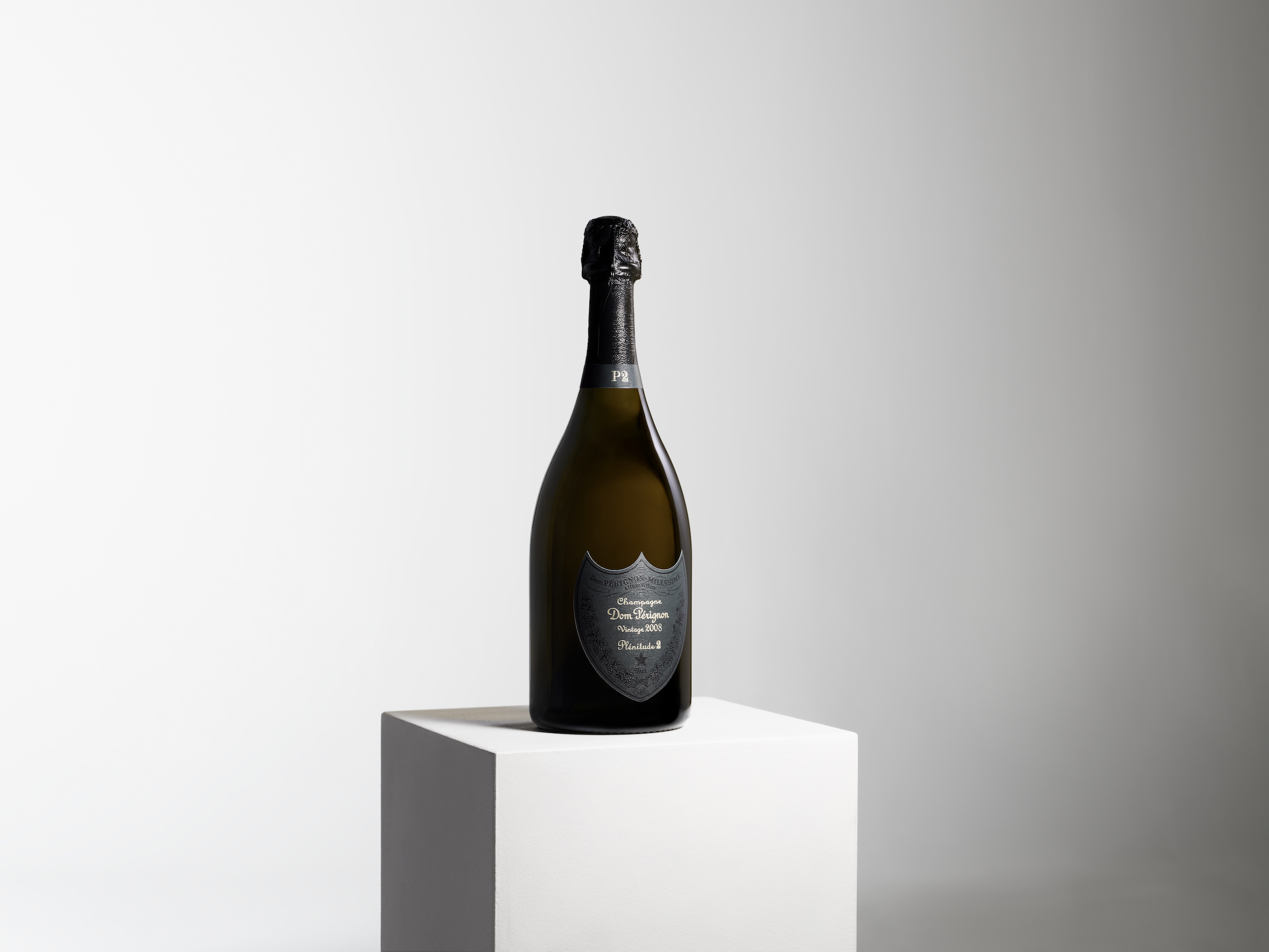
Champagne: Dom Pérignon P2 2008; Champagne, France
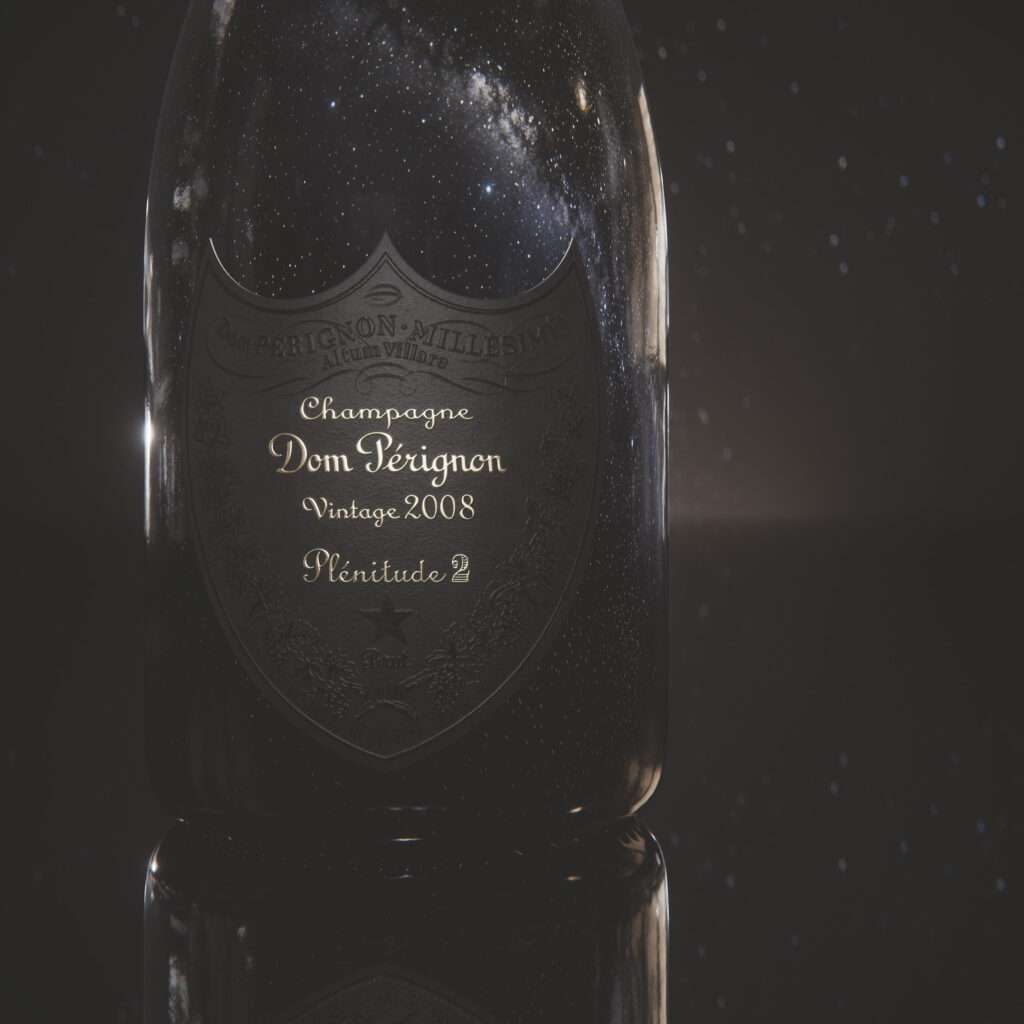
The original 2008 Dom Pérignon was released late and hailed as a new classic; P2 is the wine’s second life, elevated after close to 15 years on its lees to what the house calls a new second ‘Plénitude’. It made its worldwide debut at the 2025 Golden Vines® Awards Gala in Miami, poured for guests at the Faena Forum in November 2025—a suitably theatrical launch for such a high‑definition expression of the vintage. The blend is 50 percent chardonnay and 50 percent pinot noir, dosed at 5 g/l (extra brut).
The bouquet is immediately high‑definition: white flowers and citrus zest wrapped around ripe stone fruit, with flickers of orange oil, pear and lightly toasted hazelnut, then anise, mint and a gentle, smoky note as it stretches out in the glass.
On the palate, the 2008 spine is still unmistakable—tense and finely etched—but now it feels broader and more layered, the acidity braided with a faint, appetising bitterness and a touch of umami. Candied lemon, bergamot and white peach are joined by darker inflections of cassis, cocoa and roasted coffee. A cool, chalky line runs through the centre, driving a long, saline, glacially fresh finish. It is both taut and generous, as architectural as it is hedonistic, and built to cruise deep into the 2040s. Around €520–€640 per bottle
Prestige Rosé: Taittinger Comtes De Champagne Grands Crus 2013; Champagne, France
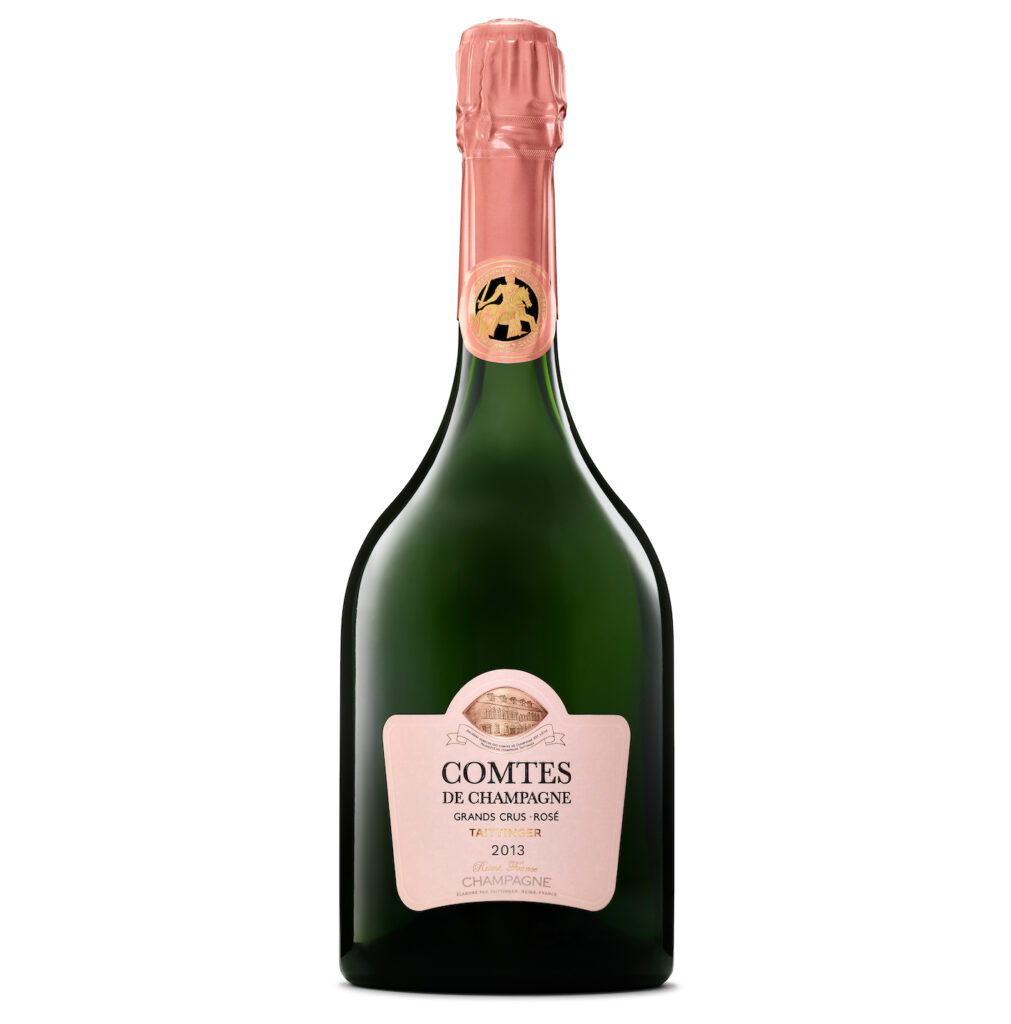
Comtes Rosé is Taittinger’s most sensual blend, here 60 percent pinot noir and 40 percent chardonnay from grand cru villages, including 13 percent still pinot noir, aged for 12 years in chalk cellars. From a very late, cool year redeemed by a glorious summer and long September harvest, the 2013 presents a beautiful, blushed, salmon‑pink colour and fine, lively effervescence. The nose is delicate yet expressive—rose petals, wild strawberry, raspberry, cherry and pomegranate, with spicy undertones of blond tobacco and fresh leather—while the palate is fresh and vibrant, lifted by lively acidity and flavours of mandarin, pink grapefruit and blood orange, all carried on a silky mousse into a long, elegant finish. A superbly gastronomic rosé Champagne. Around €300–€370 per bottle
Nebbiolo: Gaja Sorì Tildìn 2016; Piedmont, Italy
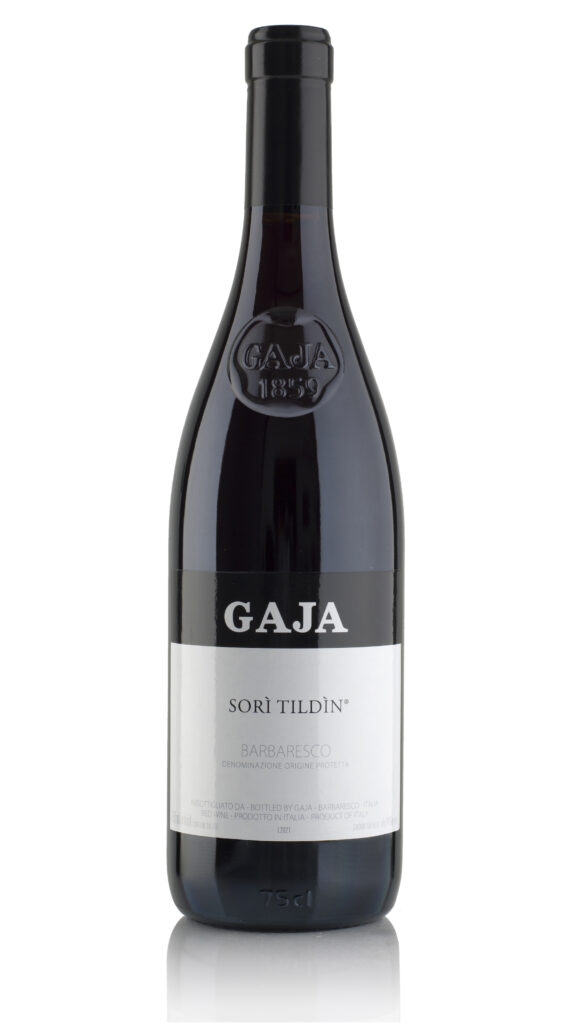
Sorì Tildìn is a single, south-facing amphitheatre just above Costa Russi in Barbaresco; the 3.38-hectare nebbiolo vineyard sits at around 260 m on clay-calcareous marls and its vines average about 45 years of age. From one of the standout Langhe vintages of the century, the wine has a relatively light, almost Burgundian colour and an inviting red-fruit perfume that runs from cherry pastille and wild strawberry through to rose petal, blood orange and a hint of tar and spice. On the palate, it is broad and silky rather than extracted, with sweet, fresh red fruit, a fine, mouth-watering line of acidity and aromatic tannins. The finish is long and slightly sweet-toned, bringing back red fruit, rose and wild herbs with a gentle cedar note in the background. This is a very complete Sorì Tildìn with a long life ahead—expect it to evolve beautifully over the next 20 to 30 years. Around €700–€930 per bottle
Syrah: Paul Jaboulet Aîné Hermitage La Chapelle 2010; Rhône Valley, France
Perched beneath the famous chapel on the Hermitage hill, La Chapelle is one of the Rhône’s classic names, and 2010 is widely regarded as a modern benchmark. Deep and brooding on the nose, it offers blackberries, cassis and blueberry layered with smoked meat, black olive, cracked pepper, violets and a dark, rocky minerality. The palate is full-bodied and powerful yet impeccably structured, with dense, ripe fruit framed by firm but refined tannins and vibrant acidity giving a sense of coiled energy. The long, savoury finish brings back waves of dark fruit, tapenade, smoked herbs and spice. This is a reference-point La Chapelle from one of the great Rhône vintages of the century, and a bottle that will reward patient cellaring for decades to come. Around €410–€580 per bottle
Chenin Blanc: Mullineux Granite Eikelaan 2024; Swartland, South Africa
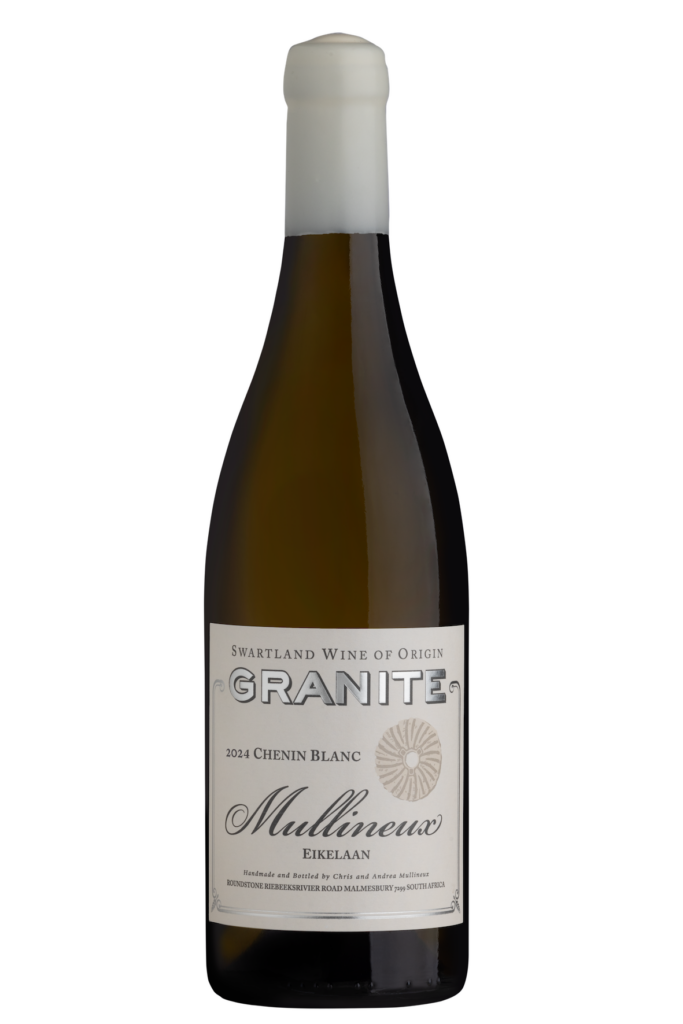
From Golden Vines® World’s Best Rising Star 2025 winners Mullineux, this single-terroir chenin comes off dry-farmed bush vines on the higher, granite-rich slopes of the Paardeberg at Eikelaan. Hand-harvested in the cool early hours and whole-bunch pressed directly to barrel, the juice is handled oxidatively and left to ferment and go through malolactic naturally, before 10 months’ maturation on lees in 225-litre French oak with only minimal sulfur dioxide—and no filtration. The 2024 is very mineral and lifted, with bright aromas of citrus blossom and lemon zest, dried wild herbs, gentle ginger-tea notes and a hint of white pepper. The mid-palate is beautifully pithy and stone-driven, with electric acidity and a fine, powdery grip; the finish is long and saline. Still very young, it already gives a lot of pleasure, but promises a slow, focused evolution in bottle. Around €75–€95 per bottle
Dessert Wine: Szepsy Szent Tamás 6 Puttonyos 2017; Tokaj, Hungary
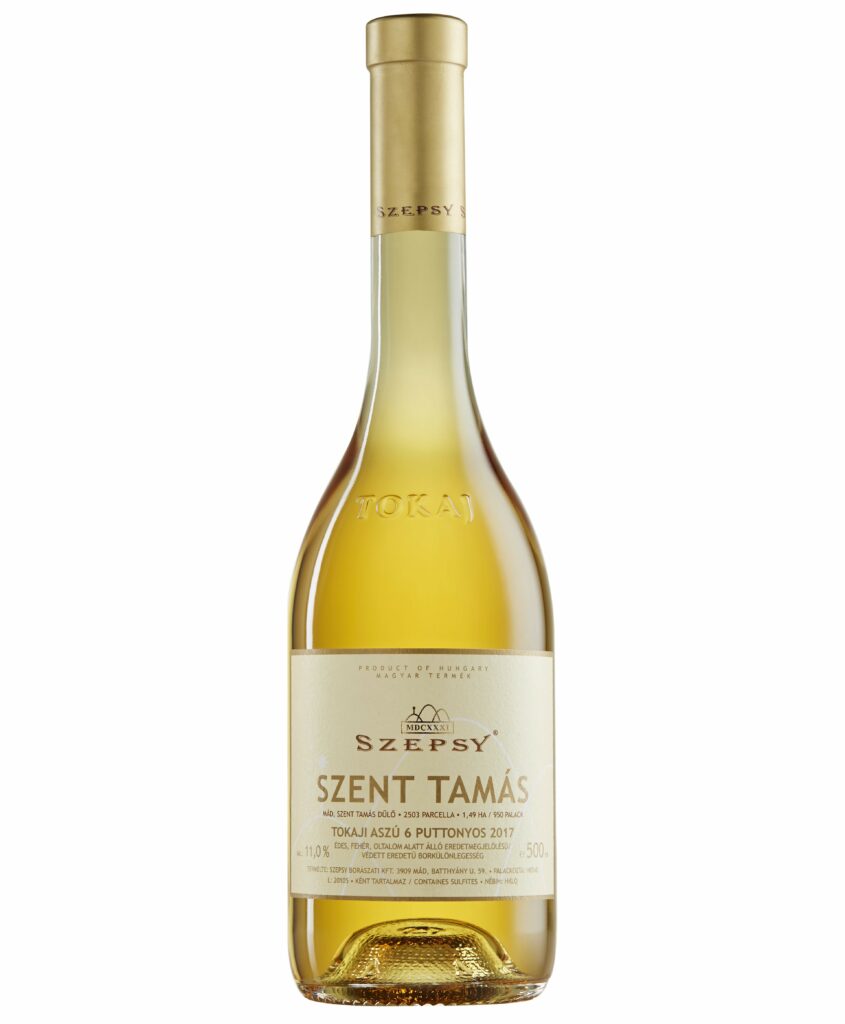
The first-ever single-vineyard 6 Puttonyos Aszú from Szepsy, this Szent Tamás bottling is a landmark Tokaji made in tiny quantities. In the glass, it shimmers deep gold; the nose is hedonistic, with honeysuckle, white flowers, ripe peaches, pineapple and tropical fruit layered with burnt honey, honeycomb and spice. The palate is full, rich and mouth-coating but never cloying, the classic Aszú viscosity cut by vibrant acidity. The mid-palate is slightly more restrained than some of the estate’s other 6 Puttonyos wines, giving poise rather than sheer weight, and the long finish runs spicy and citrus-tinged with lingering exotic fruit. A very rare sweet-wine icon that will age for decades. Around €1,050–€1,280 per 50cl
Riesling: Egon Müller Scharzhofberger Riesling Auslese Goldkapsel 2025; Mosel-Saar, Germany
From one of the world’s greatest white-wine estates, this is sweet riesling at its apogee. On the nose, it is tropical yet finely etched, with fully ripe and overripe stone fruits and exotic notes alongside wet slate, a touch of smoke and delicate botrytis spice. The palate is rich, luscious and creamy but almost light-footed, the high acidity cutting through the sweetness and giving the wine real energy. Each sip reveals new layers: full, overripe stone fruit, tropical fruit, fresh caramel, slate and a hint of mint, with saffron-like spice. Egon Müller makes no attempt to avoid noble rot; grapes “kissed by botrytis” are embraced for the extra dimension of bouquet, flavour and concentration they bring, creating Auslesen that are more open and immediately seductive than the domaine’s Kabinett and many Spätlesen, yet always balanced by vibrant acidity. Around €1,050–€1,400 per 75cl
Garnacha: Comando G Rumbo Al Norte 2017; Castilla Y León, Spain
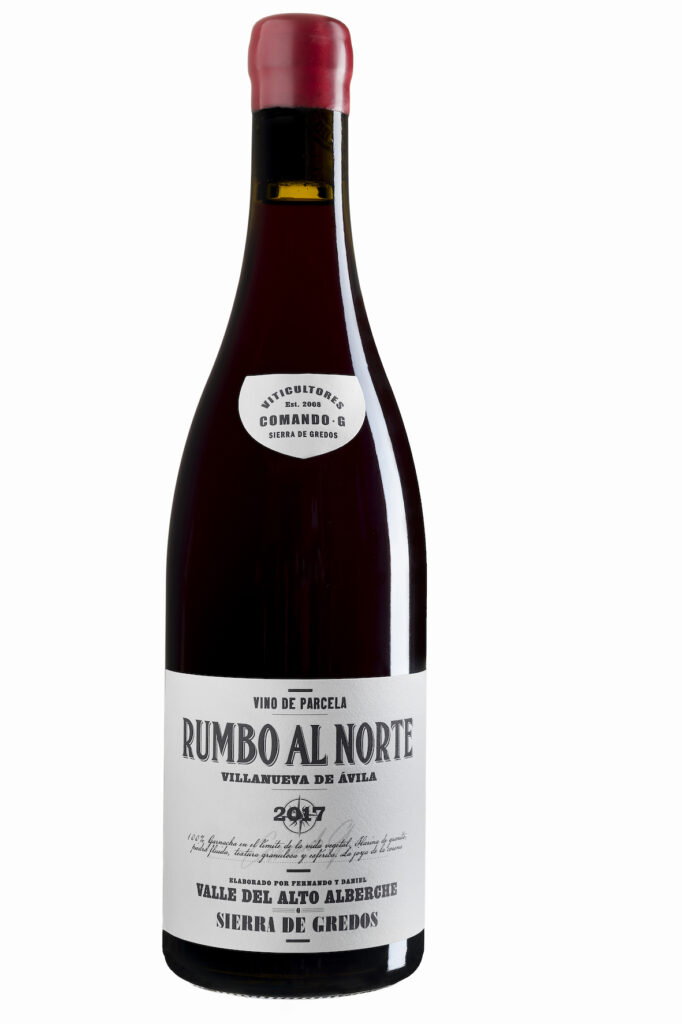
From a tiny 0.3-hectare, north-facing plot at 1,150 m, on granite, sand and silt in the high Sierra de Gredos, Rumbo al Norte is Comando G’s most coveted cuvée and garnacha at the very limit of viticulture. The 70-year-old vines are farmed biodynamically; 2017 brought frost, heat, drought and hail, but what survived was whole-bunch fermented with indigenous yeasts and macerated for 59 days before 14 months in an old French foudre, yielding just 1,656 bottles. Pale in colour but intensely aromatic, it offers wild strawberry, red cherry, blood orange, rose and dried herbs over a pure, granitic spine. The palate is weightless yet intense, with ultra-fine tannins, bright acidity and a long, saline, ‘liquid granite’ finish of remarkable elegance. Around €640–€820 per bottle
Bordeaux: Château Lafite Rothschild 2005; Bordeaux, France
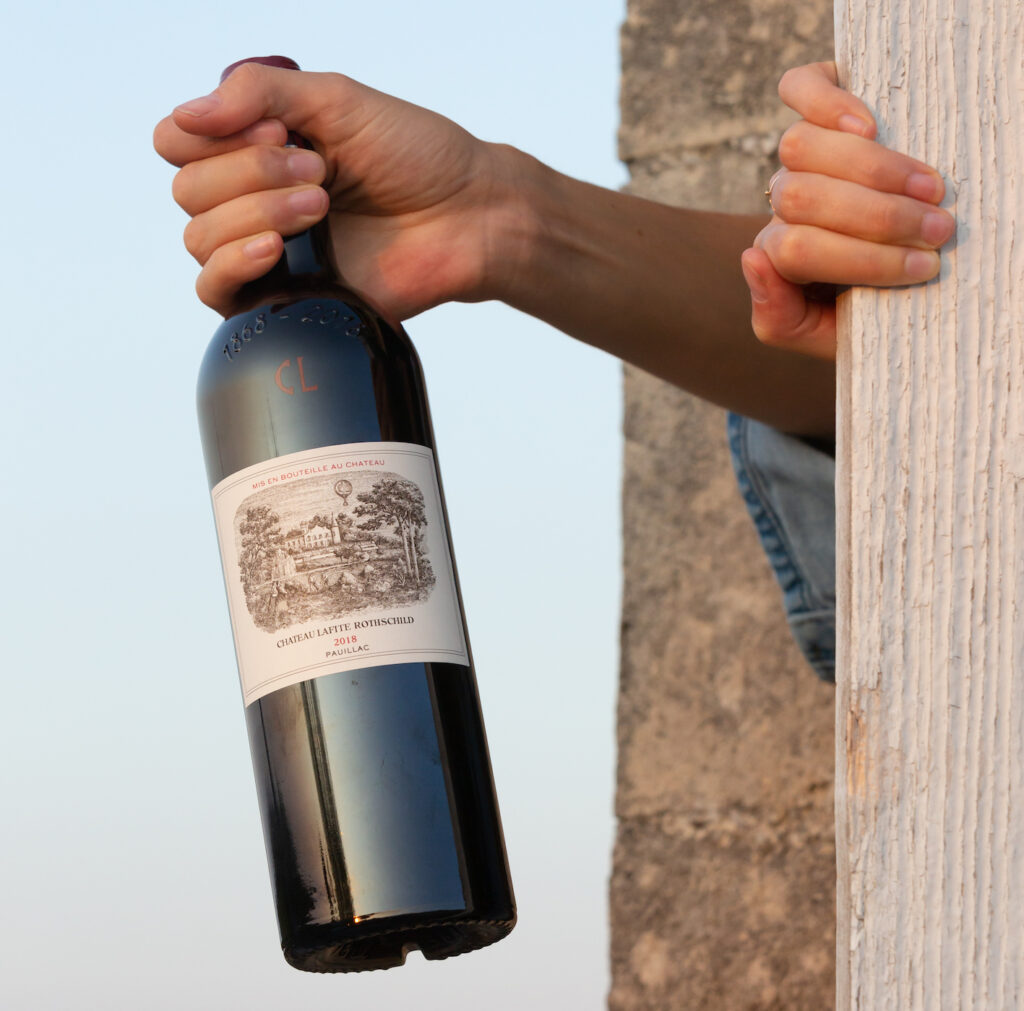
In 2005, Pauillac delivered one of those vintages that felt destined for the history books. The colour of this grand vin remains deep and reassuringly youthful, with only the faintest hint of evolution at the rim. The nose is pure Pauillac aristocracy: blackcurrant and redcurrant threaded with pencil shavings, cedar and cigar wrapper, then dried thyme, tapenade and a cool, stony graphite note as it opens. On the palate, the attack is precise and unforced, gliding into a long, proportioned mid‑palate where ripe cabernet fruit, fine‑grained tannins and bright, mouth‑watering acidity all pull in the same direction. Two decades on, 2005 Lafite is moving from promise to fulfilment—no longer closed, not yet fully mature, and with a very long life ahead. Around €1,500–€1,750 per bottle
Grand Cru: Salon Le Mesnil Blanc De Blancs 2013; Champagne, France
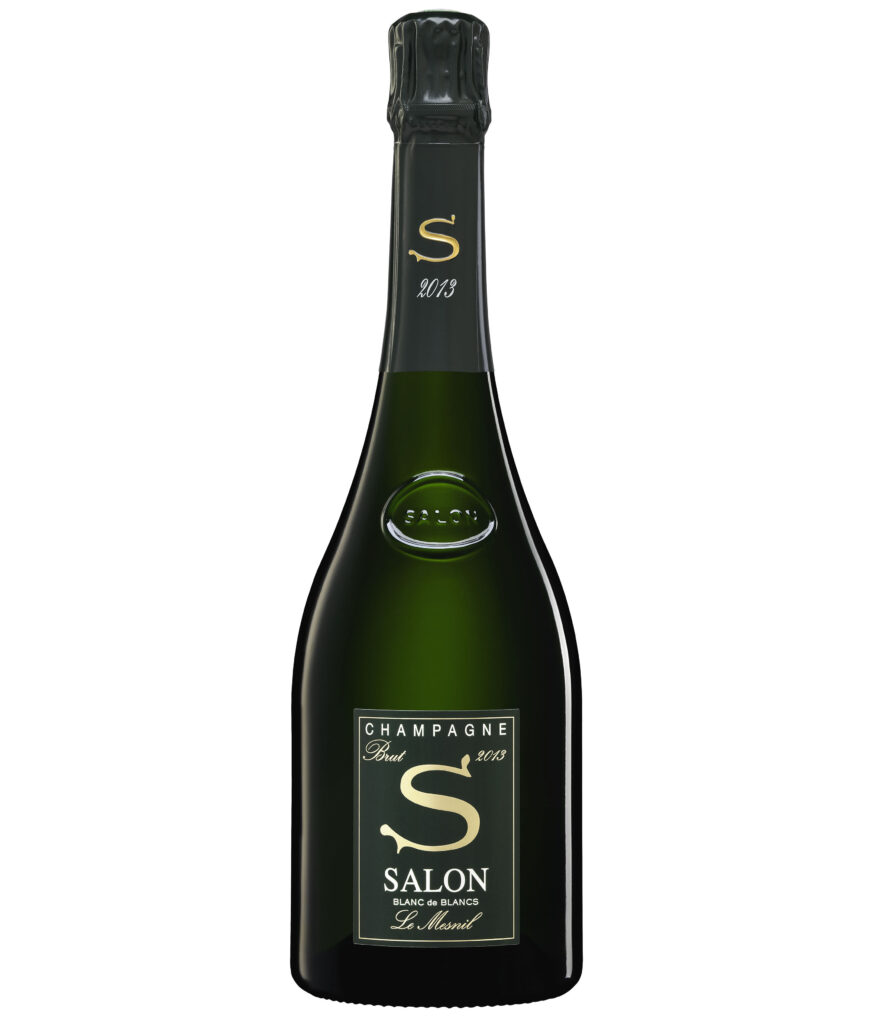
Salon, produced only in great years from a single grand cru—Le Mesnil‑sur‑Oger—and 100 percent chardonnay, has released just 44 vintages in its history; 2013 is a cool, late‑ripening year saved by a radiant September that delivered pristine, high‑acid fruit. Pale and crystalline in the glass, with a fine, persistent bead, it opens with lemon zest, green apple and white flowers over chalk, oyster shell and a hint of brioche and hazelnut as it warms. The palate is chiselled and linear, the mousse super‑fine, with pure citrus and orchard fruit wrapped around a searing, saline mineral core; the finish is long, bone‑dry and mouth‑watering. A Salon built for patience, with decades of evolution ahead. Around €1,160–€1,400 per bottle
New-World Shiraz: Penfolds Grange Bin 95 2021; South Australia
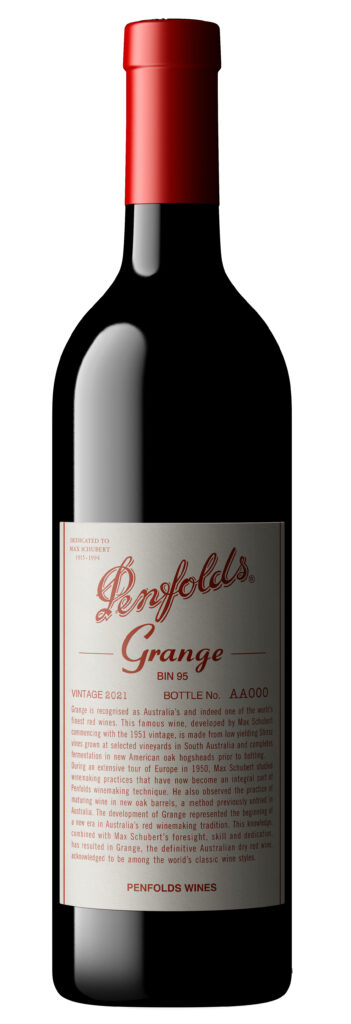
With an unbroken line of vintages since 1951, Grange remains the archetypal Australian fine wine and a Golden Vines® All‑Star Winner in the Rest of the World category. The 2021 is 94 percent shiraz and 6 percent cabernet sauvignon from Barossa, McLaren Vale and Clare Valley, matured 18 months in 100 percent new American oak hogsheads. The nose is classic Grange: dark fruit wrapped in chocolate, roasted meat and savoury, umami bass notes, with blackberry, cocoa and sweet spice coming to the fore after a long decant. On the palate, it is broad‑shouldered but silk‑textured, a pool of ripe, dark plum and blackberry framed by sleek tannins and toasty oak. The finish is very long, and even after four hours in a decanter it delivers the kind of hedonistic pleasure that explains why people still chase Grange. Around €520–€640 per bottle